Levante Osasuna: tense LaLiga Jornada 35 clash at Ciutat de València
Levante Osasuna preview and analysis for the LaLiga Jornada 35 match on May 8, 2026, covering tactics, key moments, and the wider implications for both clubs.


Match context at Ciutat de València
The Levante Osasuna meeting took place on May 8, 2026, with kickoff scheduled for 21:00 CEST at the Ciutat de València. The fixture arrived late in the LaLiga calendar and carried significance for both sides as the season approached its final rounds.
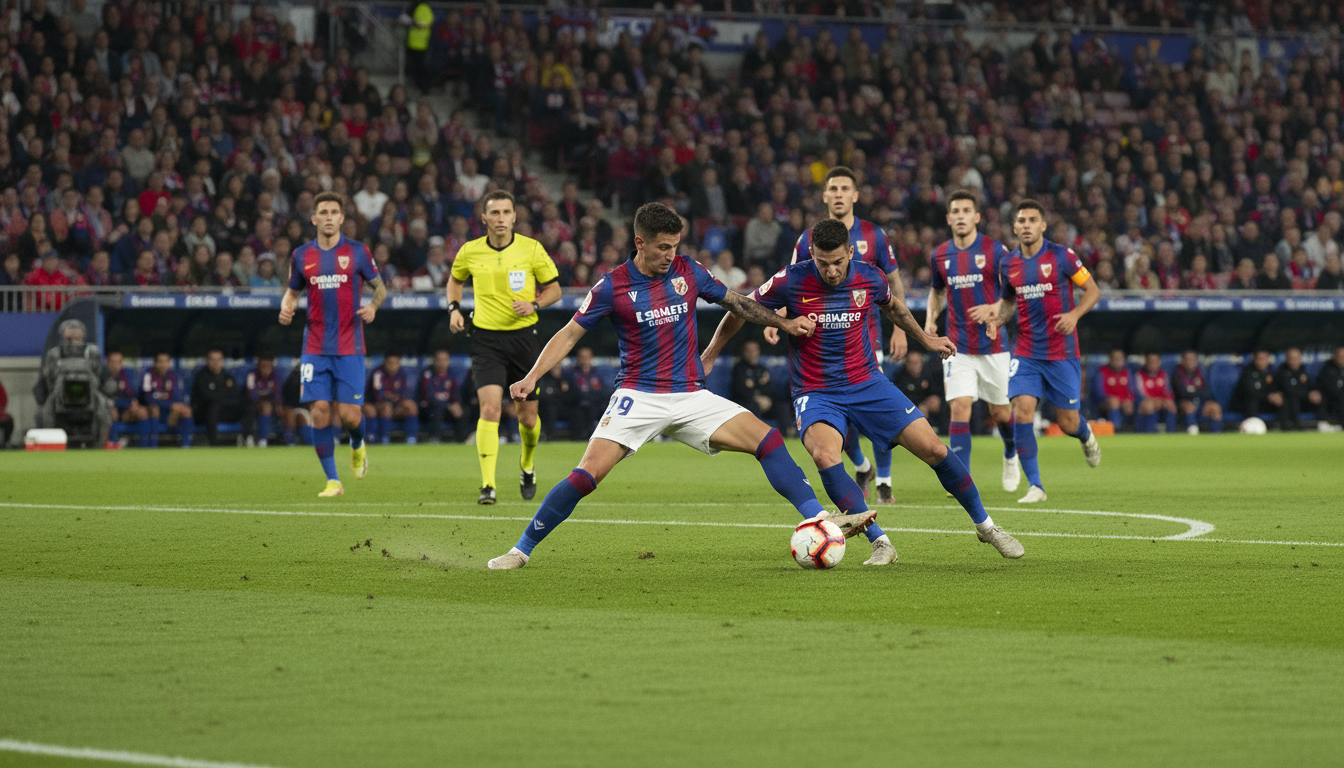
Supporters packed the stadium under cool spring skies, and the match was covered live with an update posted at 21:44 CEST on May 8, 2026. The accompanying photograph credited to Villar Lopez / EFE captured the evening atmosphere ahead of the game’s decisive phases.
Pre-match form and stakes
Coming into Jornada 35, both clubs were navigating different domestic priorities, with form and fitness shaping selection decisions. Levante approached the game eager to consolidate momentum from recent results, while Osasuna aimed to maintain consistency as the campaign entered its closing stretch.
Injuries and rotation played a role in the build-up, prompting managers to weigh short-term gains against longer-term squad management. The outcome would influence preparations for the final fixtures and could affect position battles across the table.
Tactical setups and personnel decisions
Tactically, the Levante Osasuna matchup presented a study in contrasting approaches, with the home side likely to favor a compact defensive shape combined with rapid transitions. Osasuna traditionally set up to control midfield spaces and exploit width, forcing opponents to adapt to a patient, possession-oriented plan.
Key personnel choices revolved around central midfield balance and the deployment of wide players able to stretch the game. Both coaching teams had to consider pressing triggers, the management of set-piece threats, and how to neutralize creative outlets without exposing their back lines.
First-half patterns and notable sequences
The opening 45 minutes saw both teams probing for weaknesses and testing defensive organization through a mix of structured buildup and direct entries into the final third. Levante attempted to use the flanks to create overloads, while Osasuna sought to dominate possession and create chances through patient circulation.
Several transitional moments defined the first half as attackers from each side forced nervous defensive adjustments. The refereeing team managed a busy spell of physical challenges and set-piece opportunities, and the crowd responded to the ebb and flow with vocal support that shaped the tone of the encounter.
Second-half adjustments and momentum shifts
At the break, both sides made tactical tweaks to tip the balance, altering pressing intensity and introducing personnel to inject pace or secure stability. The second half developed a different rhythm as managers chased an advantage and the match opened up, creating more pronounced attacking sequences.
Substitutions influenced the contest, with fresh legs altering match-ups and enabling alternative approaches in the wide areas and midfield corridors. As the clock wound down, the game entered decisive phases where control of second balls and set-piece discipline proved critical to each team’s prospects.
Substitutions, refereeing and match control
Throughout the contest, management of substitutions and the handling of marginal calls by the officiating crew were recurring themes. Both teams used changes to either consolidate a hold on the match or to chase opportunities, highlighting the strategic role of the bench late in the season.
VAR and on-field decisions factored into several pivotal moments, with stoppages affecting momentum and requiring players to maintain concentration amid frequent resets. Match control in the final stages came down to composure under pressure and the ability to execute basic defensive actions in high-intensity situations.
Implications for the remainder of the season
The Levante Osasuna fixture had implications beyond the single matchday, shaping confidence levels and tactical templates for upcoming fixtures. Points secured or dropped in Jornada 35 influenced both clubs’ approach to squad rotation and preparation for the season’s final matches.
Managers will use lessons from the encounter—whether about defensive vulnerabilities, attacking efficiency, or set-piece execution—to refine training priorities. The result also contributed to the narrative of the closing weeks of LaLiga, where individual matches carry amplified consequences for positioning and morale.
Fan reaction and stadium atmosphere
Fan engagement remained an important subplot, with supporters playing an active role in the stadium environment throughout the evening. Levante fans responded vocally to both promising attacks and defensive stands, while visiting Osasuna followers amplified the away presence with organized support.
The atmosphere underscored the emotional stakes attached to late-season fixtures, as supporters pressed their teams to produce defining moments. Post-match, the interplay between fan sentiment and on-field performance will shape the weeks ahead for both sets of followers.
Photograph and live coverage note
Coverage of the Levante Osasuna match included a live dispatch and imagery from the Ciutat de València, with a key photograph by Villar Lopez / EFE documenting action and atmosphere. The report was updated on 08/05/2026 at 21:44 CEST to reflect developments from the evening.
Live updates throughout the match provided a running account of key phases and strategic shifts, and the visual record complemented the written overview of the fixture’s tactical and emotional contours.
The evening at Ciutat de València offered a compact, competitive LaLiga encounter that highlighted tactical nuance, bench influence and the high stakes of late-season fixtures.