Lennart Karl ruled out of World Cup after muscle injury, vows to ‘come back stronger’
Bayern youngster Lennart Karl ruled out of Germany World Cup after a torn muscle; he posted on Instagram promising recovery and full support for the DFB team.
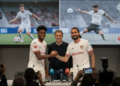
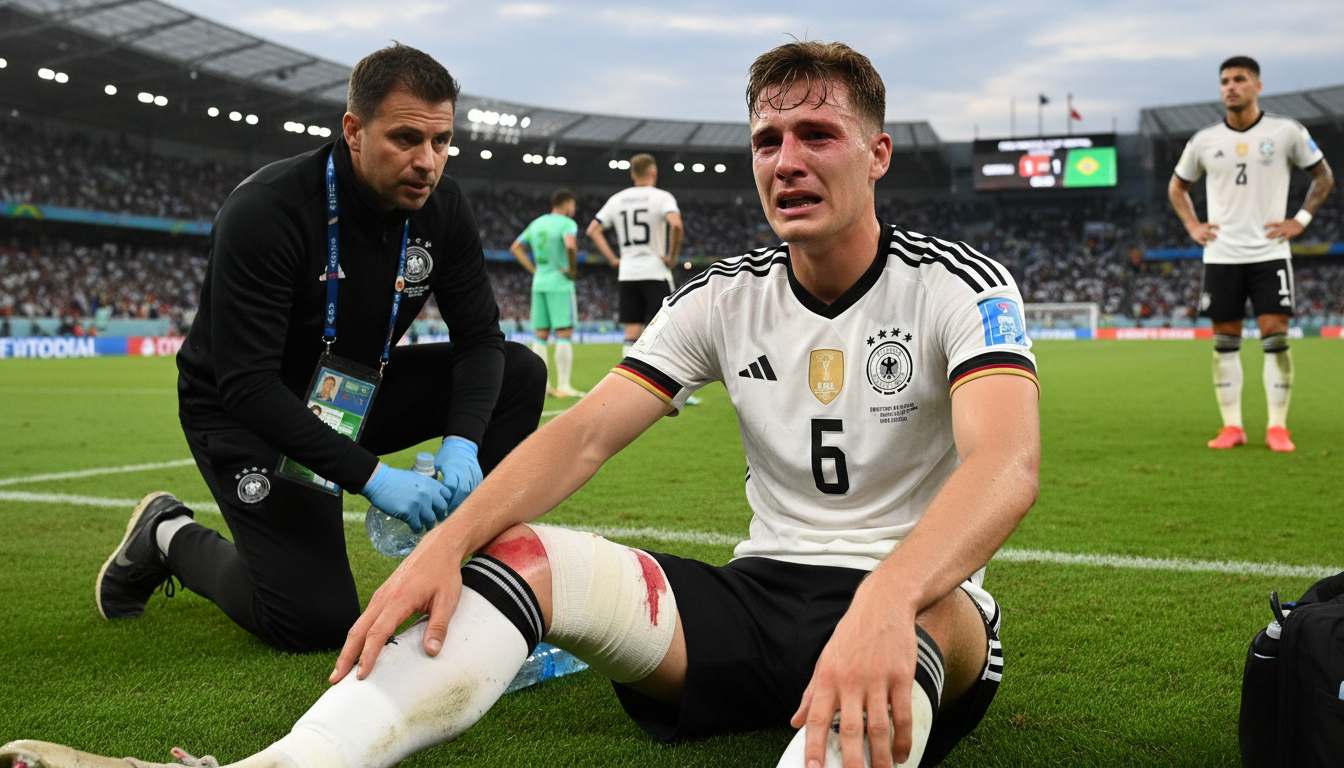
Lennart Karl injury sidelines Bayern and Germany talent from World Cup action after scans identified a torn muscle that will prevent him from joining the squad in North America and Mexico. The 18-year-old posted a heartfelt message on Instagram, saying he had done everything to be fit but would now return to Munich for treatment and rehabilitation. Karl vowed to "come back stronger" and thanked supporters for messages while pledging to follow and support the German squad throughout the tournament.
Torn muscle ends World Cup hopes for 18-year-old
Medical staff confirmed that the injury sustained ahead of Germany’s World Cup campaign is serious enough to rule Karl out of the tournament, removing a highly anticipated young option from Julian Nagelsmann’s wider plans. The decision follows scans and assessments carried out by the national team’s medical team while the squad prepared for the opening matches. Karl’s absence will be felt both for his technical profile and the potential long-term experience he might have gained from participating in a major finals tournament.
The diagnosis prompted immediate action: Karl is expected to fly back to Munich to continue treatment under Bayern Munich’s medical department, with the club to coordinate rehabilitation with the German federation. Officials have confirmed that the priority is the player’s long-term fitness rather than a rushed return, and both club and country medical teams will manage the next steps. The early timing of the injury allowed staff to make a clear call before the tournament squad finalized its matchday plans.
Player’s message: gratitude and resolve
In a brief but emotional Instagram post, Karl acknowledged the pain of missing "the biggest tournament of all" and expressed how hard he had worked to be available for selection. He thanked fans and teammates for their messages and support and promised to return "stronger" while pledging to follow and support the German national team every minute of the World Cup. That combination of disappointment and determination framed his message as one focused on recovery and solidarity rather than self-pity.
Social media and fan reaction were immediate, with messages of encouragement coming from supporters, former coaches, and fellow professionals. The tone of Karl’s statement emphasized maturity beyond his years, referencing the cruel timing of injuries in elite sport while committing to a rehabilitation plan. Club and federation sources stressed that the player’s mental welfare would be part of the recovery process alongside the physical treatment.
Bayern Munich to oversee rehabilitation in Munich
Bayern Munich will assume primary responsibility for Karl’s recovery program once he returns to the club’s facilities, drawing on their sports science and medical infrastructure. The club has experience managing young talents through injury setbacks and will likely design an individualized plan that balances tissue healing, strength work, and a gradual return to full training. Bayern’s approach, in similar past cases, typically integrates physiotherapists, conditioning coaches, and sports psychologists to ensure a holistic recovery.
Officials indicated that the timing of the injury and the player’s age are factors in shaping a cautious timetable. Bayern’s medical staff are expected to provide regular updates to both the player and the German federation, aligning the rehabilitation milestones with longer-term development objectives. The club will also monitor workload closely when Karl begins team sessions, ensuring he does not return to competitive action until fully ready.
Germany’s squad planning and possible replacements
Karl’s withdrawal forces Germany’s coaching staff to adjust plans and consider alternatives to fill the role he might have occupied in training or as a tactical option. While Karl was not guaranteed a starting spot, his presence in the squad represented a developmental investment and a potential asset for matchday rotation. The federation will now weigh whether to call an additional player into the 26-man group or to proceed with the existing pool, keeping in mind registration deadlines and the manager’s tactical needs.
National team sources said staff are focused on immediate preparations and maintaining squad cohesion ahead of the World Cup opener. The team’s depth across positions offers several pathways to cover the gap left by Karl, but the coaching staff must balance short-term match requirements with long-term talent cultivation. Players already in the squad may see their roles evolve as a result of the change, and younger prospects outside the tournament will watch closely for future opportunities.
Medical outlook: recovery timeline and expectations
Muscle tears vary widely in severity, and the precise recovery timetable depends on the grade and location of the injury, as well as individual healing responses and rehabilitation quality. Medical teams typically set recovery expectations in ranges, cautioning that complications or reinjury risk increase if return-to-play is rushed. For a young athlete like Karl, the immediate objective is a full and durable recovery that preserves career trajectory rather than a hasty comeback that could jeopardize long-term fitness.
Bayern and national medical staff will communicate regular progress assessments, which should provide clearer projected return dates once rehabilitation milestones are met. Strength restoration, neuromuscular control, and progressive reintroduction to high-intensity football are standard phases of the program. The club’s sports science resources and access to elite rehabilitation specialists are likely to optimize his chances of a timely and complete recovery.
Implications for Karl’s development and Bayern pathway
Missing a World Cup represents a short-term setback in a promising trajectory for an 18-year-old already involved with Bayern and the German youth set-up, but it does not define a career. The way he manages recovery, maintains conditioning, and returns to competitive minutes will influence his next steps at club level and his timeline for future international opportunities. Bayern’s track record of integrating and nurturing young talent gives Karl a supportive environment to rebuild momentum.
Psychological resilience will be as important as physical rehabilitation in the months ahead, with the club’s player development staff expected to work closely on confidence and match-readiness. Karl’s public declaration to "come back stronger" sets a tone of ambition and determination that Bayern and national team observers will watch. If he follows a structured plan and avoids setbacks, the experience could become a formative chapter in a long-term career rather than a defining obstacle.
Karl’s immediate focus will be on treatment, rehabilitation, and gradual reintegration under Bayern’s supervision, with the wider football community wishing the young attacker a swift and complete recovery.