Bayer Leverkusen Linked With Kostas Mavropanos for Right-Side Defensive Reinforcement
Bayer Leverkusen have been linked with Kostas Mavropanos as they seek right-sided defensive reinforcement, with Bild naming him alongside Sergiño Dest in 2026


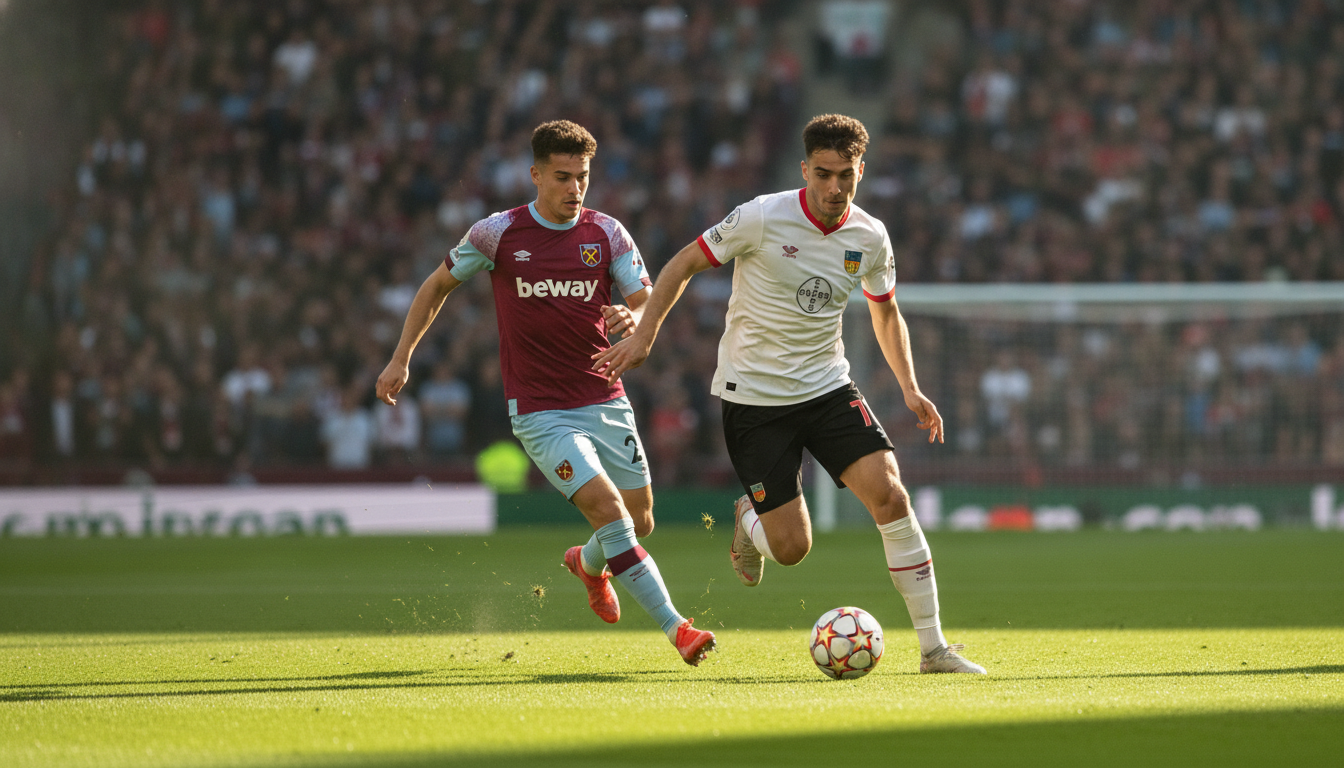
Kostas Mavropanos has emerged as a reported target for Bayer Leverkusen as the Bundesliga club considers options to strengthen the right side of its defence. Bild has named the West Ham United centre-back as one of several possibilities as Leverkusen look to add depth and versatility to their backline. The move would signal the club’s intent to address defensive balance ahead of the new season.
Leverkusen’s reported interest and the sources
Bild reports that Bayer Leverkusen have identified Mavropanos as a candidate to reinforce the right side of defence. The German outlet places him alongside other names, underlining the club’s search for players who can cover multiple defensive roles. Leverkusen’s transfer planning has increasingly prioritized versatile options as they prepare for domestic and European commitments.
The reported interest comes amid a wider summer recruitment drive, according to the same reporting, as Die Werkself weigh up alternatives that would provide both defensive solidity and the ability to operate wide when required. Club officials have not publicly confirmed negotiations, and Bild’s report frames Mavropanos as one option among a shortlist.
Player profile: versatility and defensive strengths
Kostas Mavropanos is primarily a centre-back by trade but is capable of operating on the right side of a defensive unit when asked. His build and aerial ability make him a traditional central defender, while his adaptability has allowed managers to deploy him as a right-sided centre or in a back three on occasion. That versatility is likely to attract clubs seeking multipurpose defenders rather than purely specialist full-backs.
Mavropanos’s career has included spells where defensive discipline and positional awareness were stressed, and those attributes would be useful in a Leverkusen side that frequently shifts shape in transition. He offers a blend of physical presence and tactical understanding that can be tailored to different systems, though he is not a natural attacking wing-back.
How he would fit Bayer Leverkusen’s needs
Leverkusen have identified the right flank as an area requiring reinforcement, particularly in roles that demand both defensive coverage and the ability to support wide attacks. A player like Mavropanos could provide a more conservative option on the right if the club prefers balance over an offensively focused full-back. That would allow Leverkusen to retain attacking width from midfield while ensuring defensive stability against counterattacks.
The club’s tactical setup under recent managers has often required defenders to readjust quickly between high pressing and deeper defensive blocks, and Mavropanos’s experience in different formations could make him a pragmatic fit. His arrival would likely be considered alongside other targets who bring pace or technical width, depending on the final tactical brief handed to the incoming arrivals.
Alternatives named and their contrasting profiles
Bild also mentions Sergiño Dest of PSV as another target, a player with markedly different qualities to Mavropanos. Dest is a natural right-back known for his pace, overlapping runs and attacking instincts, which contrasts with the more central and defensively orientated profile of Mavropanos. Leverkusen’s consideration of both players indicates they are weighing stylistic choices as much as positional needs.
The presence of both names on a shortlist suggests the club is undecided between recruiting a natural full-back who can offer direct attacking outlets and a versatile centre-back who adds depth and defensive resilience. That strategic choice will shape how the right side of Leverkusen’s defence performs next season, particularly in games where they must manage possession against technically strong opponents.
Context from last season and coaching changes
Last season, Bayer Leverkusen often used Montrell Culbreath on the right side of defence, deploying him frequently as a wing-back under Kasper Hjulmand. Hjulmand’s approach featured offensive width from wide defenders, and Culbreath’s role reflected that emphasis. Since Hjulmand’s departure and the appointment of Carles Martínez, the club’s tactical approach could shift, prompting a reassessment of personnel priorities.
A change in coaching staff tends to prompt fresh recruitment priorities, with new managers specifying profile types and attributes for targeted positions. Martinez’s plans will be central to whether Leverkusen pursue an attacking full-back like Dest or a defensively minded and flexible option like Mavropanos, and any transfer activity will be interpreted through the lens of his envisioned system.
Transfer mechanics, timing and market considerations
Any move for Mavropanos would depend on West Ham United’s willingness to sell and the player’s contract status, with negotiating positions likely to influence the transfer fee. Leverkusen traditionally operates with a clear budget and scouting rationale, and they typically balance immediate needs with long-term squad planning. The club are likely to pursue several options in parallel to ensure they secure the right fit within available financial parameters.
Timing will be important: early summer decisions allow new signings to integrate during pre-season, while late moves can be reactive and risk short preparation time. Leverkusen will also consider domestic competition for signings and potential European commitments when deciding how quickly to act and whether to prioritise established names or emerging talents.
Sporting implications and what Mavropanos would bring
If signed, Kostas Mavropanos would bring defensive flexibility and an ability to operate centrally while covering the right-hand side when needed. His presence would deepen Leverkusen’s defensive options, offering a more conservative balance to wide midfielders or attacking full-backs. That could be particularly useful in matches where the team expects to cede possession or face quick counterattacks.
From a squad-management perspective, adding a player of Mavropanos’s profile would reduce reliance on a single specialist at right-back and provide cover for injuries or rotation across a congested schedule. The club’s coaching staff would need to work on integrating his positional tendencies into the wider defensive scheme to maximise his strengths without disrupting attacking rhythms.
Kostas Mavropanos remains a reported target rather than a confirmed signing, and any move will be subject to negotiation between clubs and the player’s preferences. Observers will watch Leverkusen’s summer transfer activity closely to see whether they prioritise defensive solidity or offensive width on the right flank. For Mavropanos, a switch to the Bundesliga would represent an opportunity to establish himself in a system that values tactical versatility and high-intensity performance.