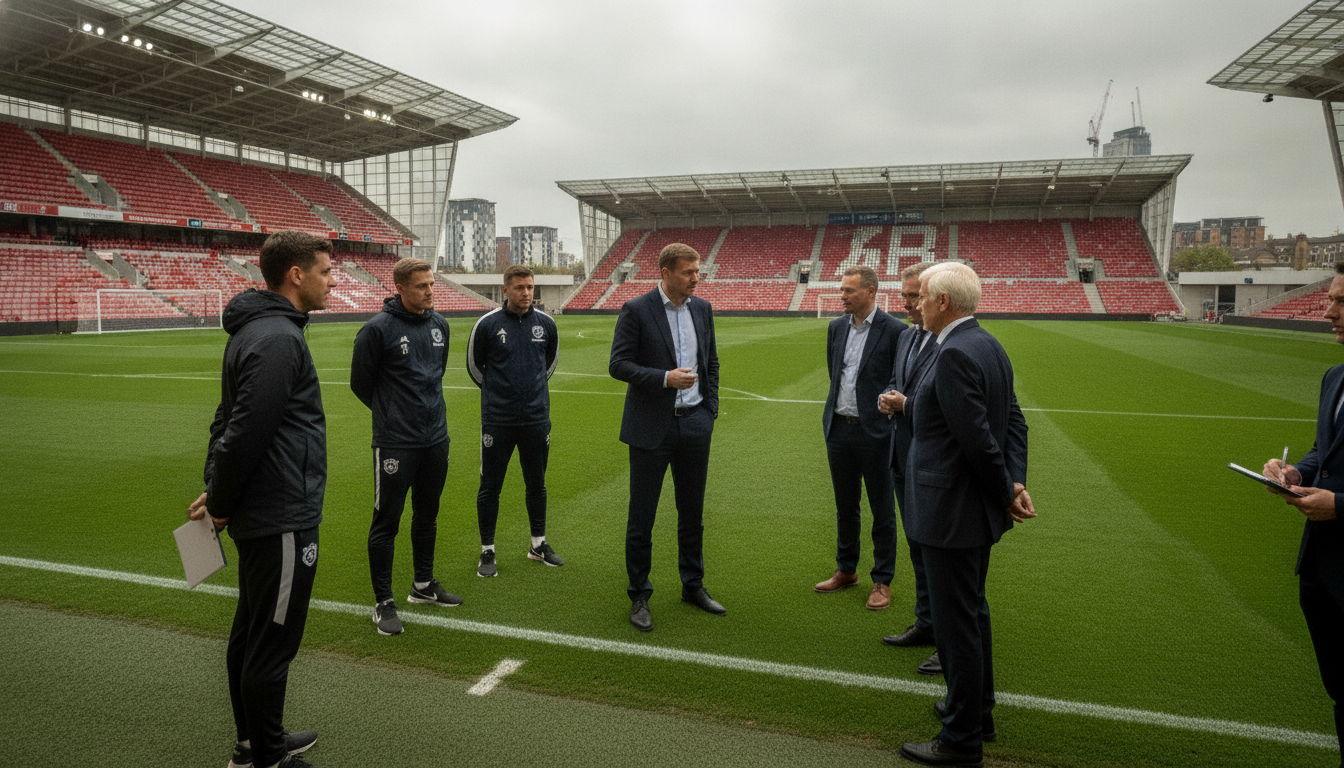
Brentford in talks to host Shakhtar Donetsk Champions League home matches at Gtech Community Stadium
Brentford in talks to host Shakhtar Donetsk’s Champions League home matches at the Gtech Community Stadium for 2026-27, pending UEFA and local approvals.


Brentford are in advanced discussions with Shakhtar Donetsk about staging the Ukrainian club’s home fixtures in the 2026–27 UEFA Champions League at the Gtech Community Stadium, sources close to the talks say. Shakhtar Donetsk will enter the competition directly at the group stage and is exploring temporary bases for its European campaign owing to the ongoing conflict in Ukraine. Both clubs are weighing logistical, regulatory and security factors as they seek agreement before UEFA’s calendar is finalised. If confirmed, the arrangement would see Shakhtar play their continental "home" ties in west London while retaining their identity and administrative base in Ukraine.
Details of the stadium discussions
Brentford and Shakhtar have been engaged in conversations about using the Gtech Community Stadium as the Ukrainian club’s Champions League venue, with talks understood to involve club executives and stadium operators. The discussions reportedly cover matchday operations, ticket allocations, revenue-sharing mechanisms and the practicalities of hosting high-profile European fixtures at a Premier League ground. Brentford have a record of renting their stadium for international friendlies and tournaments, which gives them a template for managing external fixtures while protecting their own matchday schedule. Any final decision will hinge not only on agreement between the clubs but also on clearance from local authorities and UEFA’s stadium approval process.
How Shakhtar qualified for the 2026–27 Champions League group stage
Shakhtar Donetsk’s pathway into the 2026–27 Champions League group phase was adjusted following the domestic and continental outcomes across European leagues. Initially set to enter the competition at an earlier qualifying round, the club moved directly into the league stage after the Champions League winner also qualified through domestic league success, creating an extra berth in the group phase. That shift reduced the number of qualifying ties Shakhtar would need to navigate and elevated the importance of securing a compliant venue for the entire group schedule. The club now faces the dual challenge of preparing a squad for Europe’s top club competition while arranging an appropriate and approved home stadium outside Ukraine.
Where Shakhtar have played European ‘home’ matches since 2022
Since the escalation of hostilities in 2022, Shakhtar have been prevented from staging competitive European fixtures at their traditional Donetsk stadium and have used a succession of temporary locations. In recent seasons the club split home matches across cities such as Ljubljana and Krakow, selecting venues that met UEFA requirements and could guarantee safety and operational capacity. Those arrangements have required intensive planning on travel logistics, fan access and matchday security, with the club often accommodating displaced supporters and diaspora communities. The move to west London would represent a further step in that pattern, offering proximity to a large Ukrainian community and established transport links for travelling supporters.
UEFA regulations and local approval hurdles
The Gtech Community Stadium meets UEFA’s technical requirements for hosting Champions League fixtures, including pitch standards, seating capacity thresholds and media facilities, according to club sources familiar with stadium compliance. However, UEFA approval is conditional on a full application that covers crowd control, stewarding, broadcast infrastructure and emergency planning. Local permissions from the borough and policing authorities in west London would also be necessary, and those entities typically assess the impact on local transport, public safety and city services. Brentford and Shakhtar must present contingency plans and agree on policing costs and responsibilities before any fixture list is finalised by UEFA.
Financial and logistical implications for Brentford
Hosting Champions League fixtures for an external club would represent a significant revenue opportunity for Brentford through stadium hire fees, enhanced hospitality sales and associated commercial activity. The club has previously marketed its ground for international friendlies and tournaments to bolster non-matchday income, and a Champions League partnership would be a major commercial boost. But there are also costs and operational complexities: additional staffing, security provision, pitch maintenance and scheduling to avoid clashes with Brentford’s own fixtures must be negotiated. Both clubs will need to agree contractual terms that protect Brentford’s matchday integrity while enabling Shakhtar to stage high-profile European matches in a compliant setting.
Fan considerations, travel and scheduling impact
For supporters, the proposal raises immediate questions about ticket availability, pricing and access for both Brentford and Shakhtar fans. Brentford’s season ticket holders and local supporters would expect clarity on whether home match allocations would change, while Shakhtar’s travelling fans and the Ukrainian diaspora in the UK would seek assurances about how tickets are distributed. Transport capacity around the Gtech Community Stadium and potential fixture sequencing — particularly if Brentford remain in domestic and potentially European competitions themselves — will also affect scheduling. Coordination with local transport authorities and advance communication with supporter groups will be essential to minimise disruption and ensure safety on matchdays.
Staging Champions League matches at a Premier League ground also carries reputational and symbolic weight, demonstrating cross-border solidarity and the practical realities of hosting refugee clubs away from home soil. The arrangement could offer Shakhtar a stable platform to compete on Europe’s biggest stage, while providing Brentford with a notable commercial and community project.
If an agreement is reached it will still need to clear UEFA’s final stadium assessment and secure local authorisations before fixtures are confirmed in the competition calendar. Both clubs have said discussions are ongoing and that a formal announcement will follow any finalized plan.
The unfolding talks highlight the complex intersection of sport, geopolitics and logistics when clubs are forced to play away from their homeland, and they underline the practical challenges of ensuring European competitions proceed under UEFA’s regulatory framework.