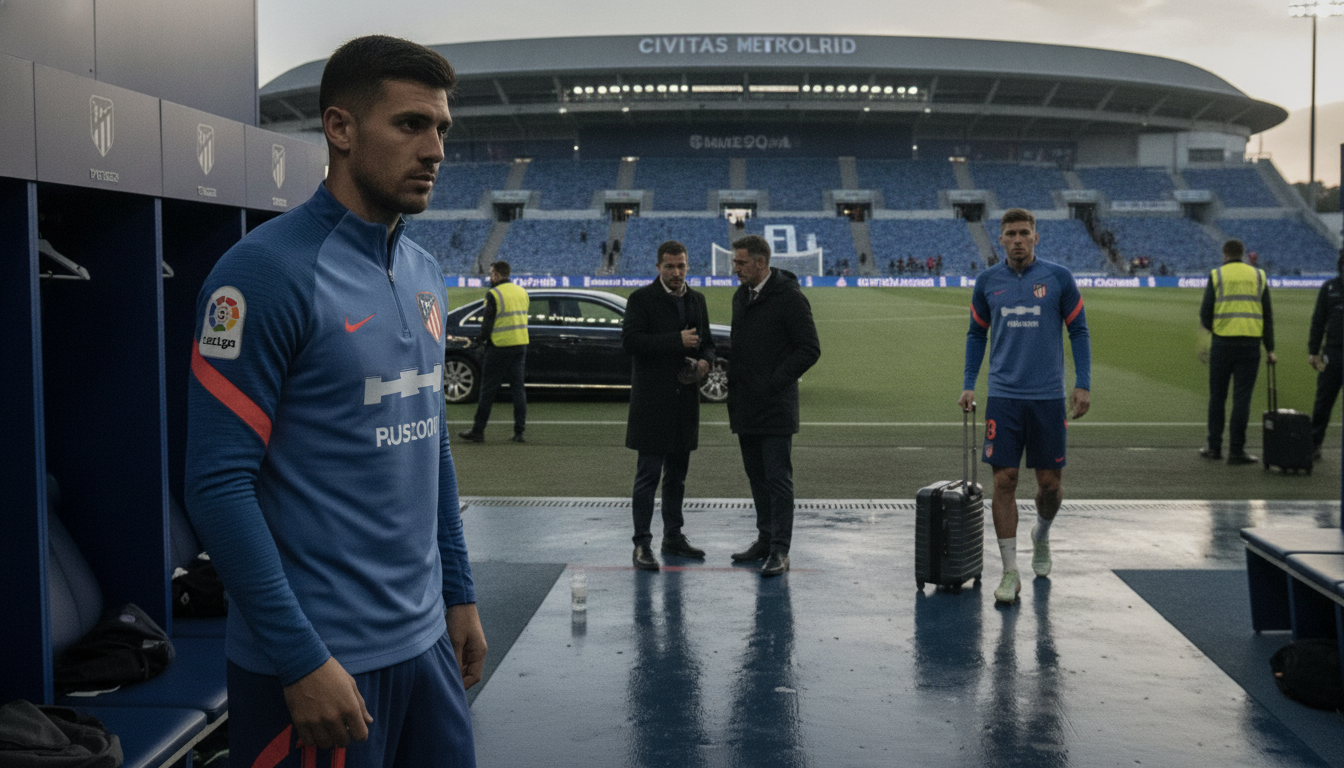
Atlético Madrid transfer exits threaten to reshape club’s summer window
Atlético Madrid transfer exits: Giménez, Lenglet, Sørloth and Almada could depart this summer, shaping Mateu Alemany’s budget and the club’s transfer strategy.


Atlético Madrid enters the summer with a cluster of uncertain departures that could determine how active the club is before the transfer deadline. The fate of José Giménez, Clément Lenglet, Alexander Sørloth and Thiago Almada sits at the centre of planning and will influence how much sporting director Mateu Alemany can spend beyond two confirmed arrivals. The sequence and timing of these potential Atlético Madrid transfer exits will be decisive for the squad’s balance and the club’s ability to rebuild.
Atlético’s summer plan hinges on incoming funds
Atlético Madrid’s recruitment blueprint for the coming months is contingent on the revenue it can generate from outgoing players. With two signings already completed, the club needs further receipts to pursue additional targets and cover reinforcements across defence and attack. Sporting directors often work to sequence sales before major purchases, and Atlético face that common constraint amid a high turnover scenario.
The club has limited flexibility if the larger sales fail to materialise, which would force a reassessment of priorities and potentially delay reinforcements. That makes the negotiation outcomes for several first-team members more than routine departures; they become the financial levers that unlock the remainder of the transfer strategy. How Alemany manages valuations, bidding windows and player willingness to move will shape whether Atlético execute planned upgrades or adopt a more conservative summer.
Giménez’s tenure and recurring injuries put exit on table
José Giménez remains a senior figure in the dressing room, yet his on-field availability has declined due to persistent injury problems. The centre-back’s long service gives the club institutional respect, but sporting considerations and minutes played have pushed his status into doubt. Giménez still has time remaining on his contract, which provides Atlético negotiating power, but a market willing to pay a significant fee would force a realistic appraisal of his future.
Sources around the club suggest a mutual openness to a fresh start if a satisfactory offer appears, and interest from foreign leagues has reportedly been signalled in recent weeks. For Atlético the calculus is delicate: balancing sentiment and leadership loss against the practical need to free wages and secure funds for replacements. Any Giménez sale would reduce experience at the back, increasing pressure to replace leadership in central defence.
Lenglet’s short spell raises contractual dilemmas
Clément Lenglet arrived with expectations but has been unable to cement a place in the rotation, leaving Atlético with a contract decision less than a year into his deal. Performance lapses in key matches eroded the coaching staff’s trust, and the defender now occupies a peripheral role within the squad. With time remaining on his contract, the club must weigh the cost of an early termination against the limited transfer value his situation currently suggests.
Atlético have options including a mutual termination, a negotiated loan, or waiting for a late-market bid, but each route carries financial and sporting trade-offs. Terminating a contract voluntarily or paying out remaining wages would carry an immediate budgetary hit, while retaining the player risks continued strain on squad harmonies and resources. The club’s preference appears to be an amicable separation if the player is willing to facilitate it.
Sørloth and Almada are the primary revenue drivers
Alexander Sørloth and Thiago Almada represent the most significant potential sources of transfer income amid the current squad reshuffle. Both players are visible on the international stage and could attract offers from high-spending leagues, which would deliver the funds necessary for Atlético to expand their incoming business. The sale of either would be treated as strategic rather than purely reactive, aimed at balancing the books while allowing targeted recruitment.
Sørloth’s profile suits clubs seeking a physical centre-forward and his market value will depend on club interest and recent form, while Almada’s versatility across the frontline makes him appealing to a range of suitors. Their international exposure since the end of the domestic season has the potential to lift valuations, but Atlético will need to judge whether offers match the club’s assessment of their worth. The management team must also consider replacements: selling Almada would demand a multifaceted attacking option, whereas a Sørloth exit would necessitate a proven goal-getter.
Broader squad turnover intensifies leadership questions
Atlético face a notable exodus of experienced players this summer, with several long-serving figures confirmed to be leaving or expected to move on. The combined loss of veteran presence — from contracted expirations to transfers — will reshape the dressing room dynamic. Leadership on and off the pitch is a less tangible but crucial resource, and replacing that cohesion and experience will be as important as filling positions.
With potential departures in defence and attack, the coaching staff must balance youth integration with the immediate need for results. Rapid turnover risks destabilising squad chemistry if too many roles are unsettled at once, yet failing to refresh the squad could leave the team short in key areas. The club’s approach to sequencing exits, promoting from the academy and acquiring experienced replacements will determine how smoothly the transition proceeds.
Timing, market interest and the window’s practical tests
The transfer window’s calendar complicates Atlético’s decisions because interest from abroad often solidifies after international tournaments and when buying clubs resolve their budgets. The club’s ability to convert reported interest into formal bids will answer whether planned sales can fund additional signings. Close monitoring of offers, rapid negotiation and flexibility on player valuations will be required to close multiple deals within the limited timeframe.
Practical tests include finding suitors willing to meet Atlético’s asking prices, persuading players to accept moves that might involve reduced playing time or relocations, and coordinating replacements before preseason preparations begin. A measured sequence of sales followed by targeted acquisitions would be the optimal path, but delays or lowball bids could force a recalibration that leaves Atlético working with fewer reinforcements than intended. The club’s negotiation posture and contingency plans will be tested in short order.
Atlético’s sporting hierarchy must also consider the market signals sent by rushed or late agreements, since depth and balance are essential for domestic and European ambitions. Ensuring any outgoing transfers do not create immediate weak points will require rapid scouting and contractual creativity, such as loan-to-buy arrangements or staggered payments. The elegance of the summer will be judged not only by headline additions but by how cohesively the final squad functions.
The next phase of Atlético Madrid’s summer will reveal whether the squad reset is a deliberate restructuring or a reactive series of transactions driven by necessity. Careful sequencing of Atlético Madrid transfer exits, combined with decisive recruitment, will determine if the club emerges stronger or simply more fragile going into the next campaign. The coming weeks will show if the sporting and financial pieces can be aligned to deliver the refresh that both management and the squad appear to seek.