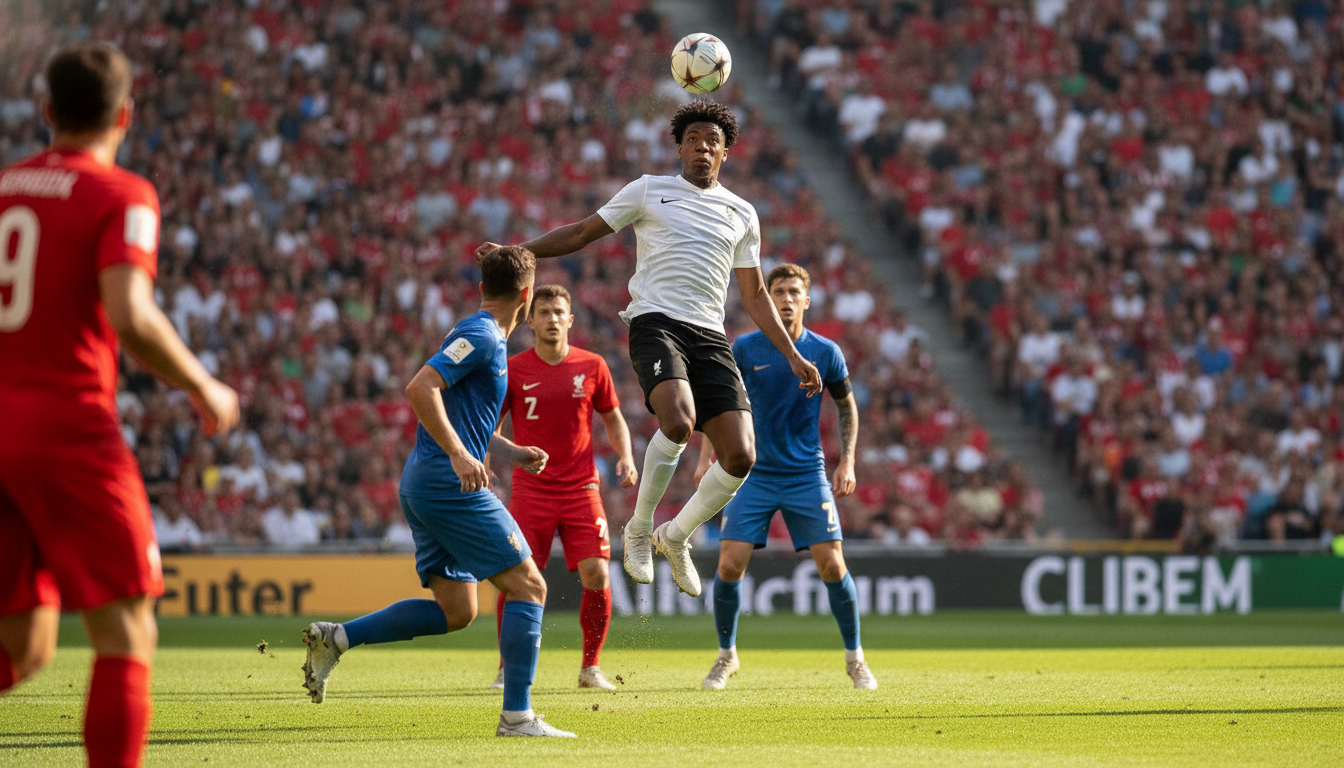
Man United, Liverpool and Arsenal Lead Summer Race for Mateus Mane
Man United, Liverpool and Arsenal are locked in a summer pursuit of Mateus Mane, as Wolves prepare to demand roughly £35m for the 18‑year‑old midfielder.


Mateus Mane has emerged as one of English football’s most watched teenagers after breaking into Wolverhampton Wanderers’ first team last season. Interest from Manchester United, Liverpool and Arsenal has intensified this summer, with European clubs also reported to be monitoring his progress.
Premier League Trio Lead Transfer Race for Mateus Mane
Wolves have attracted attention as the potential selling club for Mateus Mane, and three of England’s biggest clubs are the early favourites to secure his signature. Manchester United, Liverpool and Arsenal are each said to be weighing how the 18‑year‑old would fit into their long‑term rebuilds and squad plans.
All three clubs have shown a recent appetite for recruiting young talent, blending academy prospects with proven youth signings to refresh their squads. That pattern makes Mane an attractive prospect for sides looking to develop a creative, versatile attacking midfielder with Premier League experience.
Wolves Hold Contract Leverage and Price Expectations
Mane’s contract at Molineux runs until 2029, giving Wolves a firm negotiating position as they consider offers this summer. Based on reports circulating in transfer circles, Wolves could seek in the region of £35 million for the academy‑product‑turned‑first‑team player.
A lengthy contract reduces the risk of a cut‑price exit and allows Wolves to extract a fee that reflects both Mane’s potential and his immediate contribution. The club has shown in recent windows that it will demand appropriate compensation for emerging talents rather than accept deals below market value.
From Rochdale Debut to Premier League Breakthrough
The player’s pathway has been notable for its rapid ascent from the lower leagues to the Premier League in a short period. Mane arrived at Wolves after a move from Rochdale in 2024 and quickly became the club’s youngest ever top‑flight debutant when he first appeared in the senior team.
He made his debut on May 10 in a 2‑0 defeat to Brighton & Hove Albion, aged 17 years, seven months and 13 days, and grew into a more prominent role as the season progressed. By season’s end he had accumulated 28 Premier League appearances and 31 in all competitions, moving from a late substitute to a regular influencing games on the pitch.
Playing Profile: Creativity, Energy and Big‑Game Composure
Mane has been described by coaches and scouts as a dynamic attacking midfielder who offers energy and unpredictability in tight spaces. While his raw goal and assist tallies are modest, he is valued for his ability to unsettle opponents, link play between midfield and attack, and perform in demanding fixtures.
Coaches at Wolves gave him increasing responsibility under Rob Edwards, trusting him in high‑intensity matches where his movement and pressing proved effective. That combination of technical skill and tactical willingness helps explain why both domestic giants and continental clubs see him as a ready-made asset with upside.
European Interest Adds Complexity to the Market
The transfer picture is not limited to England, with clubs across Europe reportedly tracking Mane’s development and preparing potential bids. Borussia Dortmund and Eintracht Frankfurt are among the continental suitors mentioned in reports, alongside Newcastle United from the Premier League.
Interest from Germany and other European markets raises the likelihood of a competitive auction, as these clubs have a strong track record of developing young attackers and offering clear pathways to regular first‑team football. That dynamic may push Wolves to hold out for offers that reflect both Mane’s current contribution and his projected trajectory.
Strategic Fit for Potential Buyers
Each interested club would likely present a different plan for Mane’s integration, reflecting distinct tactical setups and squad needs. Manchester United could see him as part of a long‑term midfield rebuild, offering creativity in the final third and rotation options behind established starters.
Liverpool might view Mane as a high‑energy complement to their front line and a future successor to roles that require intense pressing and quick transitions. Arsenal could place him within a possession‑based structure, where his technical ability and forward runs would be groomed alongside their existing young core.
Transfer Timing and Market Considerations
The summer window will test both Wolves’ resolve and the patience of would‑be suitors as clubs balance sporting ambition with budgetary constraints. Any negotiation will factor in Mane’s immediate value, his age, contract length and the wider competitive market for young attackers.
Wolves’ stance on valuation and the level of European interest will be determinant factors in whether a deal is struck early or whether talks extend into the later stages of the window. Clubs that can demonstrate a clear development pathway and competitive financial terms will be best placed to advance discussions.
Pathways and Precedents in Wolves’ Recruitment
Wolves have become notable for identifying talent from lower tiers and integrating players into top‑flight competition, a strategy that has yielded both on‑field contributions and transfer value. The club’s recruitment model, exemplified in previous signings from non‑league and lower‑division sides, underlines their confidence in youth development.
Mane’s trajectory—from Rochdale to regular Premier League appearances—mirrors successful templates the club has applied before, reinforcing the notion that Wolves will demand commensurate compensation when selling. That pattern has also encouraged larger clubs to scout the club’s ranks as a source of first‑team‑ready prospects.
The 18‑year‑old’s fast rise and Premier League minutes make him a rare commodity on the summer market, blending proven experience with substantial potential. Interested clubs will be mindful that securing such a profile often requires decisive action and the ability to make a persuasive case for immediate involvement and future growth.
Football executives and scouts will now monitor how talks develop and whether any club can present a package that satisfies both the player’s career ambitions and Wolves’ valuation. Mane’s next destination will hinge on sporting promises, opportunity for minutes, and the financial terms on offer.
As the summer progresses, the contest for Mateus Mane looks set to intensify between leading Premier League suitors and established European clubs, with Wolves positioned to drive a strong sale if they choose to cash in. The coming weeks will reveal which club can marry ambition with the assurances needed to secure one of English football’s most promising young attackers.