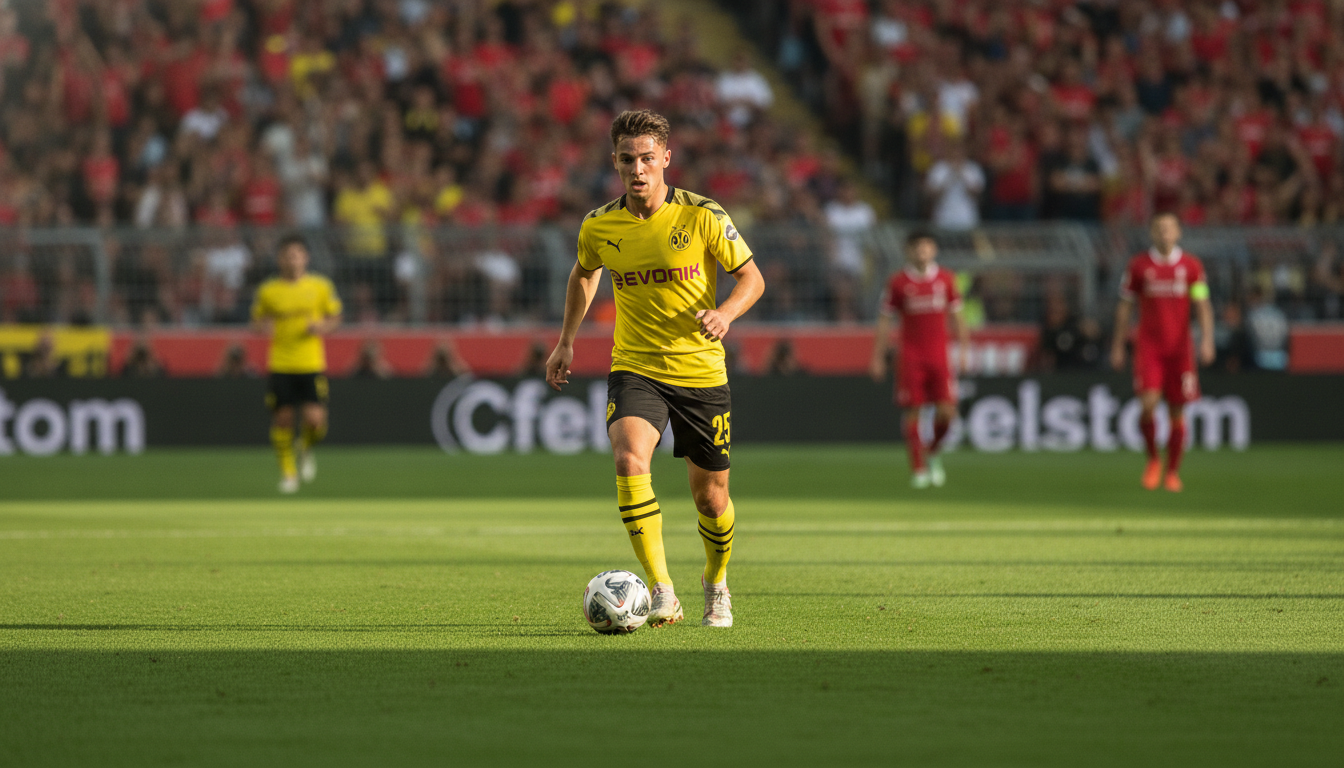
Liverpool target Daniel Svensson as summer left-back option amid £42m valuation
Liverpool are exploring a summer move for Daniel Svensson, Dortmund’s versatile left-back, with competition pushing his valuation to around £42m this year.


Daniel Svensson has emerged as a primary winter-to-summer signing target for Liverpool after an impressive spell at Borussia Dortmund. The 24-year-old Sweden international, who can operate as a left-back, wingback or in midfield, has attracted interest as the Reds look to address recurring full-back issues. Reports indicate Dortmund are reluctant sellers but rising demand could lift the transfer price towards the mid-£40 million mark.
Liverpool include Daniel Svensson on summer shortlist
Liverpool have added Daniel Svensson to a short list of defensive reinforcements for the upcoming window. Club sources and media reports say the Reds view Svensson as a realistic option to strengthen their left side ahead of the new campaign. The interest follows a season in which Liverpool’s full-back options were frequently disrupted by injury, prompting a renewed search for natural wide defenders.
Svensson’s name has gained traction because of his age profile and positional flexibility, qualities Liverpool value for squad building. At 24, he combines room for development with first-team experience in a top European league. That profile makes him an attractive alternative to older or less adaptable targets Liverpool have considered.
Svensson’s rise at Borussia Dortmund
Daniel Svensson arrived at Borussia Dortmund initially on loan from FC Nordsjælland in February 2025 before the club completed a permanent transfer the following summer. Since then he has become one of Dortmund’s more dependable young players, amassing 66 appearances across competitions. During that period he contributed six goals and six assists, a notable return for a defensive player who regularly progresses into advanced positions.
Under Niko Kovač, Svensson established himself as the preferred left wing-back in a 3-4-3 system, displacing more established options. His performances combined defensive solidity with the attacking instincts Dortmund require from their wide players. The rapid transition from loanee to first-choice starter highlights the consistency that has drawn external interest.
Tactical fit and positional versatility
Svensson offers Liverpool several tactical options because he is comfortable at left-back, as a left wing-back and inside midfield when required. That adaptability appeals to a club that has fielded midfielders and central players at full-back due to injury gaps. A player capable of switching between roles would allow Liverpool to maintain tactical fluidity without compromising defensive balance.
Statistical profiles underline Svensson’s two-way contribution. He posted an 83.5 percent pass completion rate and a 50 percent dribble success rate, indicating technical confidence on the ball and the ability to advance play. Those offensive metrics sit alongside robust defensive outputs, suggesting he can meet Liverpool’s demands in both build-up and recovery phases.
Liverpool’s defensive context and need for reinforcements
Liverpool’s search for a natural full-back has been intensified by a season disrupted by injuries to primary options. Right-back problems earlier in the campaign forced senior midfielders and attackers into emergency defensive roles, underlining a shortage of specialist cover. The club’s recruitment priorities have shifted accordingly, with full-back depth now a clear summer objective.
Although recent windows saw significant investment across the squad, recurring absences have revealed a need for durable, positionally disciplined players. Signing a young, adaptable defender would address both immediate cover and long-term planning. Decision-makers at Liverpool are reportedly prioritizing players who can start regularly and remain available over an extended campaign.
Valuation, contract status and Dortmund’s stance
Borussia Dortmund hold Svensson to a long-term contract, with roughly three years remaining on his deal at Signal Iduna Park, which gives the club leverage in negotiations. That security explains why Dortmund are not perceived as desperate sellers despite outside interest. Market observers suggest that increased competition among suitors could elevate a transfer fee to approximately £42 million.
Dortmund’s valuation reflects both Svensson’s on-field metrics and his potential resale value as a young international. The club have a track record of developing talent and negotiating firm prices when multiple teams express interest. Any move would therefore likely involve protracted discussions and a valuation-sensitive bargaining process.
Transfer timeline and potential implications for Liverpool
A summer transfer remains the most plausible window for any deal involving Daniel Svensson, given Dortmund’s current stance and the time required for negotiations. Liverpool will need to balance urgency with pragmatism, as paying a premium could constrain other recruitment priorities. Conversely, securing a player who can immediately fortify the squad would reduce the need to field out-of-position players during the season.
If Liverpool complete a deal, Svensson would bring a blend of athleticism and ball progression to their defensive unit. His arrival could allow the club to revert to more stable positional deployments, while also offering the option to switch systems without wholesale personnel changes. For Svensson, moving to Anfield would represent a step into one of Europe’s most scrutinized environments, where immediate impact is often expected.
Liverpool’s sporting staff will also consider intangibles such as dressing-room fit, adaptability to Premier League intensity and recovery from prior injuries in the squad. Those assessments, combined with medical evaluations and data-driven scouting, will shape final decisions. The club’s recruitment strategy typically weighs short-term needs against long-term squad construction, and any potential move for Svensson will reflect that balance.
Reports that began circulating in mid-July identify the left-back as a target, but the situation could change rapidly if other clubs enter the race. Competition for young full-backs has intensified across Europe, and interest in Svensson highlights the premium placed on players who can contribute immediately. Dortmund’s willingness to hold or sell will be a key determinant of whether Liverpool can reach an agreement this summer.
Svensson’s profile also raises questions about where he would slot into Liverpool’s hierarchy, should a transfer go through. He could be signed to compete for a starting berth or to provide trusted depth across multiple positions. Either scenario would alter the club’s planning for rotations and contingencies in domestic and European competitions.
Medical checks, negotiations over agent fees and personal terms would follow any initial agreement between clubs, extending the process beyond a simple transfer fee. Liverpool’s hierarchy have historically moved carefully on sizeable investments, preferring clarity on a player’s role before committing. That approach suggests that talks about Svensson would likely be thorough and protracted rather than rushed.
The wider market context will influence the final outcome, including who else targets left-back reinforcements and how Dortmund respond to offers. Economic considerations across clubs, wage structures and squad lists will all affect whether a deal satisfies all parties. For Liverpool, the priority remains securing dependable options that reduce tactical compromise and provide long-term value.
Sustaining form after a high-profile move would be crucial for Svensson, given the Premier League’s physical demands and Liverpool’s tactical expectations. His technical metrics and defensive actions indicate readiness, but adaptation periods vary by player. Success would depend on coaching integration, fitness management and the ability to handle increased scrutiny.
Competition for places at Liverpool could push Svensson to elevate his performance, while also offering coaches the flexibility to rotate without significant drop-off. That dynamic benefits both the club and the player if managed correctly. Ultimately, a transfer would be judged on immediate contribution and contribution to Liverpool’s ambitions over multiple seasons.
Liverpool’s interest in Daniel Svensson is indicative of the club’s search for young, versatile defenders capable of stepping into demanding roles. Whether a move materializes will depend on negotiations with Borussia Dortmund, the player’s willingness to switch leagues and the financial parameters set by both clubs. The coming weeks of the transfer window should clarify whether Svensson becomes a central figure in Liverpool’s summer rebuild.
If a deal proceeds, it will be watched closely by analysts and supporters for what it signals about Liverpool’s recruitment direction. A successful acquisition would provide a clear answer to the club’s need for dependable width and defensive reinforcement. Supporters will expect that any signing not only covers immediate gaps but also contributes to sustained competitiveness across competitions.