WAFCON 2026 Group A: Morocco rout Kenya 4-0 as Algeria beat Senegal 2-0 in Rabat
Hosts Morocco crushed Kenya 4-0 while Algeria defeated Senegal 2-0 in the WAFCON 2026 Group A openers, setting up a decisive North African showdown in Rabat.

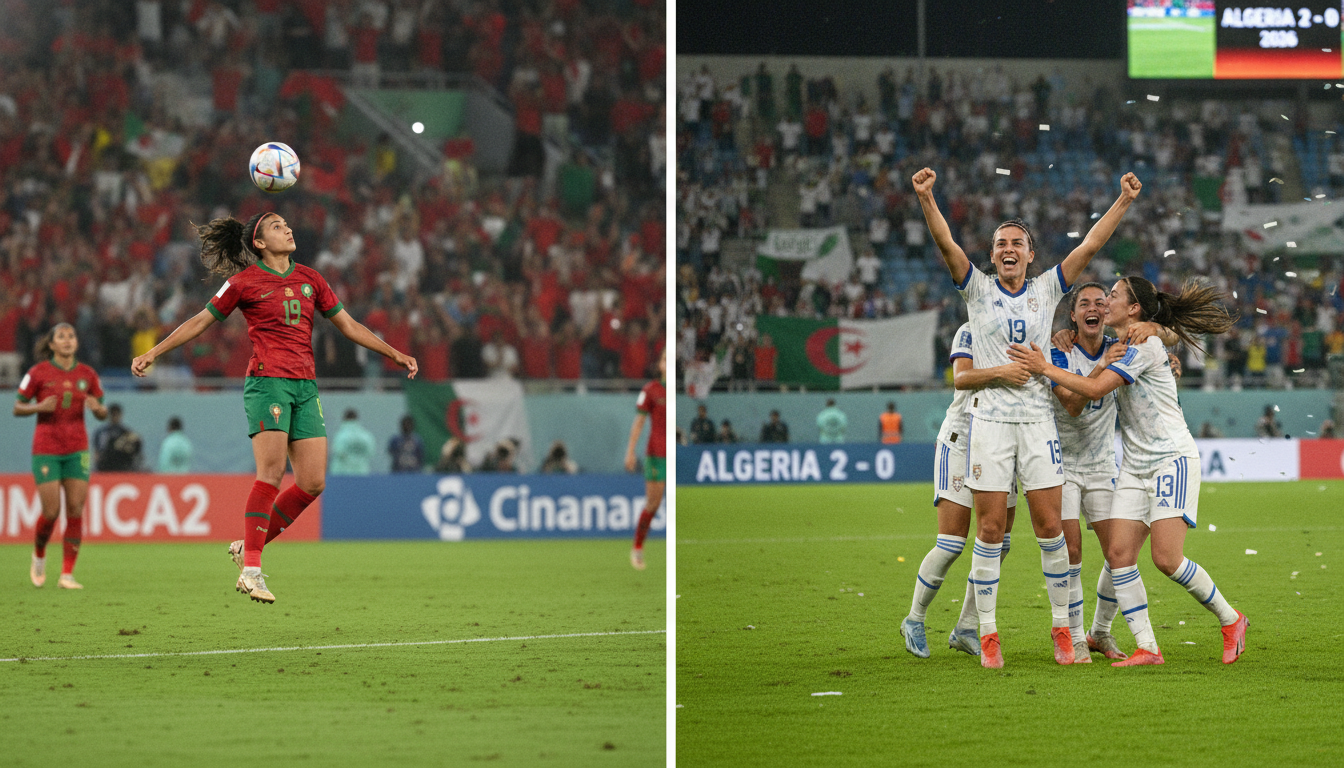
Morocco and Algeria both opened their WAFCON 2026 Group A campaigns with commanding wins in Rabat that left the pair level on three points and primed for a high-stakes meeting later in the week. The hosts dismantled Kenya 4-0 at the Moulay El Hassan Stadium in a dominant display, while Algeria edged Senegal 2-0 after a contentious first-half penalty and a late clinical finish. Both results underline the regional strength of North African sides and create contrasting questions for Kenya and Senegal as they seek quick responses to keep knockout hopes alive.
Morocco rout Kenya to announce title intent
Morocco controlled possession and tempo from the outset, turning early dominance into goals that punctured Kenya’s defence. Yasmin Mrabet provided the defence-splitting pass that allowed Sakina Ouzraoui Diki to open the scoring with a composed finish in the 19th minute. The hosts exploited aerial superiority soon after, with Maryame Atiq rising to head home a second goal and Hanane Aït El Haj and Ibtissam Jraidi combining to make it 3-0 before halftime.
The second half began in similar fashion as Morocco quickly extended their lead when Jraidi converted from close range following a swift right-flank surge by Sanaa Mssoudy. The four-goal margin reflected Morocco’s attacking variety: incisive passing, strong wing play and dominance in the air. The Atlas Lionesses’ performance will please a large home crowd keen to see their side translate early momentum into group-stage points.
Morocco’s combination of tactical discipline and finishing efficiency highlighted why they are considered serious contenders on home soil. Their defence conceded few meaningful chances and the midfield balance allowed transitions to be punished ruthlessly. This emphatic opening result sends a clear message to Group A rivals about Morocco’s ambitions in the tournament.
Algeria edge Senegal after controversial penalty decision
Algeria produced a measured, structured display against Senegal that paid off with a 2-0 scoreline earned through a first-half penalty and a late insurance goal. The key moment came in the 42nd minute when a foul on Amira Braham prompted a penalty decision that was upheld after a VAR review, allowing Bristol City midfielder Dafeur to convert from the spot. The decision was pivotal and set the tone heading into the interval.
Senegal enjoyed marginally more possession but struggled to translate control into clear chances, finishing the match with just two shots on target. Algeria’s defensive organisation forced their opponents into low-percentage opportunities and tested the Senegalese goalkeeper with a steady stream of threats. The visitors’ persistence was further rewarded when Mélissa Bethi capitalised on a Lina Boussaha delivery five minutes from full time to seal the victory.
Tactical discipline and concentration in key moments defined Algeria’s approach, while Senegal were left to rue missed chances and refereeing calls that influenced momentum. Algeria’s ability to absorb pressure and strike when openings emerged will boost confidence ahead of the pivotal fixture versus Morocco. For Senegal, the task is to regroup quickly and sharpen their attacking output for the next match.
Key performers and tactical takeaways
Morocco’s front line combined technical fluidity with direct threat, with Mrabet’s vision and Sanaa Mssoudy’s pace providing frequent outlets down the wings. Ibtissam Jraidi’s brace underlined her aerial strength and poaching instincts, while Maryame Atiq’s headed goal exemplified Morocco’s set-piece threat. Together, their attacking variety made them difficult to contain for Kenya’s backline and created multiple high-quality scoring opportunities.
Algeria’s triumph owed much to their defensive structure and set-piece readiness, with Dafeur’s penalty standing out as a match-defining contribution. Lina Boussaha’s creativity and Bethi’s composure in front of goal were decisive late in the contest. The Algerian side balanced caution with sharp transitions, preferring to frustrate Senegal before exploiting gaps on the counter or from well-worked wide deliveries.
For Kenya and Senegal, the matches highlighted areas that require immediate attention. Kenya showed glimpses of attacking promise through Fasila Omondi and Valerie Nekesa but lacked clinical finishing and defensive composure when under sustained pressure. Senegal must convert greater possession into meaningful chances and address moments of indecision in the penalty area that allowed Algeria to capitalize.
Group A table implications and the looming Morocco–Algeria blockbuster
The twin results leave Morocco and Algeria level on nine-goal difference and three points at the top of Group A, with both sides in strong positions to vie for the group’s top spot. Morocco’s emphatic win gives them a superior goal difference that could prove decisive in a closely fought group, but Algeria’s contrasting win underlines their resilience and tactical nous. The upcoming Morocco–Algeria meeting in Rabat now assumes critical importance for both teams’ knockout aspirations.
A victory for the host nation would put them in a commanding position to secure top spot, while an Algerian win could shift momentum and place pressure on the Atlas Lionesses in the final group match. The fixture will also carry regional significance, intensifying the rivalry and the tactical chess match between two North African teams boasting contrasting strengths. Both squads will study each other closely, with form, injuries and disciplinary records likely to influence selection choices.
The results also affect Kenya and Senegal, who now face must-win assignments to remain in contention. Group A’s second round of fixtures will determine whether the two East and West African sides can recover swiftly or find themselves eliminated from title contention. For tournament organizers and broadcasters, the Morocco–Algeria clash offers one of the early high-profile fixtures that could shape public interest and the narrative of WAFCON 2026.
Pressure mounts on Kenya and Senegal to recover quickly
Kenya’s return to the Women’s Africa Cup of Nations has featured encouraging moments despite the scoreline, but coach and players must convert those chances under pressure. Fasila Omondi’s determined runs and Valerie Nekesa’s service demonstrated attacking intent, yet clinical finishing and defensive compactness will be essential against tougher opposition. The Harambee Starlets’ upcoming match against Senegal is effectively a knockout in group guise and will test their mental resilience.
Senegal’s performance exposed a gap between possession and penetration that must be addressed in the short turn-around to their next fixture against Kenya. Coach rotations and substitutions during the match suggested a willingness to adapt, but the side’s frontline must find sharper movement and improved finishing to relieve mounting pressure. Both teams know the margin for error is small in Group A and that early points are critical to secure a pathway through the group stage.
Both coaching staffs will also be monitoring player fitness and any disciplinary issues ahead of their next games, as injuries or suspensions could sway balance in a compact group. Tactical tweaks, formation adjustments and clearer attacking patterns will likely feature in training sessions as each side pursues vital points. The tight timetable of the tournament will reward teams that can recover physically and recalibrate strategically within days.
The tournament atmosphere in Rabat has amplified the stakes for all four Group A teams, and quick lessons learned from the openers will be crucial in the days ahead.
Morocco and Algeria leave Rabat buoyed by their first-round successes but aware that one decisive match between them could determine the group’s pecking order. Kenya and Senegal face immediate do-or-die assignments to keep their knockout hopes alive, making the next set of fixtures an essential early test in WAFCON 2026.