Yan Diomande: Real Madrid Complete €140m Signing of Rising African Star
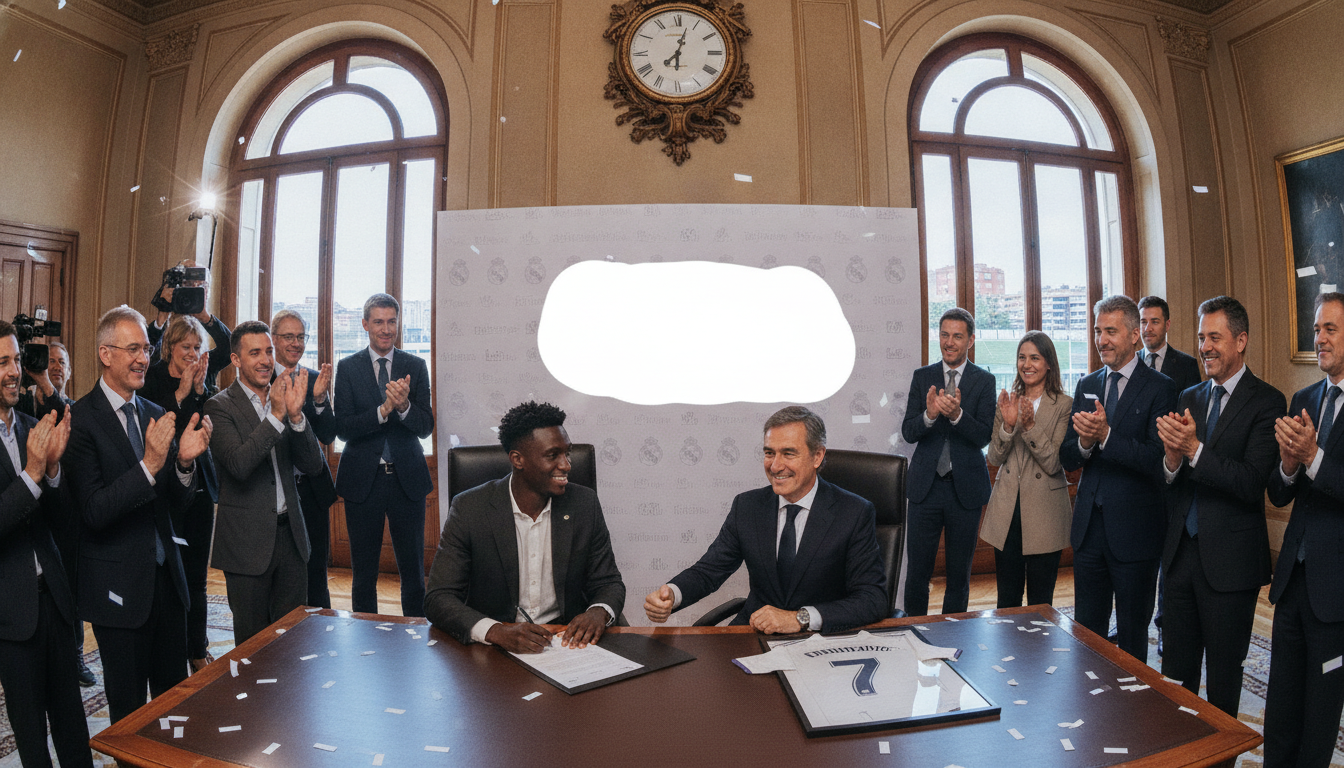
Real Madrid have confirmed the signing of Yan Diomande in a deal worth up to €140m, making the winger the most expensive African footballer in history.


Real Madrid confirmed this week that Yan Diomande will join the club in a transfer worth up to €140m, a figure that sets a new continental record. The signing completes a rapid climb for the 20-something winger who made his professional debut against Real Madrid at the Santiago Bernabéu in March 2025. Backed as a teenager by an investment group and developed at the DME Academy in Florida, Diomande’s journey took him from Leganés to RB Leipzig and a breakout international showing at the 2026 World Cup. Observers who worked with him early, including Malawian diplomat and sports-business figure James Woods, say the fee reflects both his rapid development and a string of sustained performances.
From Bernabéu Substitute to Record Signing
Diomande first appeared on a major stage as a substitute for Leganés at the Santiago Bernabéu in March 2025, a brief cameo that foreshadowed a swift rise. That same stadium will now be his regular home as he joins Real Madrid, completing a full-circle moment that has captured widespread attention. The deal’s headline number — up to €140m — surpasses previous records for African players and marks a significant milestone in transfer market history. For clubs, agents and national programs, the transfer underlines both the financial value of elite young talent and the increasingly global routes into European elite football.
Development Path: Academies, Investment and Early Moves
Diomande’s pathway to the top was not linear; it involved a mix of private investment, academy training and opportunistic transfers. A sports investment group first backed him as a teenager, facilitating his development at the DME Academy in Florida, where he received structured training and exposure to scouts. He then signed professional terms with Leganés, a move that gave him senior minutes in Spain despite the club’s eventual relegation. That relegation, while a setback in one sense, cleared the way for a €20m transfer to RB Leipzig — a move that provided a higher-profile platform and the tactical context in which his attributes flourished.
Breakthrough at Leipzig and World Cup Impact
At RB Leipzig, Diomande’s game accelerated in pace and polish, producing an explosive Bundesliga campaign that drew attention across Europe. His performances combined directness, pace and an ability to affect both wings of attack, qualities that suited Leipzig’s dynamic approach. A prominent role at the 2026 World Cup amplified his visibility, as international tournaments often crystallize a player’s market value in a short period. Those showings, coupled with his domestic form, converted promise into a position near the top of many clubs’ transfer lists and ultimately triggered the high-profile move to Madrid.
James Woods on Discipline and Daily Work
James Woods, who describes himself as privileged to have witnessed Diomande’s early career, emphasizes the player’s discipline and consistency over raw talent alone. Woods says he saw an athlete who treated every session as vital, maintaining focus in unfamiliar surroundings and refusing to perform for the room. He frames the transfer fee as confirmation rather than revelation, arguing that those close to the player already recognised the intensity and appetite for improvement. Woods warns that the quieter years of daily work — the sessions without spectators or headlines — were where Diomande’s development was truly forged.
What the Transfer Means for African Talent and Malawi
Woods and others involved in Diomande’s pathway say the move carries broader implications for African football, particularly for nations like Malawi. The signing demonstrates that elite trajectories can originate from less prominent footballing nations when structures and investment align. Scouts and academy directors point out that the difference between global breakthroughs and forgotten prospects often boils down to access to reliable pathways and early backing. For young Malawians and other African prospects, Diomande’s rise serves as tangible evidence that the summit of the world game is attainable with opportunity and sustained support.
Expectations, Pressure and the Real Madrid Environment
Arriving at Real Madrid brings immediate expectations that extend beyond on-field output to commercial and cultural responsibilities. The club’s environment is relentlessly demanding, and players who register high transfer fees are subject to intense scrutiny from media, supporters and internal stakeholders. Observers note that the primary managerial task will be integrating Diomande in a way that preserves his work ethic while allowing him to flourish creatively. Past examples show that adaptation to a club of Real Madrid’s scale requires not only technical fit but psychological resilience and a clear support network.
Diomande’s ability to handle the non-sporting aspects of the move — language, media obligations and the elevated public profile — will be as important as his tactical adaptation. Coaching staff will have to balance game time with protection from overload, ensuring the player’s development is not accelerated into burnout. Representational duties and sponsorship interest will rise sharply, and the club’s role in managing those commercial pressures will influence the player’s focus. For Diomande personally, maintaining the habits that earned him this opportunity will be critical to converting potential into sustained success.
Caution and Long-Term Potential
Voices close to the player frequently stress that the biggest danger at this level is not immediate pressure but the distractions that accompany success. Woods cautions that flattery can derail promising careers, and he urges young players to keep perspective despite headline figures. The transfer should therefore be viewed as the start of a new phase, not as a final destination; Real Madrid will evaluate Diomande on an ongoing basis by his contribution to the team and consistency. If he retains the discipline and hunger observed in his formative years, the long-term upside could justify the investment many times over.
The sporting case for Diomande rests on both measurable performance data and less tangible attributes such as decision-making under pressure and capacity to learn. Analysts expect development to continue if he secures regular minutes in a role tailored to his strengths, while also noting that tactical adjustments will be necessary. A carefully managed integration plan that prioritizes match rhythm and gradual exposure to peak responsibilities would offer the clearest path to return on investment. Ultimately, the trajectory that began at an academy in Florida and threaded through Spain and Germany now faces its sternest test in Madrid.
This transfer will also be watched closely by national teams and development program leaders across Africa, who see in Diomande’s story a template for producing elite-level professionals. If clubs and federations invest in sustainable pathways rather than one-off talent hunts, the continent is likely to produce more players capable of commanding large fees and delivering on high stages. Diomande’s move therefore resonates beyond a single contract; it speaks to evolving markets, scouting networks and the growing appetite among top clubs to secure young, high-ceiling players early.
Real Madrid’s acquisition of Yan Diomande marks a defining moment in the winger’s career and a notable event in the wider football landscape, blending sporting promise with market significance. The next chapters will test whether the attributes that propelled him to this point — discipline, adaptability and a relentless work ethic — can be sustained under the spotlight of one of the world’s most scrutinised clubs. As Diomande prepares for life at the Bernabéu, the expectations are clear: maintain the habits that built the rise, and let performance, rather than price tags, shape the legacy.