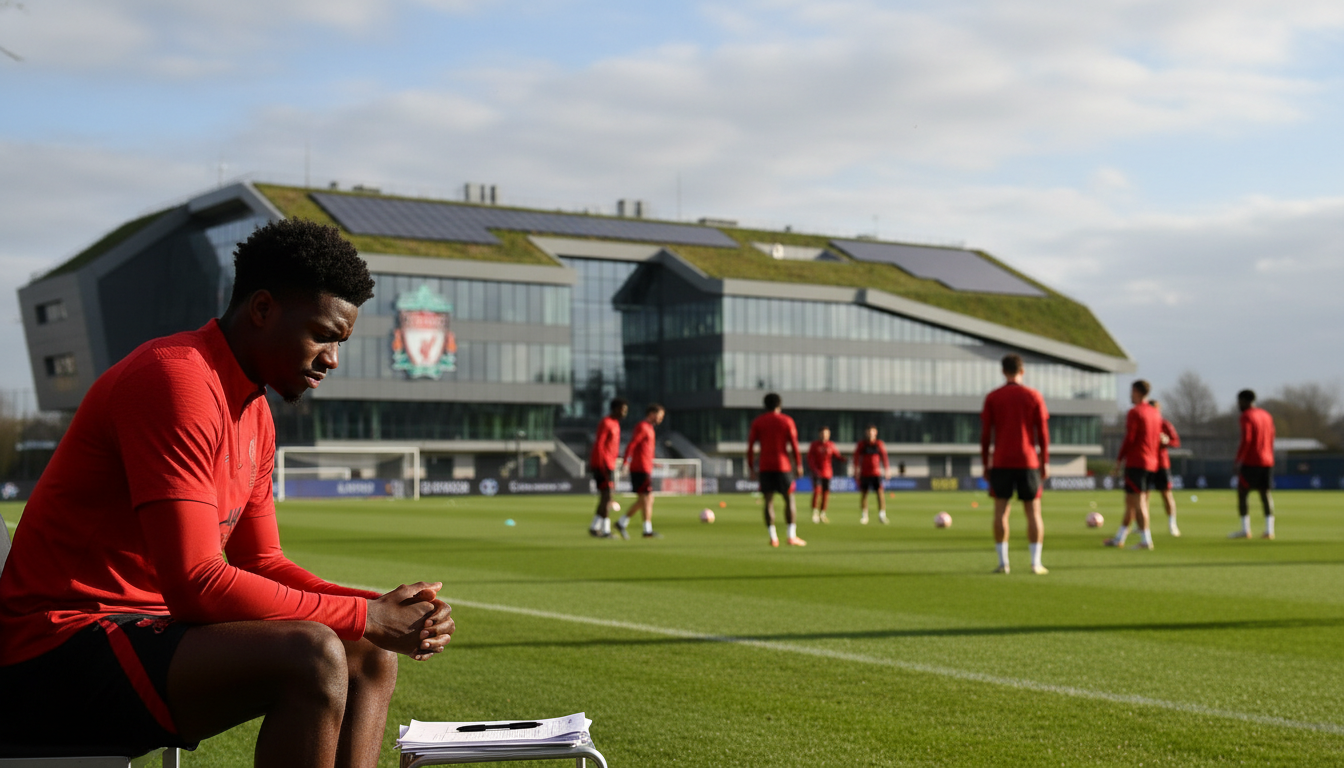
Liverpool face identity test as Ibrahima Konate contract talks collapse
Liverpool face an identity test after Ibrahima Konate’s contract talks collapsed, exposing strain in wage policy and defensive depth ahead of transfer decisions.


The collapse of contract negotiations with Ibrahima Konate has left Liverpool confronting a pressing strategic question about squad stability and their pay structure. Konate’s stalled extension, once thought to be routine, has quickly become a focal point for debate over how the club balances discipline with retaining top talent. The outcome raises immediate footballing concerns and broader questions about the sustainability of Liverpool’s model.
Konate contract talks collapse
Recent weeks saw Ibrahima Konate shift from apparent agreement to uncertainty, with talks ending without a new deal in place. That change has prompted discussion inside and outside the club about whether a stalemate could lead to his departure when his contract expires. The abruptness of the breakdown has been notable given earlier signals that an extension was likely.
Club sources describe a negotiation that diverged on valuation rather than principle, meaning the split was as much about timing and terms as it was about intent. For Liverpool, allowing a high-value asset to approach free agency is a risk to both competitive depth and the balance sheet. For Konate, the decision will hinge on playing prospects, remuneration and his assessment of the club’s trajectory.
Liverpool’s self-sustaining model under pressure
Liverpool’s financial philosophy has long emphasized internal wage control, targeted investment and avoiding bidding wars that inflate the market. That approach has yielded trophies and relative stability in recent seasons, but it depends on converting emerging talent into long-term contributors. When marquee players drift toward the exit without transfer fees, the model’s limits become clearer.
The situation with Konate is emblematic: retaining discipline can preserve club culture and wage harmony, but it risks asset depreciation if negotiations fail. How the club manages that tension will determine whether their approach remains a strategic advantage or becomes a liability. The calculus is complicated by market inflation and evolving player expectations.
Defensive depth and squad timing exposed
On the pitch, Konate’s potential exit intensifies concerns about defensive resources and succession planning. The centre-back group already leans on experienced figures and emerging pros, leaving little margin for injury or form-related dips across a long season. Replacing a player of Konate’s profile on short notice would force Liverpool into a compressed recruitment window with limited leverage.
Youth prospects provide hope but not immediate reassurance; young defenders can take time to adapt to the Premier League’s physical and tactical demands. The timing matters because Liverpool enter a period of transition where continuity has been a rare commodity. Squad construction now requires both prudence and urgency to avoid competitive shortfalls.
Wage structure and transfer strategy at a crossroads
Contract breakdowns like this feed into a wider debate about salary ceilings and transfer priorities at the club. Liverpool have chosen to reward performance while resisting market escalation, but players and agents increasingly benchmark offers across Europe’s top clubs. If that gap grows, the club risks losing key personnel who, logically or emotionally, seek parity with peers.
Strategically, the club appears willing to reallocate funds toward attacking reinforcements and other pressing needs rather than upend the wage scale to retain every player. That decision reflects a long-term planning mindset but comes with reputational costs when influential players depart. The ultimate test will be whether incoming signings and internal promotions can offset the loss in quality and cohesion.
Managerial change and dressing-room cohesion
Off-field leadership dynamics compound the issue: managerial transitions and departures have affected how players assess stability at Liverpool. Changes in coaching personnel influence conversations on contracts, playing time and the club’s short-term ambitions. A player deciding whether to commit is likely to weigh those factors alongside financial terms.
For dressing-room cohesion, the loss of a central figure can have ripple effects beyond tactics and formations. Team morale and the club’s image among prospective signings are both sensitive to a narrative of exits. Maintaining a clear, consistent message from the boardroom and coaching staff will be essential to limit disruption.
Supporter confidence and public perception
Supporters have reacted strongly to a sequence of high-profile departures in recent seasons, and each addendum to that pattern tests faith in the club’s direction. Fans value both competitive ambition and financial integrity, and balancing those sometimes-conflicting priorities is a political as well as a sporting challenge. Public perception of Liverpool as reactive rather than proactive risks hardening into a broader critique if key assets continue to leave.
The club will need to manage communication carefully, explaining decisions without alienating stakeholders on either side. Demonstrable progress in recruitment or in the development of young players could calm immediate anxieties. Conversely, a string of avoidable exits would intensify scrutiny of strategy and leadership.
Recruitment options and next steps
If Konate does leave, Liverpool face a range of options: purchase a proven Premier League defender, sign an international talent with top-level experience, or accelerate the promotion of academy graduates. Each path carries trade-offs in cost, integration time and long-term upside. The club’s scouting network and relationships in the market will be put to a practical test.
Timing and budget will shape the likely route. A winter or summer window move for an established defender requires significant outlay and the ability to convince targets of Liverpool’s renewed competitiveness. Alternatively, a bet on youth preserves funds but raises the immediate risk of inconsistency. Decision-makers must weigh short-term competitiveness against the club’s stated long-term principles.
The handling of contract negotiations going forward will also be instructive. Clearer timelines, early engagement and transparent valuation frameworks could prevent future impasses. The board and sporting directors have to reconcile the twin aims of financial prudence and squad continuity if they hope to sustain success.
Liverpool are at a crossroads where one negotiation has become a test case for broader strategy and identity. The collapse of talks with Ibrahima Konate highlights the pressures at play between wage discipline, market realities and on-field necessity. How the club responds in recruitment, contract policy and public messaging will determine whether this episode is an isolated blip or the start of a more consequential trend.