Brazil 1-1 Morocco: Vinicius Rescue Settles Tense World Cup Opener
Brazil 1-1 Morocco: Vinicius Jr. leveled in a nervy World Cup opener after Ismael Saibari’s surprise strike, prompting debate across Chinese social media.
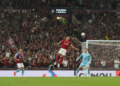
Match synopsis at New Jersey Stadium
Brazil were held to a 1-1 draw by Morocco in their opening World Cup fixture, a result that produced more questions than answers for the five-time champions. The match saw Morocco take an early lead through Ismael Saibari before Vinicius Jr. equalised to salvage a point for Brazil. The result left both teams sharing the spoils in a game defined by conservative approaches and disciplined defending. Fans and pundits immediately began parsing the performance for signs of form and intent ahead of the group stage.
Vinicius Jr. strikes to level for Brazil
Vinicius Jr. scored his tenth international goal on his fiftieth appearance to restore parity for Brazil, converting a moment of quality late in the first half. The Real Madrid forward’s finish eased immediate pressure on Brazil’s attack, but did not erase lingering concerns about cohesion and tempo. Carlos Ancelotti’s side repeatedly probed for a winner after the equaliser but were unable to break down Morocco’s organised rear guard. The goal reinforced Vinicius’s importance to Brazil’s forward remit while underlining that single moments of brilliance will not mask broader tactical issues.
Ismael Saibari’s counter that shocked the favourites
Morocco took the lead after 21 minutes when Ismael Saibari latched onto a swift transitional move and finished with composure. The strike was the product of a well-executed counter-attack, catching Brazil in an advanced posture and exposing gaps between the midfield and defence. Saibari’s goal was a reminder of Morocco’s ability to strike quickly and clinically when afforded space. It also demonstrated that underestimating Morocco’s tactical discipline would be costly against teams that commit numbers forward.
Second-half patterns and cautious game management
After the break the match settled into a pattern of Moroccan defence and selective counter-attacks while Brazil elected to manage risk rather than force the issue. Brazil’s midfield controlled possession at times but often lacked incisive forward passes and sustained pressure in the final third. Morocco’s plan relied on structural solidity and speedy transitions, frustrating Brazil’s attempts to dominate the scoreboard. Substitutions from both sides reflected a preference for containment over gamble; coaches appeared to prioritise control of the game’s tempo rather than chasing a late, high-risk winner.
Reaction on Chinese social media and the Weibo thread
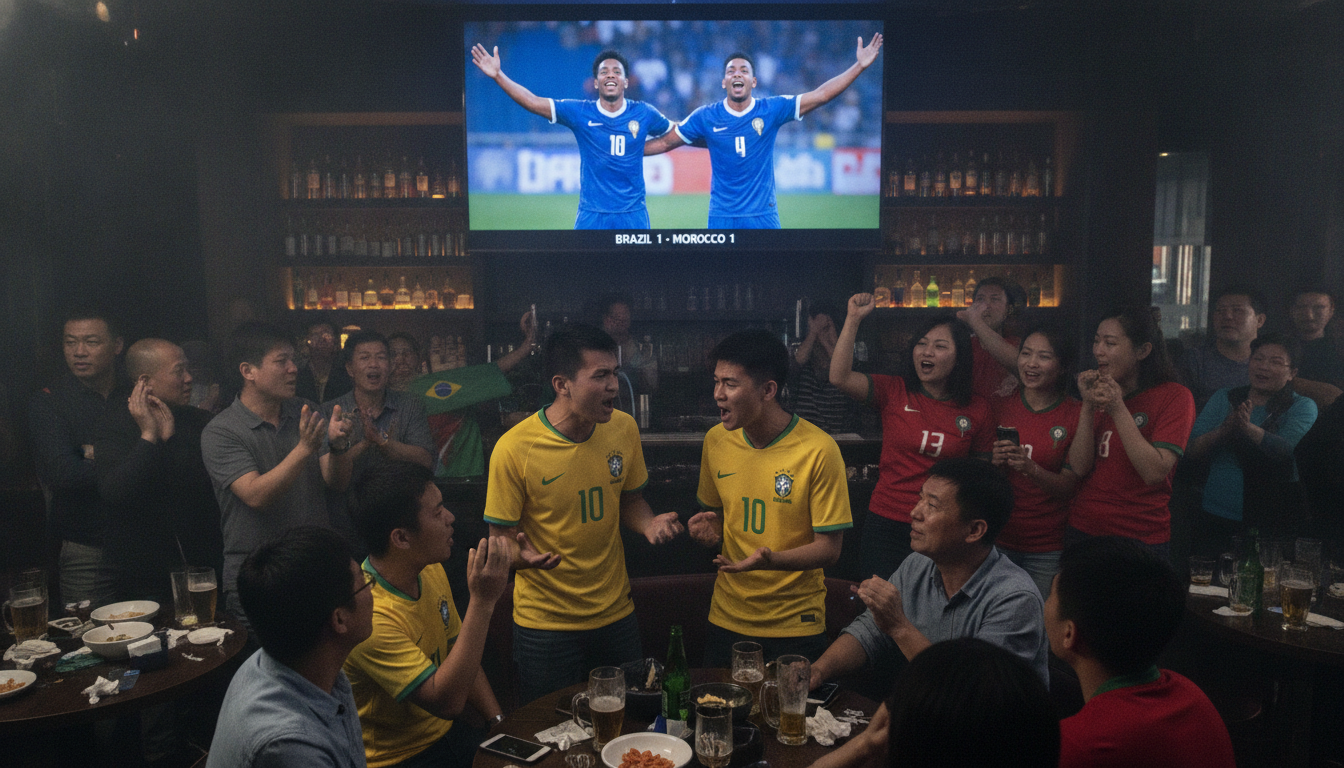
A Weibo thread titled “Wake Up, Brazil, this is the World Cup” surged across Chinese social media after the match, attracting thousands of interactions within hours. The post drew more than 15,000 likes, roughly 1,400 comments, and over 400 shares, crystallising a debate between those who saw the draw as a failure and those who defended Brazil’s performance. Critics described the display as lacklustre, pointing to missed opportunities and a perceived lack of urgency in attack. Defenders countered with reminders about Morocco’s strength and world ranking, arguing that drawing against a resolute opponent is not a catastrophe.
Tactical takeaways for Brazil and Morocco
Brazil’s approach raised tactical questions about balance and intent, particularly with regard to how the side transitions from possession to penetration. The team demonstrated control in stretches but struggled to convert territorial dominance into clear chances, highlighting a need for sharper vertical play. Morocco, meanwhile, showed the merits of compact defending and disciplined transitions, which allowed them to limit Brazil’s threat and create moments on the break. Both teams leave the match with positives to build on: Brazil with the reassurance of a reliable finisher in Vinicius, and Morocco with evidence that their defensive structure can frustrate top-ranked opposition.
Key statistics and moments that defined the match
The opener at New Jersey Stadium featured several decisive moments beyond the two goals: early possession battles, a handful of set-piece opportunities for Brazil, and several counters that kept Morocco in the game. Brazil’s shot volume did not translate into high-quality chances, while Morocco’s fewer attacks proved more direct and effective. The match served as a reminder that possession metrics are not synonymous with the capacity to score, and that narrow margins decide early tournament fixtures. Coaches on both sides will pore over the data to adjust their tactical plans for upcoming group games.
Implications for group-stage trajectories
The draw reshapes immediate expectations in the group by denying Brazil an outright advantage from the opener and giving Morocco a valuable point to build on. Brazil will need to convert dominance into victories in subsequent matches to avoid pressure in the latter stages of the group phase. Morocco’s performance will bolster confidence, but their path remains contingent on maintaining the defensive discipline that earned this result. Group dynamics can shift quickly in tournament football, and both teams must now manage momentum and recovery with an eye on fixture scheduling and squad rotation.
Coaching decisions and possible adjustments
Coaches will leave New Jersey with clear areas to address: Brazil’s need for tighter link-up play between midfield and attack, and Morocco’s ongoing task of balancing defensive solidity with attacking threat. Ancelotti’s selection and in-game management will face scrutiny over substitutions that failed to unlock a stubborn defence. Morocco’s coach can take satisfaction from his side’s organisation but may also seek more out of their possession phases to reduce reliance on counter-attacks. The tactical chessboard of a tournament is long, and small modifications could yield significant dividends as the group stage progresses.
Player performances beyond the scoreline
Individual performances offered nuance beyond the headline result, with Brazil’s attacking corps praised for moments of invention yet criticised for inconsistency. Morocco’s backline earned plaudits for concentration and timely interventions, while Saibari emerged as a focal point of praise for his decisive contribution. Goalkeepers on both sides made saves that kept their teams level when the match could have tipped in either direction. The game illuminated the value of collective structure as much as individual talent in determining outcomes at this stage of the competition.
Brazil 1-1 Morocco will be replayed in analysis rooms and on social feeds for days, but the immediate consequence is straightforward: both teams share a point and the tournament moves on.