Iran at 2026 World Cup: Los Angeles Crowd Divided as Fans Protest Ahead of Iran vs New Zealand
Iran at 2026 World Cup sees Iranian Americans split between celebration and protest as the team prepares to face New Zealand in Los Angeles tonight.
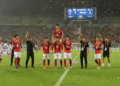
Strong turnout as fans converge on Los Angeles stadium
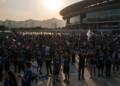
Iran at 2026 World Cup drew large numbers of Iranian Americans to the stadium precinct in Los Angeles on Monday, with supporters and protesters arriving hours before kick-off.
Many streamed into the area in the afternoon, eager to see Iran’s opening match, while a sizable group of demonstrators gathered outside to make their grievances visible.
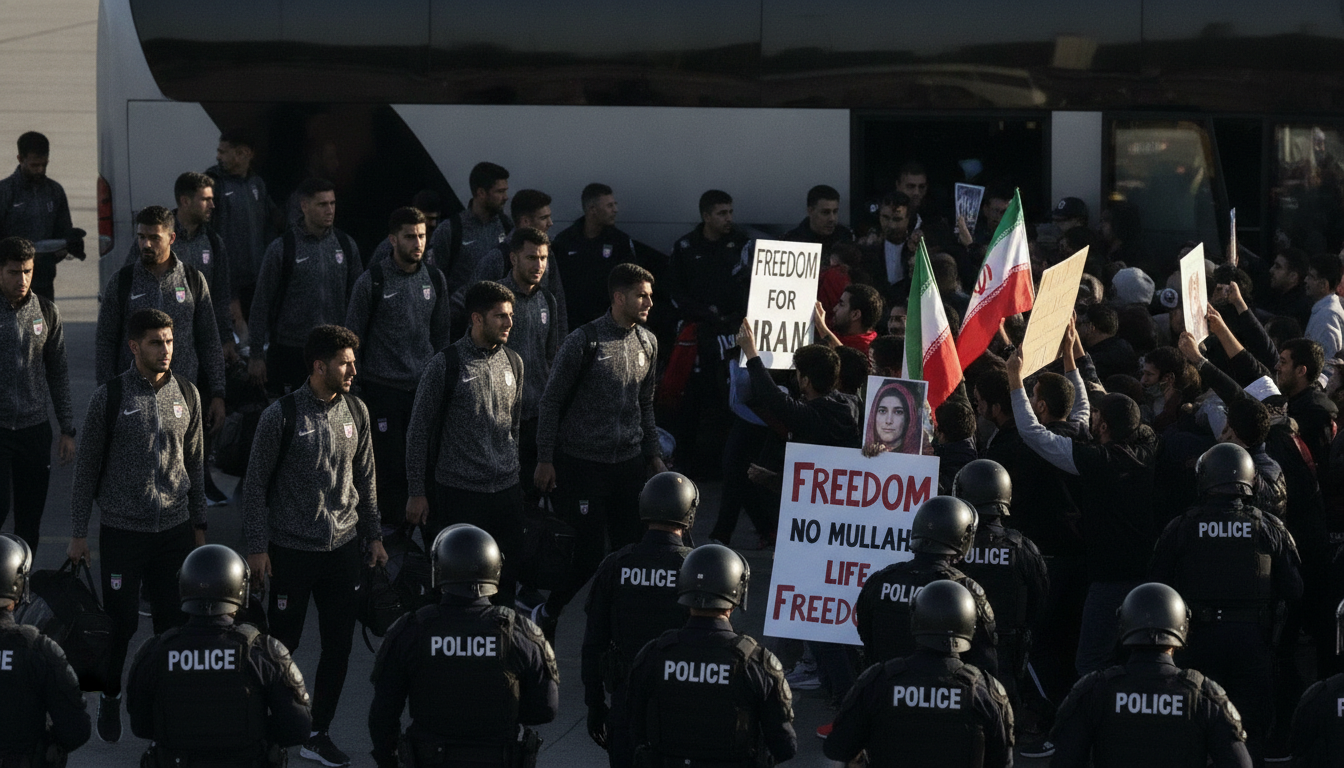
By mid-afternoon, local observers estimated several hundred protesters near stadium entrances, waving banners and chanting slogans against the Iranian government.
Organizers and fans described a charged atmosphere in which excitement for the tournament mixed with palpable political tension among community members.
Team flew in from Tijuana ahead of a politically charged arrival
The Iranian squad transferred to Los Angeles on Sunday after completing a training camp in Tijuana, Mexico, landing in the U.S. less than 24 hours before their first Group G fixture.
Players and staff arrived as news circulated of a diplomatic development described by officials as a deal to end the US-Iran war, a report that added another layer of context to an already fraught visit.
Federation officials have maintained a focus on preparing the team tactically for the match against New Zealand at 6pm local time, while managing the additional logistical demands that come with heightened public attention.
The compressed timetable left little room for public engagements, and the delegation concentrated its efforts on match readiness amid the surrounding controversy.
Protests center on anti-government messages and historic flags
Outside the stadium, protesters held anti-government placards and flags, calling attention to human rights concerns and ongoing crackdowns in Iran.
Some in the crowd carried the pre-revolutionary lion-and-sun flag — a symbol that opponents of the current regime use to express dissent — and vowed to bring those emblems into the stadium if necessary.
A number of Iranian Americans said they would boycott the match altogether, arguing that attendance could be read as tacit support for Tehran’s authorities.
Others indicated they intended to attend but planned to smuggle protest symbols into the venue to make private acts of dissent visible on a public stage.
Community torn between sporting pride and political protest
Los Angeles hosts one of the largest Iranian diasporas outside Iran, and long-standing displacement since the 1979 revolution has left the community deeply invested in both the national team and the country’s political future.
Fans described a split rarely seen at soccer matches: some urged fellow supporters to leave politics outside the stadium and rally behind the team, while others insisted that silence in the face of repression was unacceptable.
Several attendees spoke of an emotional conflict — pride in the players’ World Cup qualification coupled with anger and grief over state actions at home.
These conflicting impulses produced a tense but resolute environment in which individual fans made very different choices about whether and how to express their views inside and outside the arena.
Iranian federation issues warning about flags and chants
Iranian officials warned ahead of the match that they would take a hard line if unofficial flags were displayed or political chants erupted during play, saying such acts could jeopardize fixtures.
That position heightened anxiety among diaspora activists who feared the national team might react to protest actions or that authorities could seek sanctions if demonstrations escalated.
Stadium management and security staff prepared for a heightened protest presence, and organizers communicated protocols intended to keep fans and players safe on match day.
Authorities emphasized that peaceful expression would be allowed where it did not breach venue rules, while also reminding spectators that bringing prohibited items or engaging in disruptive behavior could have consequences.
Match details and broader tournament context
Iran will face New Zealand in the opening Group G fixture at 6pm local time, a match that marks Iran’s first appearance at the 2026 World Cup in Los Angeles.
For many spectators, the game represents both a rare sporting spectacle and an opportunity for diasporic communities to be seen on an international stage.
The contest will be watched closely not only for on-field developments but for how fans’ actions and statements play out in a high-profile setting.
Tournament officials and local authorities are monitoring the situation tightly, keen to ensure that the day’s sporting agenda proceeds without major incident.
The heated moments outside and the team’s arrival under political shadow illustrate how global sporting events can intersect with deep-seated domestic disputes.
Tonight’s match will test the capacity of organizers, fans and players to keep competition at the center while accommodating the diverse impulses of a large, politically engaged fan base.