China World Cup betting frenzy tops US$950m as state lottery sales surge
Mainland China sees a World Cup betting surge as The Football Lottery sales hit 6.8 billion yuan (about US$950 million) last week, driven by young bettors and unexpected match outcomes.


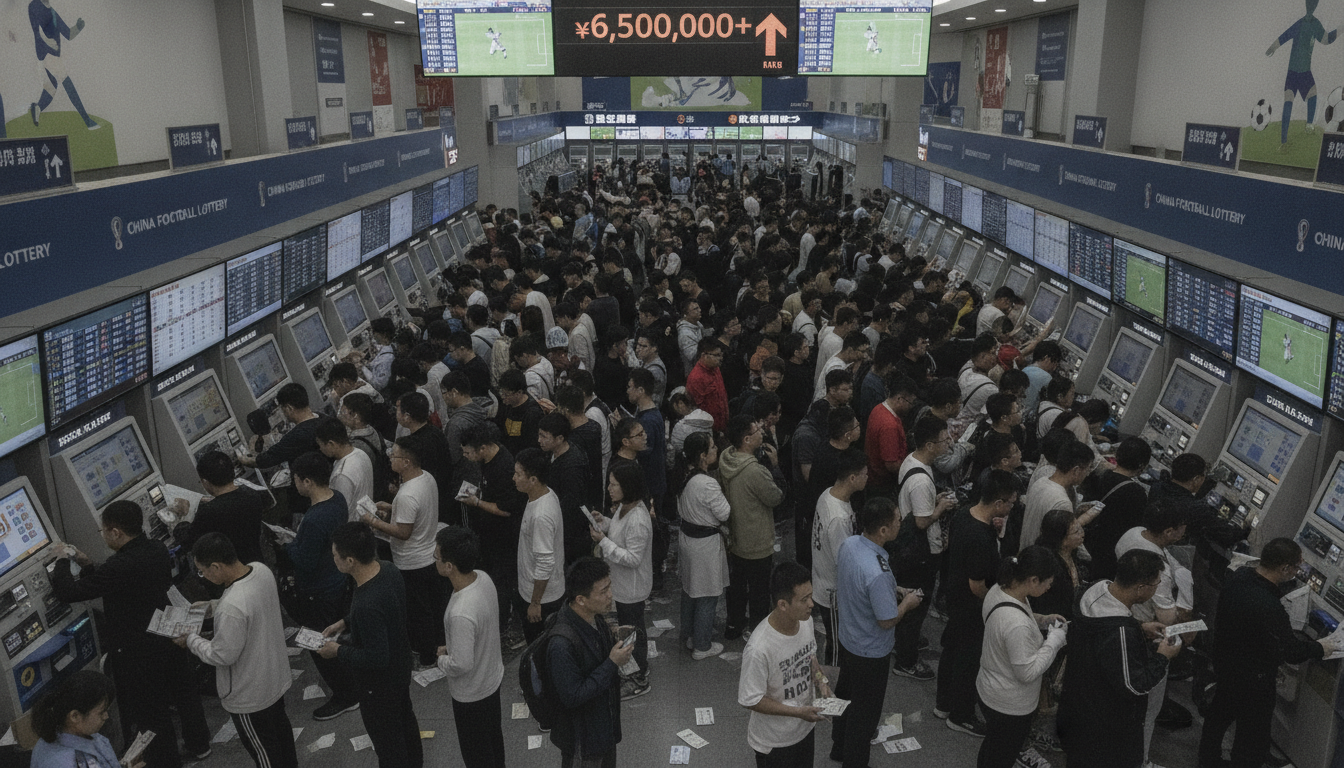
China’s World Cup betting frenzy has swept retail outlets across the mainland despite the national team’s absence from the tournament. Shoppers queued at state-run lottery shops, propelling a dramatic spike in Football Lottery purchases and daily takings in many stores.
Lottery sales reach 6.8 billion yuan in one week
The Football Lottery, part of the state-operated China Sports Lottery system, recorded ticket sales totaling 6.8 billion yuan in the most recent seven-day period. That figure equates to roughly US$950 million and represents an extraordinary concentration of wagering activity during a single week.
Industry observers and shop operators told reporters that the volume was unprecedented for a tournament in which China is not competing. The surge reflects both the magnitude of global interest in the World Cup and the appeal of the lottery’s varied betting formats to mass-market players.
Retail outlets report quadrupled daily revenues
Many betting outlets reported daily takings as high as 100,000 yuan, about four times their normal receipts for comparable periods. Store owners described sustained queues and a continuous turnover of customers throughout matchdays and into the evening.
Operators said the flow of customers was not limited to traditional bettors; it included office workers and younger adults stopping by after work to place quick bets. The combination of foot traffic and larger-than-usual wagers has translated into a clear revenue spike for brick-and-mortar vendors.
Young bettors and in-person odds boards fuel demand
Several reports highlighted the demographics driving the sales surge, noting visible clusters of younger customers studying printed odds boards and calculators inside shops. These patrons commonly mix multiple match selections into parlays in pursuit of larger payouts, a betting style that amplifies both potential returns and the frequency of losses.
Those placing wagers cited the increasing unpredictability of matches as another draw. Upsets and last-minute goals have convinced many to place frequent, smaller bets across a variety of markets rather than backing single outcomes, keeping them engaged throughout the tournament.
Prizes and betting options draw a broad audience
The Football Lottery offers a wide range of betting markets, from basic win-draw-loss outcomes to handicaps, exact scores and totals on goals. The variety allows casual fans to experiment with low-stake wagers while enabling more adventurous bettors to string together multi-leg bets for amplified odds.
Top prizes can be significant; some games within the state-run system carry maximum rewards up to 5 million yuan. That cap, coupled with high-profile match drama, has encouraged both one-off speculative bets and more disciplined attempts at long-shot parlays.
Surprising results have tripped up many bettors
A series of unexpected results has contributed to the frenetic betting atmosphere and also to frequent losses. Notable shocks included a goalless draw between Cabo Verde and Spain and a late winner by Caleb Yirenkyi for Ghana against Panama, outcomes that altered many punters’ accumulators in the closing minutes.
Bettors described the emotional rollercoaster of following matches in real time and watching picks evaporate with late goals or improbable scorelines. For many, the unpredictability is at once a source of excitement and a reminder of the volatility inherent in parlay-style wagers.
Economic ripple effects beyond lottery tills
The spike in lottery sales has had ancillary economic effects around outlets, with some stores reporting increased sales of snacks, drinks and small retail items as customers lingered to review odds. Local vendors in busy lottery districts said foot traffic translated into higher incidental spending during peak match periods.
At the same time, the concentration of disposable income on lottery tickets has raised questions about opportunity cost for households that are not accustomed to sizable gambling outlays. Economists and consumer advocates point out that sudden, tournament-driven spikes can distort short-term retail patterns without guaranteeing sustained growth.
Public concern and the regulatory backdrop
China’s sports betting market operates under strict state supervision, and The Football Lottery is one of the few legal channels for football wagering on the mainland. The lottery’s government oversight is intended to control gambling activity while channeling revenues into public causes and sports development.
Nonetheless, rapid increases in participation have prompted commentary from social observers and consumer groups warning about the potential for problem gambling. Authorities periodically issue reminders about responsible play, and some advocacy voices are calling for stepped-up education and monitoring during high-profile sporting events.
Fans and vendors alike say the current fervor shows few signs of abating while the tournament remains in full swing. Matches producing late drama keep retail outlets busy and sustain the high volumes that pushed weekly sales into the billions of yuan.
The World Cup-driven surge in The Football Lottery has underscored both the appetite for football betting in mainland China and the way unexpected results can amplify engagement. For shop owners, the bump in revenue is immediate and tangible, while for bettors it has been a season of excitement, near-misses and costly surprises.