LaLiga academy psychology forum urges recruitment limits and stronger safeguarding for youth players
LaLiga academy psychology forum called for limits on long-distance recruitment, improved safeguarding and family education, with clubs sharing practical player-care programs.


LaLiga holds inaugural forum on academy psychology
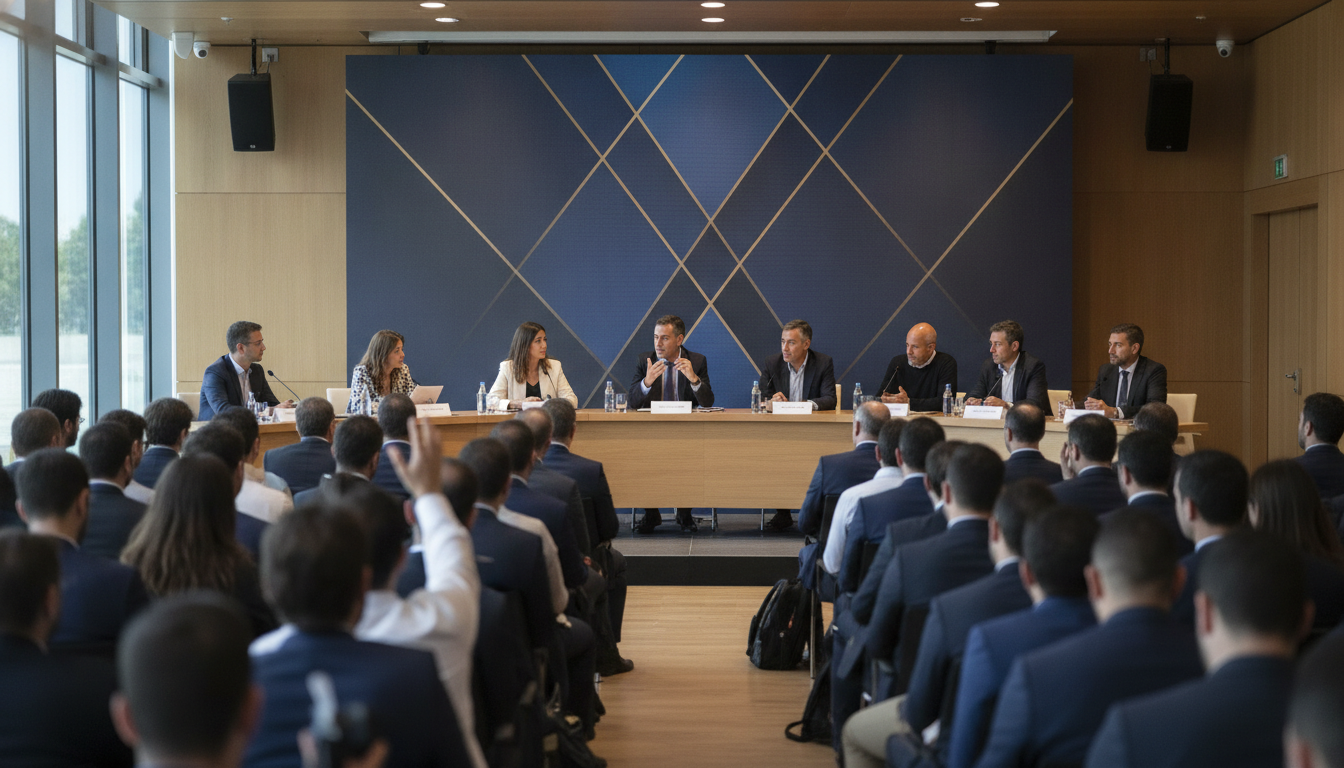
This week LaLiga convened the I Foro de Áreas de Psicología de Canteras at its headquarters to focus on LaLiga academy psychology and the holistic care of young players. Funded through the Plan de Canteras with CVC LaLiga Impulso support, the two-day meeting brought club psychologists and youth-care specialists together to exchange protocols and practical approaches. The agenda ranged from safeguarding and the integration of psychological services into academy structures to applied performance work and family engagement.
Calls to limit long-distance recruitment of minors
A recurrent theme was the need to curb early recruitment practices that uproot children from their communities. Representatives argued for clearer regulations, including geographic limits on signing minors to prevent clubs from drawing youngsters from distant regions. Club delegates said restricting moves to reasonable travel times — rather than recruiting across the country — would reduce social dislocation and better protect welfare.
Speakers from multiple academies described the long-term costs of relocating very young players, including loss of local support networks and difficulties in schooling. Delegates proposed policy options such as distance thresholds and stricter oversight of transfers involving minors. The debate framed recruitment reform as both a safeguarding measure and a way to preserve players’ broader development.
Safeguarding and addressing abuse in youth football
Protecting children from mistreatment was raised as a top priority by several participants, who described troubling patterns that require decisive action. Club safeguarding officers urged systematic monitoring and training for staff to detect and prevent abusive behaviours, and highlighted the outsized influence coaches can have on young players’ lives. Delegates stressed the importance of transparent reporting channels and independent oversight to ensure complaints are heard and acted upon.
Speakers also emphasized that safeguarding must be embedded in everyday practice rather than treated as an occasional checklist. Examples discussed included routine adult conduct training, clearer boundaries in dressing-room routines, and supervision protocols for one-to-one interactions. The consensus was that safeguarding must be proactive and continuous, not reactive.
Parents and family education as part of player care
The forum placed substantial emphasis on educating families, positioning parents as central partners in player development and welfare. Psychologists noted that many pressures on young athletes stem from family expectations and that clubs have a responsibility to support parents as well as players. Presenters advocated regular workshops, clear communication about realistic career pathways, and guidance on fostering a balanced identity beyond football.
Speakers shared practical approaches for parental engagement, including structured briefings when children join academies, ongoing counselling opportunities, and resources that help families manage transitions. Clubs reported that when parents understand the probabilities and demands of elite pathways, they can better support their children through setbacks and avoid projecting undue pressure.
Integrating psychology into training and competition
A major strand of discussion addressed how psychology teams can contribute to on-field performance and long-term development. Club psychologists argued for deep integration with coaching staffs to ensure consistent messages and coherent processes across age groups. Presentations covered assessment of team dynamics, emotional regulation strategies for coaches and players, and the timing of psychological interventions within training cycles.
Panelists described the value of knowing the coach’s philosophy and crisis management style to align support work with tactical and technical objectives. Several clubs outlined frameworks for embedding psychological skills in practice sessions so players repeatedly encounter and learn to manage frustration, decision-making under pressure, and adversity. This applied approach aims to produce behavioral transfer from training to competition.
Managing player exits: communication and support
How academies communicate that a player will not continue received detailed attention, with clubs sharing protocols designed to reduce harm at the point of release. Delegates acknowledged that no process can remove the emotional impact of being let go, but they stressed that timing, personalization and follow-up can mitigate harm. Examples included advance notice periods, delivery by familiar staff, and offering concrete next steps such as trials, education options or referral services.
Several academies reported using scheduled closures a month or more before the exit to provide a structured end-of-cycle experience. Staff described integrating psychological support and career guidance during that notice period to help players and families process the transition. The aim is to lower acute distress and to maintain dignity and future opportunities for those leaving the system.
Club-level programs and practical interventions
Delegates showcased a range of day-to-day initiatives designed to build resilience, social skills and perspective among youth squads. Examples ranged from team-building excursions and shared meals to creative activities such as writing letters or role-reversal exercises that foster empathy. Clubs described programmes where players act as referees for a day, or write to their injuries as part of rehabilitation, as ways to broaden experience and promote responsibility.
Speakers also highlighted inter-team activities that involve first-team players to normalize progression pathways and boost cohesion. Participants underlined the need for coherence across club policies — from contract lengths to coaching appointments — so that club values are reflected consistently for young players. The presentation of practical tools reinforced the forum’s aim to move from theory to replicable practice.
Professional recognition and the role of the psychologist in the staff
A recurring administrative theme was the professional standing of psychologists inside academy structures and the need to formalize their role. Delegates argued that psychology should be treated like other technical disciplines, with clear integration into staff workflows, appropriate remuneration, and participation in key meetings. Several speakers warned that if psychologists sit too closely to coaches without clear boundaries, trust with players can be compromised.
Presentations also called for higher standards of practice and ongoing professional development to ensure consistent quality across clubs. Attendees agreed that raising the level of provision — by clarifying responsibilities, sharing best practices and accrediting staff — would benefit player welfare and performance simultaneously. The forum signalled a push to consolidate psychology as an essential, recognized function within academy operations.
This LaLiga academy psychology forum provided a rare moment for technical staff to compare methods, identify risks and advance shared safeguards for young players. The discussions closed on a pragmatic note: while no single reform will solve every challenge, coordinated policies on recruitment, safeguarding, family education and the professional integration of psychology can materially improve outcomes for academy players.