Carlos Queiroz issues emotional farewell to Ghana after Black Stars exit
Carlos Queiroz farewell to Ghana: the former Black Stars coach posted a heartfelt message praising progress, urging structural reform, and thanking officials, players and fans.


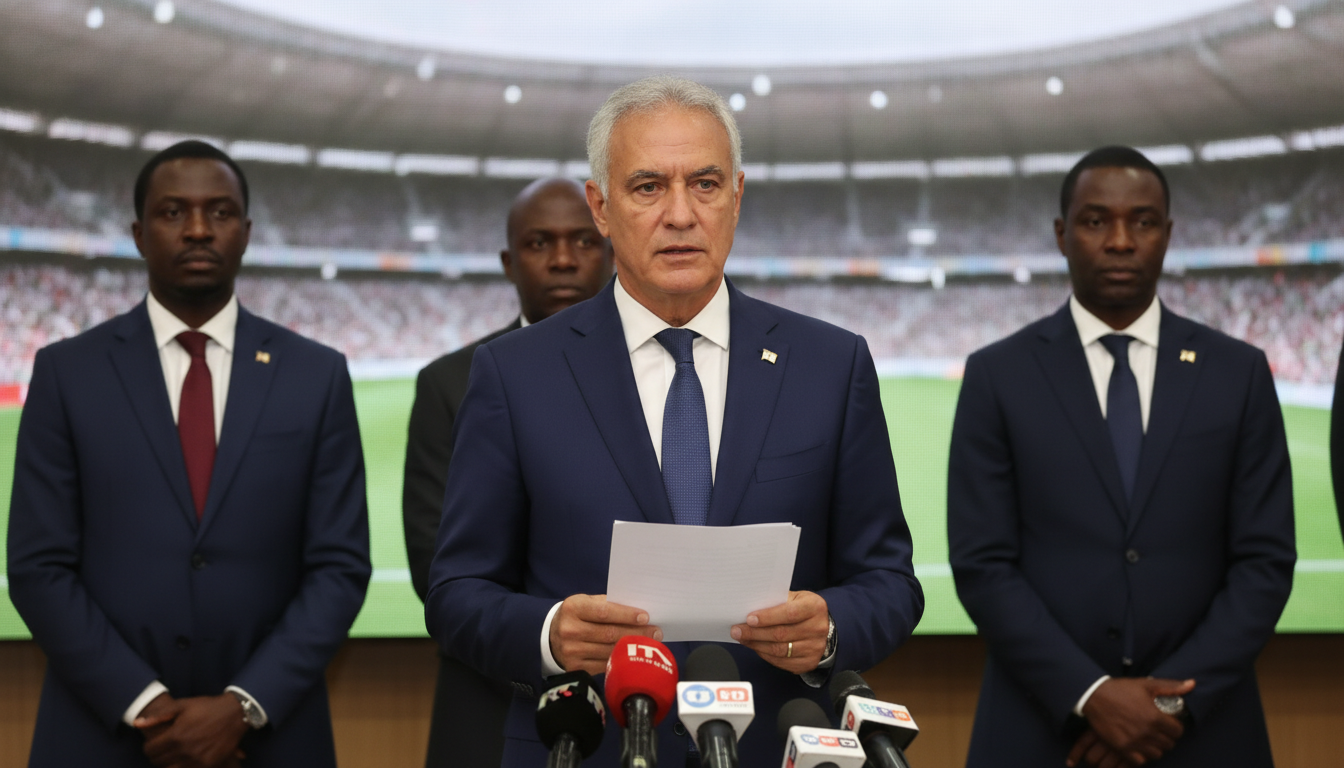
Former Black Stars coach Carlos Queiroz has issued an emotional public farewell to Ghana, describing his departure as a mix of pride and unfinished ambition. In a message posted on social media, Queiroz framed his exit as part of a broader lesson — “you either win or you learn” — and urged the nation to build stronger off-field structures to sustain long-term success. The coach said his time with the Black Stars restored credibility and respect on the international stage while leaving a clear challenge for administrators and stakeholders to continue the project.
Queiroz posts emotional farewell on social media
Carlos Queiroz opened his statement by reflecting on football’s life lessons and the values he hoped to leave behind. He said the experience in Ghana combined satisfaction at visible progress with a “healthy dissatisfaction” that drives further improvement. The message emphasized that reaching a higher level should not be an end point but the start of renewed ambition for Ghanaian football.
The coach used his farewell to express gratitude to those who supported him and to underline the personal significance of the role. He thanked the Ghana Football Association leadership, members of his technical staff and the players for their commitment. Queiroz framed his time with the Black Stars as an honor and a privilege, noting the emotional weight of representing one of Africa’s most storied national teams.
Call for stronger off-field structures to secure progress
A central theme of Queiroz’s message was the need to develop the right environment outside matches to protect and nurture talent. He argued that sustainable success requires investment in preparation, welfare and development systems rather than relying solely on short-term results. The coach stressed that success must be built on durable foundations — from youth development pathways to medical and logistical support.
Queiroz warned that without those structures, gains achieved on the pitch risk being temporary. He urged administrators and stakeholders to prioritize long-term planning that keeps players safe, improves training environments and encourages continuous technical and tactical growth. The implication was clear: improved administration and infrastructure are as crucial as coaching decisions in shaping Ghana’s future.
Acknowledgement to Ghana Football Association leadership
In his farewell, Queiroz singled out the Ghana Football Association’s president and board for giving him the opportunity to lead the national team. He thanked officials for the trust placed in him and for the chance to work with the Black Stars, describing the appointment as a significant responsibility. His remarks combined appreciation with an implicit hope that governing bodies would carry forward the reforms he believes are needed.
Queiroz also used the moment to remind decision-makers of the role they play in creating a competitive national programme. He suggested that continued cooperation between coaches, federation officials and domestic clubs will be necessary to realize sustained progress. The coach’s message therefore read as both a thank-you and a nudge toward accountability and strategic planning.
Praise for players, technical staff and professional standards
Throughout his note, Queiroz praised the professionalism and courage shown by the players and his coaching staff during his tenure. He highlighted their dedication and the standards they maintained in training and competition. According to the coach, those efforts were central to restoring respect for the Black Stars on football’s biggest stages.
He also acknowledged the emotional and physical demands placed on the squad, commending players for representing the national colours with pride. Queiroz framed their work as foundational to the team’s recent achievements and urged them to continue developing individually and collectively. That endorsement of the playing group was coupled with a call for systems to help them perform consistently at the highest level.
Message to supporters on pride and unfinished business
Queiroz addressed Ghanaian supporters directly, admitting that the team did not attain complete sporting satisfaction but asserting that the players honoured the nation and reclaimed respect. He thanked fans for their backing and asked that they remain patient as the next phase of development unfolds. His closing line — “The journey starts now” — was both a farewell and a forward-looking appeal.
The coach’s words sought to balance realism with optimism: he recognized shortcomings while insisting that progress had been made and that the foundation for future success exists. For supporters, the message was intended to preserve trust and encourage collective investment in the next generation of players.
Legacy and challenge for Ghanaian football stakeholders
Queiroz framed his departure as the end of a chapter and the start of a new responsibility for Ghanaian football stakeholders. He left behind a set of recommendations in spirit if not in explicit technical detail, calling for renewed focus on talent protection, development and administration. The coach’s public appeal places pressure on the federation, clubs and policymakers to translate his vision into concrete action.
His legacy, as presented in the farewell, is twofold: immediate restoration of credibility on the international stage and a longer-term mandate to strengthen the structures that underpin national success. The onus now falls on domestic institutions to convert that mandate into durable programmes that can produce consistent results and safeguard player welfare.
Queiroz’s message also raises questions about succession and continuity for the Black Stars’ technical programme. The next coaching appointment and the federation’s approach to stakeholder collaboration will be closely watched by fans and analysts alike. How quickly the GFA acts and whether it embraces the structural recommendations will determine whether the momentum maintains speed or dissipates.
The broader football community in Ghana will likely weigh the balance between immediate international ambitions and the patient work of system building. Queiroz’s call for foundations off the pitch points toward investment in coaching education, youth academies, sports science and governance reforms. Those areas will be central to whether Ghana can turn periodic success into sustained continental and global competitiveness.
Queiroz’s departure marks a transition that will test the federation’s strategic capacity. The coach’s public statements have left a clear set of expectations: maintain higher standards, protect talent, and treat development as an enduring priority. The speed and seriousness with which those expectations are addressed will shape the Black Stars’ trajectory in the coming years.
Thank you, Ghana. The journey starts now.