Les Bleus and French Identity: 2026 World Cup Squad Reignites Debate Over Who Represents France
Deschamps’s 2026 France squad reignited debate over immigration and national identity as Les Bleus’ diversity prompts questions about who represents France.


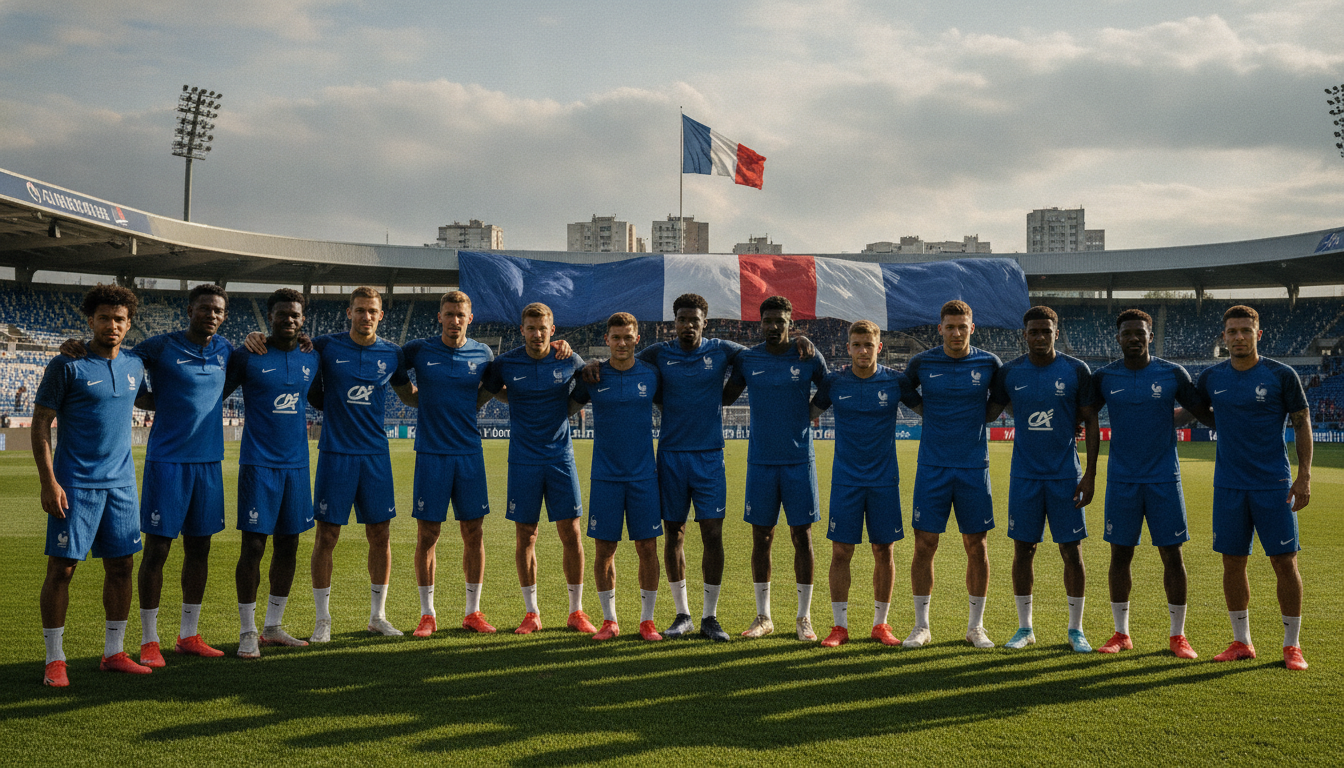
France’s squad announcement for the 2026 World Cup set off a familiar national conversation about identity and belonging. When Didier Deschamps named his starting XI and broader squad, critics and commentators quickly turned from tactics to questions about whether the team can universally represent France. The debate over who represents France mixes sport with politics, history and a national story that remains unresolved for many citizens.
Deschamps’s 2026 XI and the immediate backlash
When the manager revealed his selections this summer, social media and pundits were as focused on the players’ backgrounds as on their form. Observers noted that multiple squad members trace their roots to France’s overseas territories and former colonies, prompting commentary about representation more than performance. Deschamps defended his choices by saying the national team reflects both contemporary French society and its historical ties, but his remark only intensified public scrutiny.
The reaction illustrated how every major tournament becomes a mirror for wider societal arguments. Supporters of the squad argued the selections were based on merit and the best available talent, while critics framed the issue in terms of cultural familiarity and national image. That split, volatile and recurring, shows how football can amplify debates that extend far beyond the pitch.
A team shaped by migration and state investment
The composition of France’s national pool did not appear overnight; it is the product of decades of demographic change and policy choices. Postwar and late-20th-century migration from former colonies concentrated large communities in suburban and urban districts around major cities. Those neighborhoods became focal points for talent as young people turned to football for recreation and opportunity.
Public investment and federation-led initiatives from the 1980s onwards expanded grassroots coaching, facilities, and scouting networks in these areas. The result has been a robust pipeline of players developed within the French system, many of whom rose from modest circumstances to professional ranks. That institutional pathway helps explain why so many elite footballers in France come from migrant-background families.
The suburbs as talent incubators
For many players, local clubs and municipal training centers offered a structured alternative to social marginalization and economic hardship. Football clubs in working-class districts provided affordable access to coaching, competition, and visibility in front of scouts from professional academies. Those pathways translated into career mobility for players and helped cement certain districts as recognizable talent factories.
The concentration of resources and attention on these neighborhoods also created a dense scouting network that feeds top-level clubs and national youth teams. Over time, this ecosystem produced a disproportionately high number of world-class players who were born and trained in France but whose family histories span multiple continents. That reality has made the national team a visible expression of how football and social policy intersect.
Colonial history and competing national narratives
The questions about who ought to represent France are rooted in longer historical forces than contemporary football. France’s colonial past reshaped both the populations it governed and the metropolitan identity of the republic. Migration from former colonies, returning citizens from overseas territories, and transnational links created a French population whose cultural and ethnic makeup diverges from older, idealized images.
Two competing narratives persist in public life. One leans on an imagined pre-colonial, homogenous France, and seeks symbolic continuity with a predominantly white national image. The other recognizes France as a modern, hybrid society shaped by imperial history, migration and universalist republican ideals. The clash between these views repeatedly surfaces in moments when national identity is put on display, and football provides one such high-profile stage.
France’s global talent footprint at the 2026 tournament
Beyond domestic debate, the 2026 World Cup underscored France’s role as a major developer of international talent. A significant number of players born and trained on French soil represented other national teams at the tournament, illustrating the transnational consequences of France’s development system. While some athletes wear the Les Bleus jersey, many more choose to represent countries tied to their heritage, reflecting personal, familial or sporting calculations.
That dynamic complicates simple narratives about national representation. It highlights both France’s success in producing players and the porous nature of modern nationality in football. The transfer of talent onto other national squads has economic, cultural and sporting implications, and it feeds debates at home about whether the national team truly mirrors the nation or serves as a narrower symbol.
What the recurrent debate reveals about French society
The cycle of celebration and contestation around the national team says as much about France as it does about football. When Les Bleus triumph, their image is often invoked as proof of a successful, multicultural republic; when they falter, critics revert to questions about loyalty, identity and perceived cultural fit. Those swings reveal an unresolved national conversation over who belongs and how belonging should be signalled.
Much of the intensity stems from a tension between republican universalism and the lived realities of cultural difference. The republic’s formal ideal treats all citizens as equal, but cultural recognition and symbolic representation remain uneven. National teams, by their visibility, become a proxy for those unresolved issues and provoke debates that policy alone has yet to settle.
The 2026 World Cup episode is a reminder that sporting selection can trigger deeper introspection about the republic’s past and future. Whether through media commentary, fan reactions, or political rhetoric, the question of representation will continue to recur whenever the national team takes the field. For now, Les Bleus remain both a sporting project and a national mirror, reflecting achievements and tensions alike.
The controversy around the squad highlights the need for deeper public discussion about identity, integration and memory in France.