Mbwana Samatta retirement prompts calls from former stars to stay for 2027 AFCON
Former internationals urge Mbwana Samatta to reverse his international retirement as Tanzania prepares to co-host the 2027 Africa Cup of Nations ahead of 2027’s build-up.


Samatta’s shock retirement announcement
Mbwana Samatta this week announced his retirement from international football, bringing to an end a 15-year career that included a decade as captain of the Taifa Stars.
The decision has reverberated through Tanzanian football, prompting immediate reactions from former teammates, club officials and supporters who view Samatta as the country’s leading football figure.
Former Taifa Stars players Steven Nemes and Bakari Malima publicly urged Samatta to reconsider, arguing his leadership and international experience remain vital as the nation prepares to co-host the 2027 Africa Cup of Nations.
Both men framed the retirement as poorly timed, saying the transition of influence and institutional knowledge ahead of a major continental tournament will be difficult without Samatta’s continued presence.
Former internationals make public plea
Steven Nemes, a former Taifa Stars and Simba SC goalkeeper, described the timing of Samatta’s decision as unfortunate and called on the Tanzania Football Federation and other stakeholders to intervene.
Nemes emphasized that every nation relies on a generational figure to inspire young players, comparing Samatta’s role for Tanzania to global icons in other countries and urging collective efforts to change the striker’s mind.
Bakari Malima, a former Taifa Stars defender, said he and a group of ex-players planned to speak with Samatta personally in hopes of persuading him to delay retirement until after the 2027 tournament.
Malima stressed that replacing a captain with Samatta’s international experience and influence would not be straightforward, and that veteran players can contribute on and off the pitch by mentoring emerging talent.
What Samatta means to Tanzanian football
For many Tanzanian fans and football officials, Samatta has been both a leading scorer and a symbol of a rising national programme.
His career — which included spells across clubs in the Democratic Republic of Congo, Belgium, England, Turkey and France — is frequently cited as the template for players seeking to use domestic success as a springboard to higher-profile leagues.
Beyond goals and appearances, Samatta’s decade as captain provided continuity through coaching changes and tournament qualifying cycles, giving younger teammates a steady reference point in high-pressure matches.
His visibility abroad and status at home have combined to make him a commercial and cultural touchstone for the sport in Tanzania, a fact former players say magnifies the loss if he departs the national team ahead of 2027.
Implications for Tanzania’s 2027 AFCON preparations
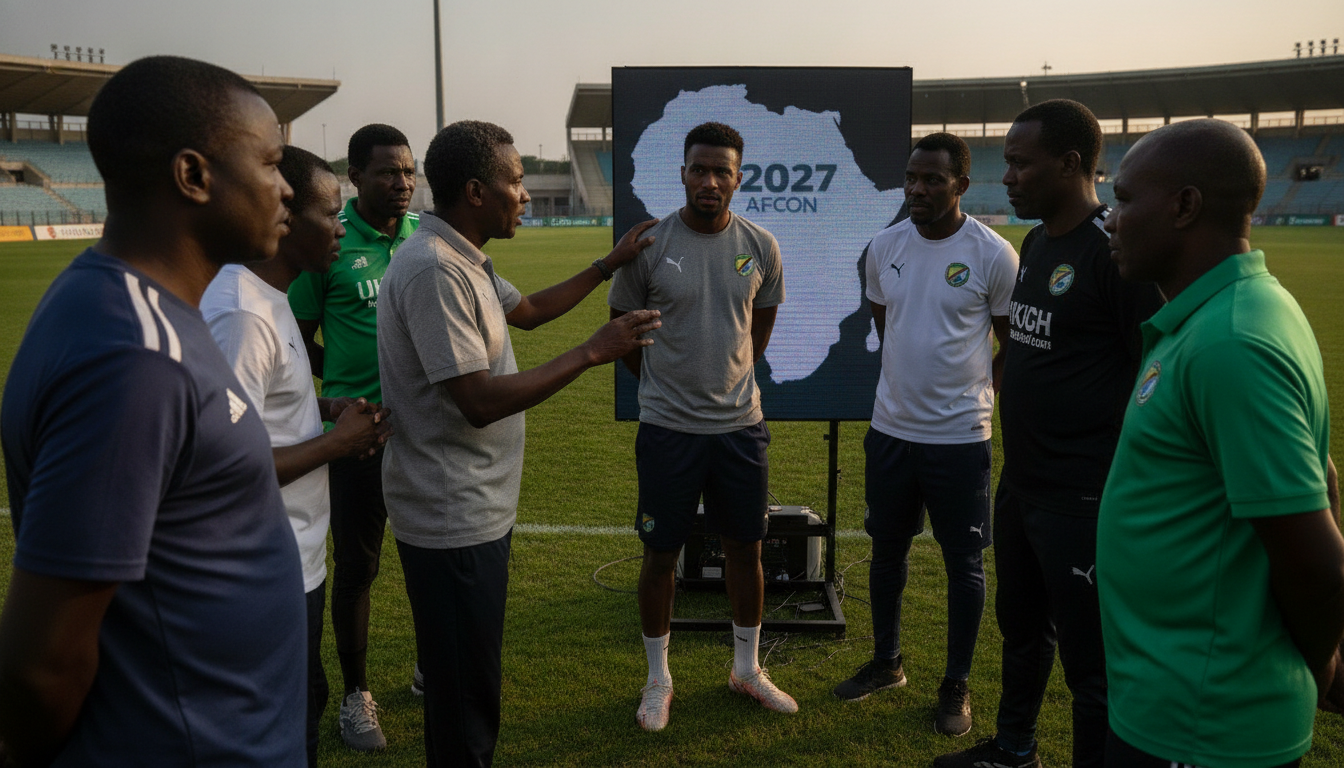
Tanzania’s role as a co-host of the 2027 Africa Cup of Nations raises the stakes around squad selection, leadership structure and public expectations heading into the tournament.
With hosting duties come demands to field a competitive team that can harness home advantage, and experienced leaders are often viewed as essential to navigating the pressure that accompanies continental tournaments.
Former players and some federation insiders argue that Samatta’s presence could be decisive in building a cohesive squad and transferring match-day composure to younger players.
They point to the mentoring role veteran internationals provide at camp and during qualifiers, tasks that are difficult to replicate solely through coaching staff or administrative support.
Pressure on the Tanzania Football Federation and stakeholders
The calls from Nemes and Malima directly appeal to the Tanzania Football Federation and other football stakeholders to open a dialogue with Samatta about postponing his retirement.
Former internationals suggested a coordinated approach, combining incentives, a clear role within the squad for 2027, and assurances about his status to encourage a change of heart.
Federation officials will face competing priorities if they choose to engage: managing team renewal while also making a public case for veteran retention in the build-up to a high-profile AFCON.
How the TFF responds could set a tone for football governance in the country, testing whether institutional efforts can influence individual decisions tied to personal career plans and family considerations.
Succession planning and the next generation
If Samatta’s retirement stands, the Taifa Stars will need a clear and credible succession plan that blends leadership with on-field effectiveness.
That process would require identifying a new captain or leadership group, accelerating the development of promising forwards, and ensuring that tactical systems do not rely heavily on a single figure.
Former players advocating for Samatta’s continued involvement also outlined ways veteran stars can transition into mentoring and advisory roles that strengthen squad culture without necessarily sustaining full playing minutes.
Such arrangements, if negotiated, could offer a compromise that preserves Samatta’s influence while allowing the national side to invest in long-term player development.
Tanzania now faces a choice between urging an experienced leader to delay retirement for the national interest or accepting a generational handover that will demand rapid adaptation from coaches and rising talents.
Either path will shape the country’s preparations for the 2027 Africa Cup of Nations and influence how Tanzanian football balances short-term tournament goals with the need to build a sustainable programme.
The debate over Mbwana Samatta’s international future highlights broader questions about leadership, legacy and strategy in national teams preparing to host major tournaments.
As former internationals press their case, the coming weeks are likely to reveal whether persuasive appeals from ex-players and federation interventions can alter a captain’s decision that has already drawn national attention.