German FA refuses to back Infantino re-election amid Balogun red-card fallout
German FA refuses to back Gianni Infantino’s re-election, citing fallout from the Folarin Balogun red-card controversy and alleged political interference.


Gianni Infantino’s bid for a third term at FIFA has been met with a formal rebuke from the German Football Association, which declined to sign a nomination letter that would have put him forward for re-election. The refusal, announced publicly by the DFB leadership, explicitly references concerns raised after the Folarin Balogun red-card episode and the subsequent scrutiny around contacts with political figures. The move represents a rare public distancing between a major European association and the sitting FIFA president and comes as Infantino appears to retain broad support among other continental federations ahead of the March 2027 presidential vote.
DFB declines formal endorsement
The German Football Association opted not to append its name to a collective letter proposing Gianni Infantino for another four-year term at FIFA.
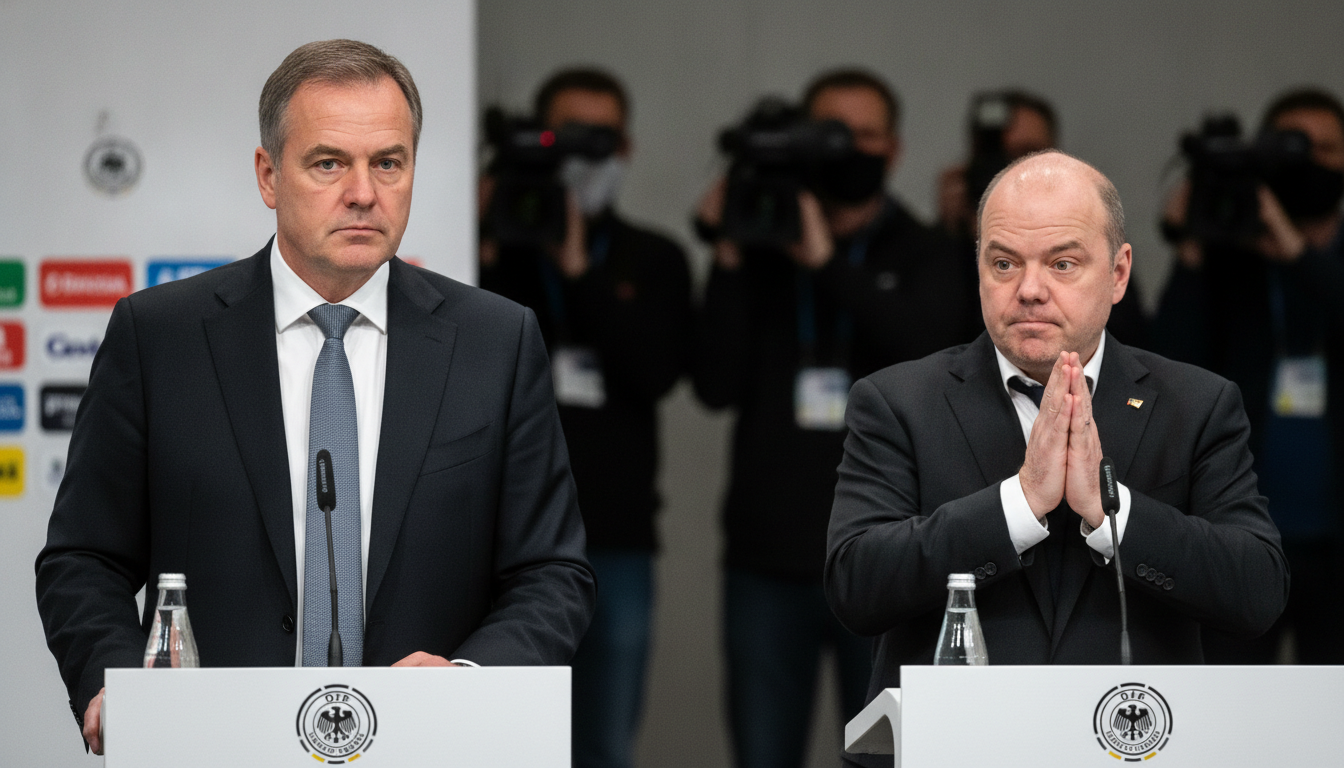
DFB officials say the decision reflects unease among the association’s leadership rather than a formal campaign against the incumbent, and the refusal was framed as a procedural choice in light of recent events. The association’s move breaks with what would otherwise be a predictable pattern of national federations signing onto multi-association endorsements ahead of a FIFA election.
Neuendorf distances himself from Infantino
Bernd Neuendorf, the president of the German FA, has publicly signalled a separation from the FIFA president following the controversy that surrounded the U.S. national team’s last-16 match. Neuendorf’s comments and the DFB’s refusal to sign the nomination letter underline a level of discomfort with how the matter was handled by football’s governing bodies.
Sources within the DFB indicate the association is concerned about governance and the optics of political involvement in disciplinary processes, and those concerns informed the decision not to formally back Infantino. The stance does not equate to a declaration of support for any alternative candidate but does mark a notable diplomatic shift ahead of the 2027 presidential contest.
Details of the Balogun incident and political contact
The dispute began after a red card shown to forward Folarin Balogun was later rescinded, a decision that drew intense attention because it affected the United States’ progression in a major international tournament. The reversal of the suspension followed a disciplinary review that many viewed as unusual in its speed and outcome.
The situation intensified when it emerged that a senior political figure had contacted the FIFA president to discuss the case, triggering questions about the boundaries between sport governance and state actors. That revelation prompted criticism from some national federations and supporters who argued disciplinary decisions must be insulated from external pressure to preserve the integrity of the game.
Continental federations maintain support for Infantino
Despite the German FA’s refusal to sign the endorsement, federations across Africa, Asia and South America have publicly signalled their intention to support Gianni Infantino for a further term. Those regional pledges have left the incumbent in a strong position ahead of the presidential election scheduled for March 2027.
FIFA’s electoral process gives significant weight to the backing of continental confederations and their collective votes, so endorsements from multiple regions create a formidable advantage for an incumbent. Observers note that while national federations’ reservations can complicate campaign narratives, the aggregated support from large blocs often determines the outcome in FIFA presidential races.
Potential impact on FIFA governance and relations
The DFB’s decision to withhold a signature is likely to reverberate in governance discussions both inside and outside FIFA, raising questions about transparency, due process and the role of national associations in policing the sport’s institutions. Germany is one of world football’s most influential national federations, and its distancing could prompt further scrutiny of disciplinary mechanisms and communications protocols within FIFA.
At the same time, the practical effect on Infantino’s re-election prospects may be limited if the current coalition of continental federations holds firm, but the incident has increased public and member association scrutiny of procedural fairness. National bodies elsewhere will be watching how FIFA responds to concerns about political contacts and the clarity of its rules to determine whether similar statements of unease are warranted.
Road to the March 2027 vote
With the presidential election set for March 2027, the coming months will be crucial for both the incumbent and any potential challengers to consolidate support and define narratives around governance, transparency and the future direction of global football. Campaign activity typically intensifies in the year before the vote as federations weigh regional interests, development funding and strategic priorities.
The DFB’s action signals that a portion of Europe’s football leadership is prepared to publicly register concern about FIFA’s handling of sensitive matters, which could shape debate at upcoming congresses and forums. The election calendar gives national associations time to reassess positions, and the manner in which FIFA addresses member concerns between now and the vote may influence how many associations ultimately commit their support.
The German FA’s refusal to sign the nomination letter places the federation on record as wary of the immediate circumstances surrounding Infantino’s tenure, while broader regional endorsements leave the incumbent well positioned for re-election. How FIFA responds to governance questions and whether other major national associations follow Germany’s lead will be central to the sport’s political landscape in the run-up to March 2027.