American college soccer sends 25 players to the 2026 World Cup squads
American college soccer helped develop 25 players across six nations for the 2026 FIFA World Cup, highlighting the NCAA and junior college systems as influential talent pipelines for international football.

American College Soccer’s Contribution to the 2026 World Cup
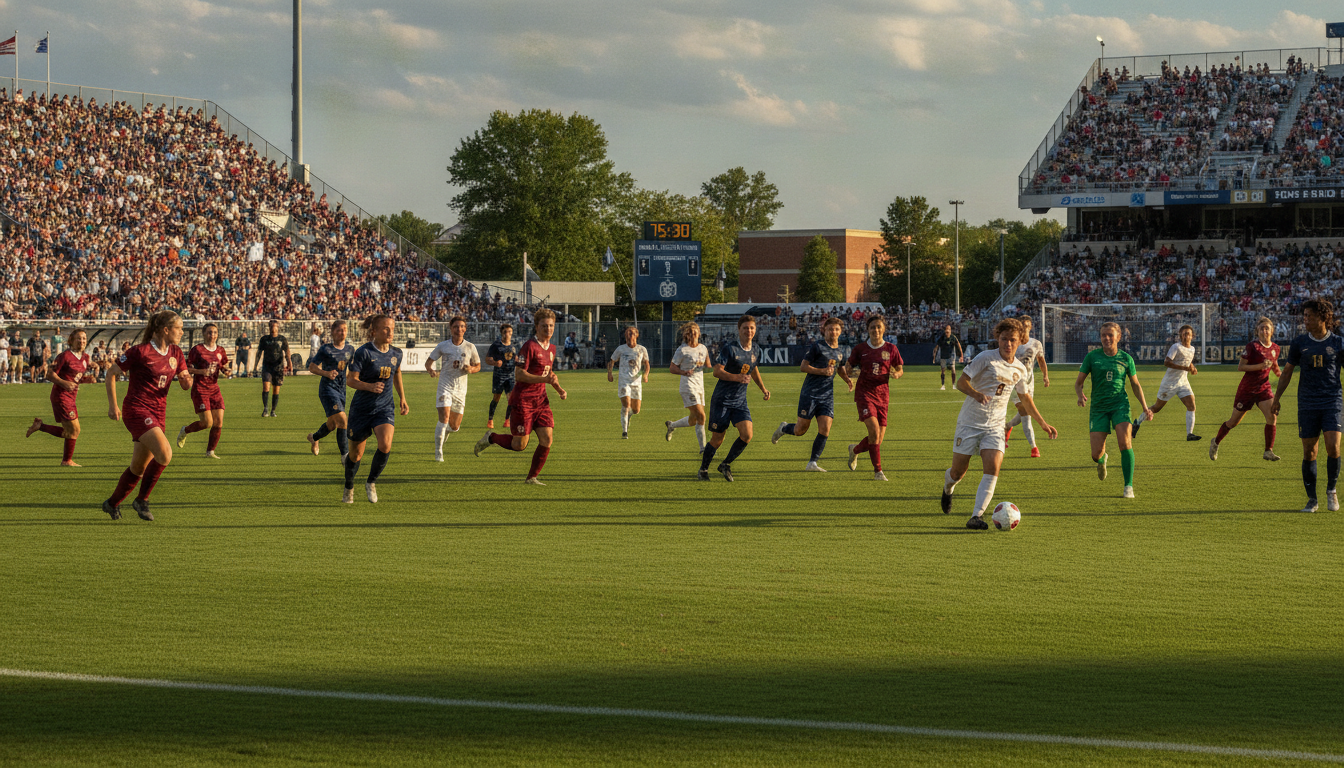
American college soccer supplied at least one season of development to 25 players named on World Cup rosters, a figure that underscores the system’s reach beyond domestic borders. Those players represent six nations, spanning household names and lesser-known internationals who used collegiate competition to sharpen their skills and secure professional opportunities. The 2026 tournament will therefore serve as a visible benchmark for how U.S. college programs continue to prepare players for elite international competition.
Colleges provided a range of environments: elite Division I programs with national exposure, mid-major conferences that produced standout defenders and goalkeepers, and junior college routes that led directly into professional drafts. Several players parlayed decorated college careers into Generation Adidas contracts, homegrown MLS deals, or high MLS SuperDraft selections, while others left college early to sign abroad. The variety of trajectories demonstrates the adaptability of the American system to different technical, physical and academic needs.
U.S. Internationals Who Came Through College Programs
Among the U.S. contingent are several World Cup representatives with clear collegiate pedigrees, including long-serving professionals and recent breakout stars. Tim Ream’s four seasons at Saint Louis provided the foundation for his steady climb to international leadership and a long career in Europe and MLS. Similarly, defenders such as Miles Robinson and Mark McKenzie used dominant college minutes to springboard into MLS and then earn national team call-ups.
Midfielders and forwards like Max Arfsten and Cristian Roldan combined strong collegiate production with rapid professional progression, turning notable college seasons into homegrown or Generation Adidas contracts. Goalkeeper Matt Turner’s story remains emblematic of the college-to-pro pathway; a former walk-on who accumulated national attention through consistent performances at Fairfield before establishing himself at the highest levels. Those cases illustrate how U.S. college soccer still functions as a reliable route to the national team, especially for players who mature later or require structured academic-athletic balance.
Canada’s Heavy Reliance on U.S. Collegiate Development
Canada’s World Cup squad features a particularly deep cohort of players who spent meaningful time in American college programs, emphasizing cross-border talent flow. Strikers and attackers such as Cyle Larin and Tajon Buchanan used productive college seasons at Connecticut and Syracuse respectively to catch the eyes of MLS scouts and secure early professional contracts. Larin’s early collegiate goalscoring and Buchanan’s two-year burst are examples of strikers refining finishing and match sharpness in NCAA competition.
Defensive and utility players including Alistair Johnston and Dayne St. Clair illustrate how college roles can evolve; Johnston transitioned positions between St. John’s and Wake Forest before becoming a pro right back, while St. Clair developed from backup to championship-winning starter at Maryland. Canada’s reliance on collegiate-trained players also includes less linear paths, such as Moise Bombito’s route through junior college and a single season at New Hampshire, which culminated in a high MLS draft pick. Together, these profiles highlight the U.S. college system as a primary development avenue for many Canadian internationals.
Smaller Nations Found Talent in U.S. Classrooms
For nations outside the traditional powerhouses, American college soccer proved an accessible and effective development platform that supplied international-ready talent. New Zealand’s Joe Bell and Michael Boxall are notable alumni whose collegiate success preceded consistent international impact, while young prospects like Jesse Randall used a single outstanding freshman year to launch professional careers back home. Those players demonstrate how college competition in the United States offers structure, exposure and coaching that smaller federations can leverage.
Haiti’s presence in the World Cup also includes several college-developed players whose NCAA performances were pivotal to their professional ascents. Frantzdy Pierrot’s scoring at Coastal Carolina and Derrick Etienne Jr.’s year at Virginia are examples of players who used collegiate minutes to sharpen their attacking instincts. Duke Lacroix’s four-year Ivy League consistency illustrates an alternative template where a sustained college career, even outside Power Five conferences, can translate into long-term professional and international opportunities.
College Pathways From JUCO to College Cup Stars
The diversity of collegiate routes among the 25 World Cup players is instructive: some followed the traditional four-year Division I arc, while others progressed through junior college or split time between programs. Moise Bombito’s progression from Canada to Iowa Western Community College and then New Hampshire exemplifies how JUCO competition can bridge a player from obscurity to national draft consideration. Similarly, players who transferred—Alistair Johnston and Frantzdy Pierrot among them—used changes in environment to refine positions, earn conference honors and draw professional interest.
College accolades often translated into distinct professional advantages, including Generation Adidas contracts or high SuperDraft positions that accelerated entry into MLS and beyond. Players who earned conference defensive or offensive awards carried clear resumes into trials, drafts and homegrown deals. At the same time, several college standouts left school early for professional opportunities, signaling a continuing tension between college completion and seizing a narrow window for professional advancement.
What Clubs and Scouts Take From These College Careers
Clubs and scouts increasingly view American college soccer as a complementary scouting ground rather than a last resort, especially for players whose physical and tactical profiles mature later. Talent evaluators value the competitive minutes, academic discipline and coaching continuity that the collegiate system provides, particularly for defensive players and goalkeepers who benefit from extended development windows. MLS franchises, European clubs and national team staffs have all demonstrated willingness to recruit both directly from college and from MLS teams that signed college graduates.
The patterns emerging from the 2026 rosters suggest a nuanced scouting approach: high-potential attackers are often fast-tracked when they demonstrate production, while defenders and goalkeepers are typically cultivated through longer college tenures. The presence of Generation Adidas signees and homegrown players on World Cup lists validates the league-to-national-team pipeline but also underscores college soccer’s enduring relevance as a complementary channel. For talent developers, the lesson is clear: a player’s pathway can be highly individual, and college structures remain an important component of the global talent ecosystem.
American college soccer will be on display throughout the tournament as coaches and fans track which collegiate alumni can influence the biggest stage. The 25 players who matriculated through U.S. programs represent a cross-section of pathways, backgrounds and outcomes, offering a practical case study for coaches, scouts and young players weighing the college option. In the months and years ahead, both domestic programs and international federations will assess how these developmental stories translate into sustained success at club and national level.