CRDB Nanauka Cup 2026: Mtwara tournament uncovers 20 prospects as Deputy Minister urges nationwide grassroots football
CRDB Nanauka Cup 2026 in Mtwara produced 20 prospects handed to TFF, Deputy Minister urges constituencies to stage grassroots football tours to grow talent.


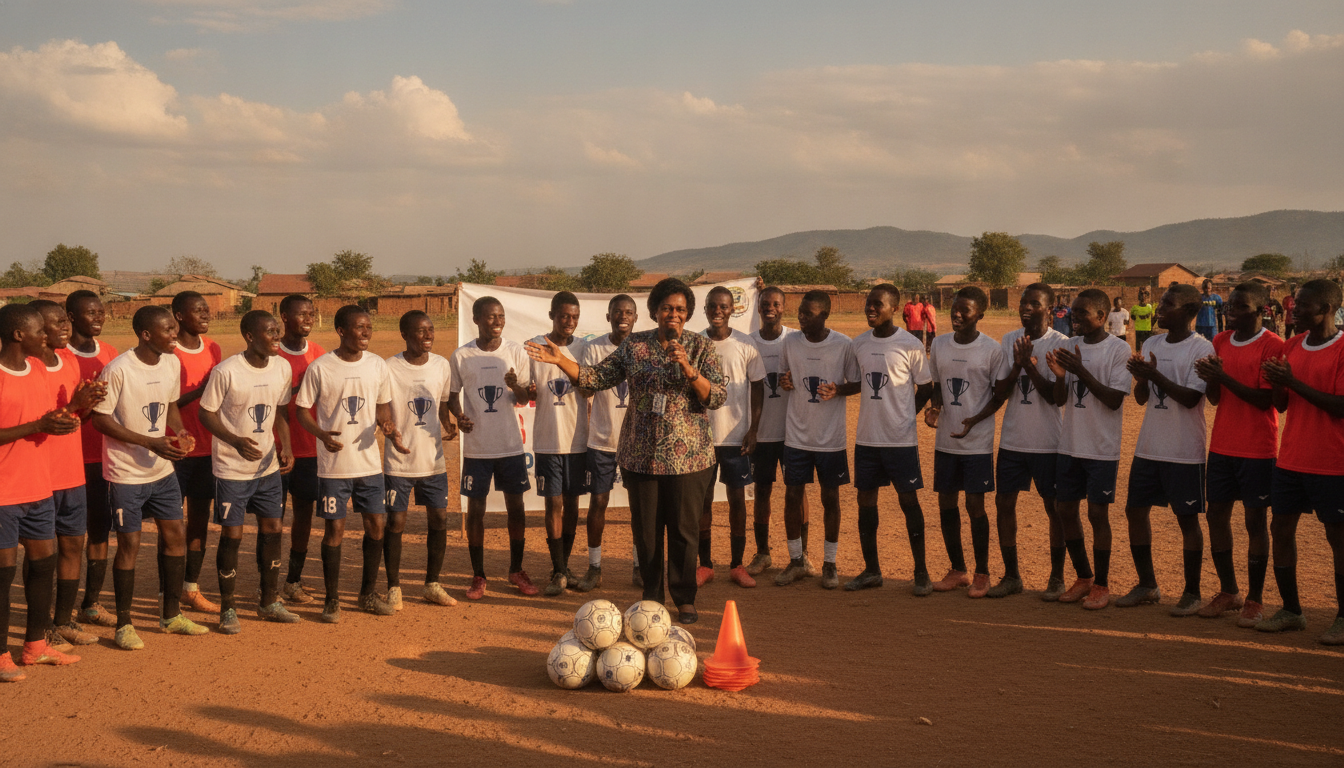
The CRDB Nanauka Cup 2026 in Mtwara concluded with organisers identifying 20 young players to be referred to the Tanzania Football Federation for further development. Deputy Minister for Information, Arts, Culture and Sports Hamisi Mwinjuma used the closing ceremony to call on leaders across Tanzania to replicate the tournament model. The month-long contest drew 18 teams and thousands of supporters to Nangwanda Sijaona Stadium, showcasing local enthusiasm and a pipeline of emerging talent.
Deputy Minister frames Mtwara event as a blueprint for constituencies
Hamisi Mwinjuma told attendees that the Mtwara competition should be a template for constituencies nationwide. He argued that regular grassroots tournaments are essential to uncovering players who might otherwise go unnoticed and to generating local employment. Mwinjuma linked sport to social cohesion and economic opportunity, urging officials to prioritise community-level events as an investment in the country’s future.
Organisers confirm 20 players to be fast-tracked by TFF
Tournament organisers announced that 20 standout performers will be handed over to the Tanzania Football Federation for further assessment and training. Officials said the selections followed systematic scouting by coaches and technical observers over the month-long schedule. The handover signals a formal pathway from community football into national development structures, according to the organisers.
Structure and scale: 18 teams, 52 matches, month-long competition
The CRDB Nanauka Cup 2026 featured 18 teams representing wards across the Mtwara Urban Constituency and produced 52 competitive fixtures. Matches were staged at Nangwanda Sijaona Stadium, with the schedule spread across four weeks to allow for recovery and assessment. Organisers described the format as deliberately inclusive, designed to give a broad cross-section of young players sustained game time.
Final delivered drama as Naliendele FC win on penalties
The final between Naliendele FC and Vigaeni FC ended 1-1 after regulation time and was decided by a penalty shootout that finished 4-3 in favour of Naliendele. The shootout victory capped a closely contested tournament and delivered a dramatic finale for the thousands who attended. Players and coaches praised the competitive standard and the exposure the final provided to local talent.
Prizes, attendance and community impact highlighted by hosts
Naliendele FC received 3 million Tanzanian shillings as champions, with Vigaeni FC awarded 2 million as runners-up and the third-placed side given 1 million. Organisers reported robust gate support throughout the event and noted the economic spillovers to vendors and local businesses on matchdays. Community leaders emphasised the tournament’s role in galvanising civic pride and providing constructive activity for youth.
Minister of State Joel Nanauka outlines objectives and next steps
Joel Nanauka, the Minister of State in the President’s Office for Youth Development, said the competition was initiated to create exposure for young footballers and to strengthen the talent pipeline. He reiterated that the tournament’s success would be measured by how many players progress into formal development programmes and competitive squads. Nanauka confirmed plans to work with local partners and the TFF to track the identified players’ progress.
The organisers stressed that scouting and monitoring will continue beyond the closing ceremony to ensure the selected players receive appropriate coaching and opportunities. They outlined intentions to run follow-up training camps and to link prospects with regional academies and clubs. This structured approach aims to convert short-term visibility into sustained development.
Observers noted that running constituency-level tournaments creates multiple benefits beyond sport, including job creation and social cohesion. Local vendors secured increased sales during matchdays, while volunteers and match officials gained practical experience in event management. Municipal officials said those economic and social dividends will be used to build local support for similar future initiatives.
Coaches at the tournament praised the competitive exposure for players aged through the youth ranks and highlighted the value of extended match sequences. Several technical staff said the selection of 20 players reflected both individual skill and adaptability to tactical demands. The TFF’s involvement, they added, should help standardise training and benchmark the talent against national criteria.
TFF representatives will now assess the 20 identified players and determine the most suitable developmental routes, whether through regional academies, age-group national squads, or club trials. The federation’s role is expected to include talent assessment, provision of specialized coaching, and integration into existing national pathways. Officials have not yet disclosed timeline details for the assessments but indicated that the process would commence shortly.
Local stakeholders urged other constituencies to adopt elements of the CRDB Nanauka Cup 2026, including transparent scouting, broad-based team representation and prize incentives. They also called for enhanced logistical support from regional authorities to ensure tournaments can run safely and effectively. Recommended measures include training for referees, better pitch maintenance and clear competition regulations.
The tournament organisers signalled a desire to deepen partnerships with private sponsors to ensure sustainability and to expand coverage to neighbouring districts. They argued that corporate backing is essential to scale the model and to provide consistent funding for prizes, equipment, and youth programmes. The CRDB sponsor’s backing was credited with enabling the logistical demands of a month-long event.
Grassroots advocates cautioned that identifying talent is only the first step and that long-term investment in coaching, education and physical infrastructure is required. They called on national and local bodies to coordinate on scholarship programmes, school-club linkages and health services for young athletes. Such complementary measures, they argued, help translate tournament success into durable careers.
The CRDB Nanauka Cup 2026 produced evidence that well-organised community competitions can supply national federations with a steady stream of potential talent. Officials and participants agreed that sustained attention to follow-up coaching and player welfare will determine the tournament’s lasting impact. For many players involved, the event represented an important gateway to formal football pathways.
Looking ahead, organisers plan to publish detailed reports on player performances and to convene a meeting with TFF officials to outline next steps for the selected cohort. They also intend to refine the competition format based on lessons learned from the inaugural staging in Mtwara. The aim is to make the event more replicable and to improve the scouting and tracking mechanisms used by talent assessors.
The Mtwara event demonstrated alignment between government youth development objectives and football’s grassroots ecosystem, with stadium attendance and community engagement underlining widespread support. Officials emphasised that consistent, constituency-level tournaments would expand the talent pool available to clubs and national teams. The CRDB Nanauka Cup 2026 organisers urged other regions to adopt similar initiatives as part of a coordinated national approach.
Community leaders and youth organisers called for transparent selection criteria and ongoing mentorship for the players moving into the TFF process. They stressed the importance of education and career planning alongside athletic development to ensure holistic outcomes for the young prospects. Several parents and coaches expressed optimism that the identified players would receive meaningful opportunities to advance.
Naliendele FC’s victory provided a celebratory endpoint to the tournament, but organisers framed the main success as the discovery of new talent and the demonstration of a workable, localised development model. The closing ceremony highlighted both competitive achievement and the broader social benefits of community sport. Officials pledged to keep building on the momentum created by the CRDB Nanauka Cup 2026.
The CRDB Nanauka Cup 2026 has set a precedent for how constituency-driven tournaments can feed national talent systems while engaging communities and supporting local economies. Continued collaboration between organisers, the Tanzania Football Federation and government ministries will be critical to converting short-term scouting outcomes into long-term player development. Sustained investment and replication of the Mtwara model could widen the country’s talent base and strengthen football pathways for years to come.