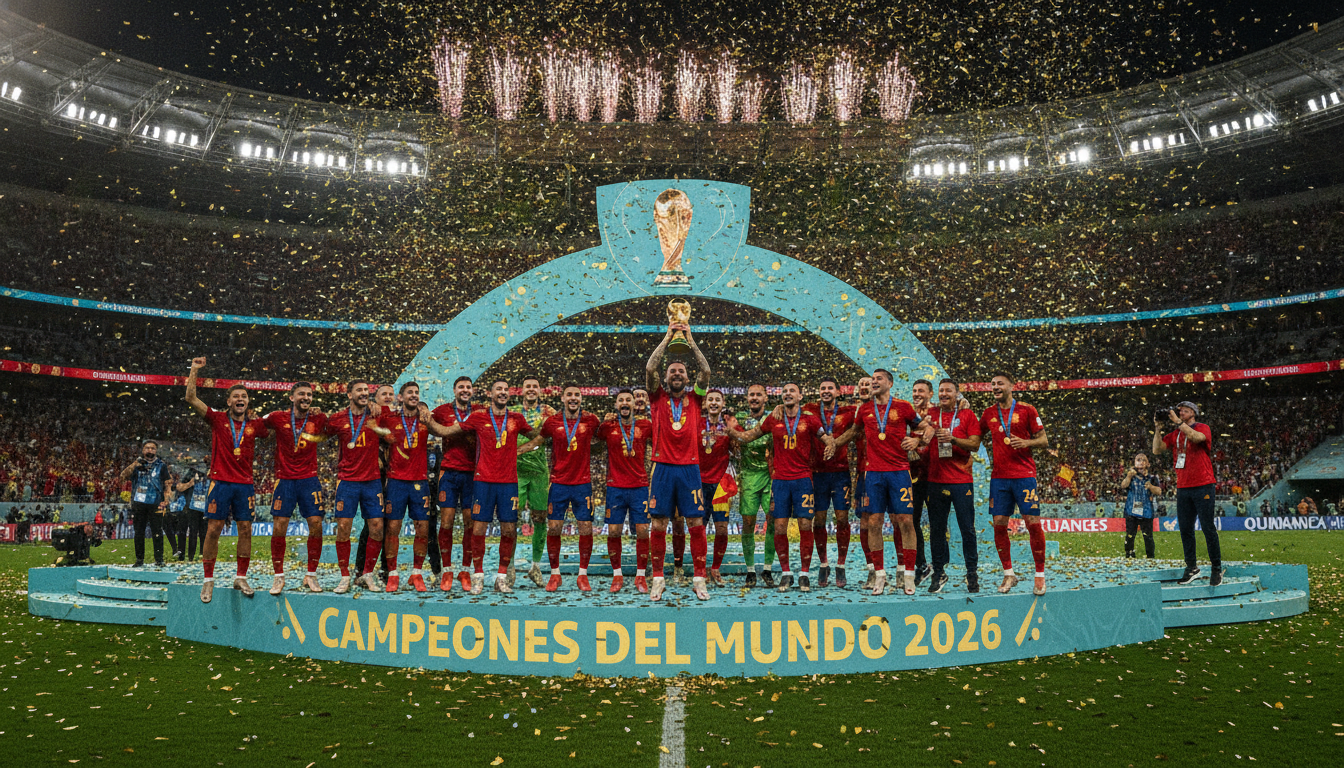
2026 FIFA World Cup award winners: Spain crowned champions after 1-0 win over Argentina
Spain crowned 2026 FIFA World Cup champions; full list of 2026 FIFA World Cup award winners names Rodri, Kylian Mbappé, Unai Simón, Pau Cubarsí and Netherlands.
Spain were crowned 2026 FIFA World Cup champions after a tight 1-0 victory over Argentina in the final, and the full list of 2026 FIFA World Cup award winners was confirmed following the match. The tournament closed with La Roja lifting the trophy for the second time, completing a campaign built on exceptional defensive discipline and midfield control. The awards highlighted individual excellence across attacking, midfield and goalkeeping performances as the tournament drew to a close.
Spain secure second World Cup with defensive masterclass
Spain secured their second World Cup title, repeating a global triumph first achieved in 2010 and doing so with a defensive record unmatched by previous winners. La Roja conceded just one goal across seven matches, becoming the first side to lift the trophy after allowing a single goal during the entire tournament. That defensive resilience was a defining characteristic of Luis de la Fuente’s team and a decisive factor in the final result in New York New Jersey Stadium.
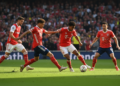
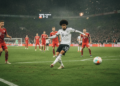
The final itself was a tense, tightly contested match against an Argentina side that reached the decider under the leadership of Lionel Messi in what is widely expected to be his final World Cup. Spain’s single strike proved enough as they managed the game carefully in the closing stages, safeguarding their narrow advantage. The victory capped a month-long campaign in which Spain balanced possession, tactical discipline and defensive solidity to outlast a field of elite international teams.
The team triumph also set national benchmarks and renewed Spain’s status among the sport’s elite powers. Players across the spine of the squad combined experience and emerging talent to deliver consistent performances. The championship will be remembered for Spain’s systematic approach and the statistical oddity of conceding almost no goals on the way to a global title.
Rodri named Golden Ball after commanding midfield display
Rodri was named the tournament’s Golden Ball winner after anchoring Spain’s midfield throughout the competition. His role combined defensive screening, progressive passing and game management, allowing Spain to control tempo in crucial moments. Tournament observers credited his composure and leadership as central to Spain’s capacity to convert possession into sustained defensive security.
The Golden Ball recognized not just moments of individual brilliance but sustained influence across matches. Rodri’s capacity to break opposition lines and protect his defence created a platform for teammates to perform with greater freedom. That balance between control and influence is a key reason the award jury singled him out among a strong pool of candidates.
The honor places Rodri among a select group of midfielders historically recognized for decisive roles in World Cup campaigns. His performance will be analyzed in tactical breakdowns and will likely shape how elite midfielders are valued in international tournaments going forward. The award also underscored Spain’s collective approach, in which individual recognition reflected team organization.
Mbappé sets scoring records and claims Golden Boot
Kylian Mbappé claimed the Golden Boot after scoring 10 goals in eight matches, finishing as the tournament’s top scorer. His haul included a variety of finishes and moments of individual quality that kept France in contention throughout the event. The Golden Boot victory also made Mbappé the first player to finish as the World Cup’s top scorer at two consecutive tournaments.
Mbappé extended his record as the men’s all-time leading scorer at World Cups, finishing the tournament with 22 career goals. That achievement places him at the summit of the competition’s historical scoring charts and cements his standing among the era’s most prolific forwards. His tournament combined consistent finishing with match-winning interventions, even as France ultimately fell short in the final stages.
Despite France’s defeat in the final, Mbappé’s performance will be seen as one of the tournament’s defining storylines. His goals and influence elevated France to a fourth-place finish and added further chapters to a World Cup legacy already rich in high-stakes moments. The dual achievement of Golden Boot and scoring record ensures Mbappé’s impact will be a major talking point in post-tournament analyses.
Unai Simón and Spain’s goalkeeping record
Unai Simón was awarded the Golden Glove after a campaign that featured critical saves and sustained concentration across Spain’s matches. Simón finished the tournament with a record run of 650 consecutive minutes without conceding, a streak that underscored Spain’s defensive consistency. His performances in goal combined shot-stopping with calm distribution, contributing to Spain’s ability to sustain pressure and control transitions.
The Golden Glove acknowledges the significance of goalkeeping in tournament success, particularly in matches decided by narrow margins. Simón’s minutes between goals and his command of the penalty area played a meaningful role in limiting opposition chances. The accolade reflects both individual excellence and the collective defensive framework that supported him.
Goalkeeping records and awards from this tournament will shape conversations about the influence of the last line of defence in elite international football. Simón’s statistics and match impact provide a clear example of how a goalkeeper can underpin a title-winning campaign. Analysts will scrutinize his technique and positioning as part of broader tactical reviews of Spain’s success.
Pau Cubarsí and the next generation of defenders
Pau Cubarsí was named Best Young Player after a series of mature and commanding performances at the heart of Spain’s defence. The teenager’s composure and reading of the game contributed directly to Spain’s remarkable record of conceding a single goal. Cubarsí’s emergence offered a glimpse of the next generation of defenders capable of stepping into high-pressure international roles.
Cubarsí combined athleticism with positional intelligence to neutralize key attacking threats, often doing the less glamorous but critically important work of interceptions and clearances. Tournament recognition for young players highlights the development pipelines that produced international-ready talent. His award will likely accelerate his profile on club and international stages and encourage comparisons with other breakout defenders from recent tournaments.
The Best Young Player prize also reflects how youth integration can complement experienced leadership in a championship squad. Spain’s willingness to trust younger players in vital moments speaks to a strategic balance between continuity and renewal. Cubarsí’s performances will be a focal point for discussions about defensive development and squad-building strategies.
Argentina runners-up as Messi’s World Cup swansong is probable
Argentina finished runners-up after the narrow loss to Spain, bringing an end to a campaign that featured moments of high drama and resilience. Lionel Messi led the side in what many expect to be his final World Cup appearance, and Argentina’s run to the final included standout individual and team performances. The defeat in the last match leaves Argentina with a place among the finalists but short of the title they sought.
Messi’s role throughout the tournament was central to Argentina’s progression, providing creativity, control and finishing when required. While the final outcome denied him another World Cup winner’s medal, the campaign expanded a storied international legacy. Observers and supporters will treat this tournament as a significant chapter in Messi’s career and in Argentina’s footballing history.
Argentina’s campaign will be evaluated in terms of tactical choices, squad depth and the balance between veteran influence and emerging talent. The runners-up finish confirms their status as a perennial contender on the world stage, even as attention turns to transitions and future cycles. How the team rebuilds or refines its approach after this narrow loss will be a subject of immediate interest in coming months.
Spain beat Argentina 1-0 in the final at New York New Jersey Stadium, and the tournament closed with awards that honored both team achievement and individual brilliance. England claimed third place in a high-scoring bronze-medal match, while the Netherlands received the FIFA Fair Play Award for their disciplinary record and sportsmanship. The full roster of award winners reflects the range of performances that defined the month, from goalscoring feats to defensive mastery and youthful promise.
The 2026 FIFA World Cup award winners list will be referenced in future debates over tactical trends, player development and the attributes that drive success at the highest level. Spain’s combination of defensive discipline, midfield control and goalkeeping excellence produced a championship blueprint that other national teams will study. Individual awards to Rodri, Mbappé, Unai Simón and Pau Cubarsí encapsulate the tournament’s mix of established stars and rising talents making decisive impacts.
This closing chapter of the World Cup will shape narratives for clubs, national associations and players as they plan next steps. Statistical records set or extended during the tournament will be a focus for analysts and historians alike. The awards cement individual legacies while underscoring the collective dynamics that determined the 2026 tournament’s outcomes.