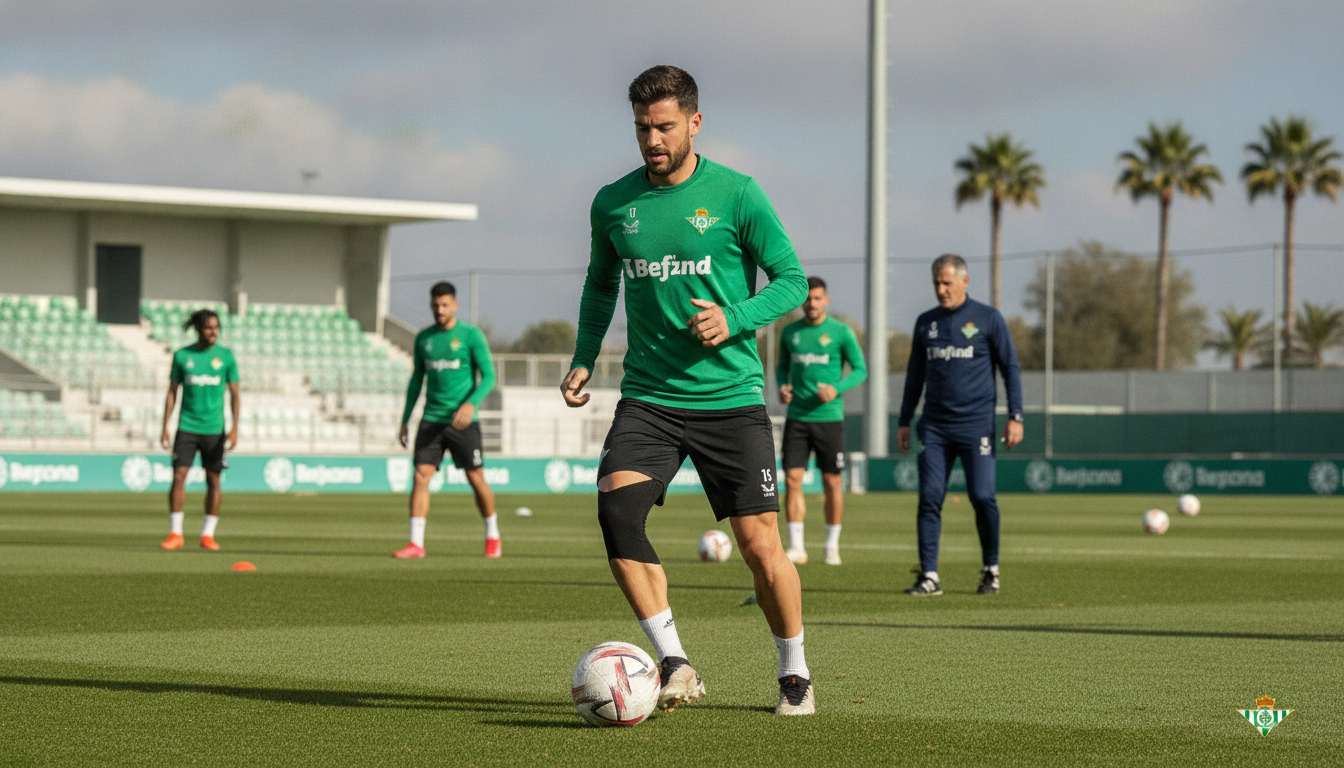
Isco returns to Betis training as captain, focusing on ankle rehab ahead of Champions campaign
Isco returns to Betis training, undergoing ankle rehabilitation at Ciudad Deportiva Luis del Sol while targeting more minutes and a Champions League run.


Isco returned to Real Betis training this Tuesday, rejoining the majority of the first team at the Ciudad Deportiva Luis del Sol as the club began pre-season medical checks. The captain has entered a critical phase of his recovery program as he works to manage persistent ankle discomfort following a serious injury sustained last November. With the squad preparing for a season that includes a Champions League return, Isco has made clear his objective is to rebuild fitness so he can contribute more minutes on the pitch.
Return to the training ground
Isco reported for the club’s standard medical evaluations with teammates and staff at the start of pre-season preparations. Observers at the Ciudad Deportiva Luis del Sol noted the 34-year-old took part in the initial activities while remaining focused on individual conditioning. Club sources confirmed the sessions were routine for the squad ahead of coach Manuel Pellegrini’s structured build-up.
Isco has assumed his role as captain in a largely symbolic and practical sense during the opening days, participating in meetings and light on-field work when appropriate. His presence in the dressing room and on the training pitch is being managed carefully by the medical and coaching teams. The club emphasised a tailored approach aimed at balancing early integration with the need to protect a vulnerable ankle.
The timing of the return is also significant given Betis’s expanded calendar this season, with the manager setting out a pre-season schedule that will test the squad’s depth. Isco’s involvement will be calibrated to his physical response and the broader demands of a campaign that promises to be congested. That measured reintegration underlines the club’s emphasis on long-term availability over short-term returns.
Medical checks and rehabilitation priorities
Betis medical staff carried out the customary pre-season assessments that examine fitness baselines, muscular balance and any lingering functional limitations. For Isco, the focus was on his ankle — both pain management and the mechanical readiness to resume more intensive work. The club’s medical statement indicated individualized protocols will guide his progression through training phases.
Rehabilitation for post-traumatic ankle problems typically combines strength work, proprioceptive exercises and progressive load on the joint, a regimen that Isco has been following since the injury. Experts involved with the squad are monitoring pain levels and functional benchmarks before allowing a step-up in intensity. That conservative approach aims to reduce the risk of relapse and to preserve performance across a long season.
Isco’s own comments to the club underscored his ambition to overcome the physical setbacks and return to full capacity. He expressed optimism about the coming campaign and described his current focus as steady, consistent work to reach top condition. The player’s mental readiness to embrace the process will be central to the pace of his recovery.
Sporting objectives amid Champions League return
Real Betis faces a busy calendar with domestic commitments and a return to the Champions League placing new demands on the squad. Isco identified the prospect of competing on Europe’s premier stage as a major motivator for the season ahead. He stressed the desire to help the club progress and to enjoy the experience alongside teammates and supporters.
For a veteran midfielder and captain, balancing minutes with recovery becomes a tactical consideration for the coaching staff. Pellegrini will likely evaluate how to deploy Isco in phases, using his technical quality and game intelligence while managing workload. The club’s ambition is to push forward in both domestic competitions and European fixtures, which will require careful rotation and clear communication about roles.
Isco has publicly stated his hope to play more and to do so without pain, a realistic target that aligns with Betis’s planning. His ability to contribute across competitions would add a creative dimension to Pellegrini’s midfield options. Maintaining availability for pivotal matches will be a key measure of success for the player and the medical team.
Squad dynamics and competition for minutes
Betis enters the new season with a competitive roster in midfield, where tactical versatility and form will determine selection. Isco’s return increases the range of technical options for Pellegrini but also introduces decisions about minutes distribution and positional responsibilities. Younger players and new signings are likely to push for opportunities during pre-season, creating healthy competition.
The captaincy affords Isco leadership responsibilities that extend beyond minutes on the field, including mentoring emerging talents and setting standards in training. His experience in high-pressure matches is an asset, particularly in preparations for European fixtures. At the same time, the coaching staff will weigh those leadership qualities against the immediate physical criteria for selection.
Long-term squad planning will consider Isco’s recovery trajectory when mapping out rotation patterns through the season. The club’s sporting directors and medical department have emphasised a collaborative process to determine when he should be introduced into more demanding phases. That interdisciplinary coordination aims to optimize both individual recovery and team performance.
Path to full fitness and season outlook
The roadmap for Isco’s return to peak condition will depend on a sequence of milestones established by the medical team and coaching staff. Early pre-season activities are focused on regaining base fitness, followed by progressive exposure to high-intensity drills and match-simulation work. Each advance will be contingent on symptom control and objective improvements in strength and mobility.
Recovery timelines for complex ankle issues vary, but the club has signalled patience and a structured reintroduction rather than a rushed comeback. Isco’s comments indicate he recognizes the importance of this measured approach and is prepared to invest time in controlled training. Monitoring will continue through training weeks and into friendly matches before assessing readiness for competitive duty.
Betis’s broader ambitions provide a framework for Isco’s return, as the team will need contributions from across the squad to navigate a season with domestic and European responsibilities. If he can find a reliable level of pain-free performance, his technical creativity and game-reading could make him a decisive figure. The coming weeks of pre-season will be critical for establishing whether that objective is realistic in the short term.
Isco’s return to work at the Ciudad Deportiva Luis del Sol marks a new phase of preparation, with the captain and the club aligning on a cautious plan to restore his ankle health and competitive sharpness. The interplay between medical oversight, coaching strategy and the player’s own determination will shape how much he can contribute once the season begins. Ultimately, Betis’s success this year will depend on managing workload, minimising injury risk and extracting the best from experienced players like Isco.