World Cup attendance under strain as travel bans, visa denials and soaring prices curb fan turnout
2026 World Cup attendance is being suppressed by travel bans, visa denials and record ticket prices, threatening FIFA revenue and U.S. tourism recovery.


Opening summary
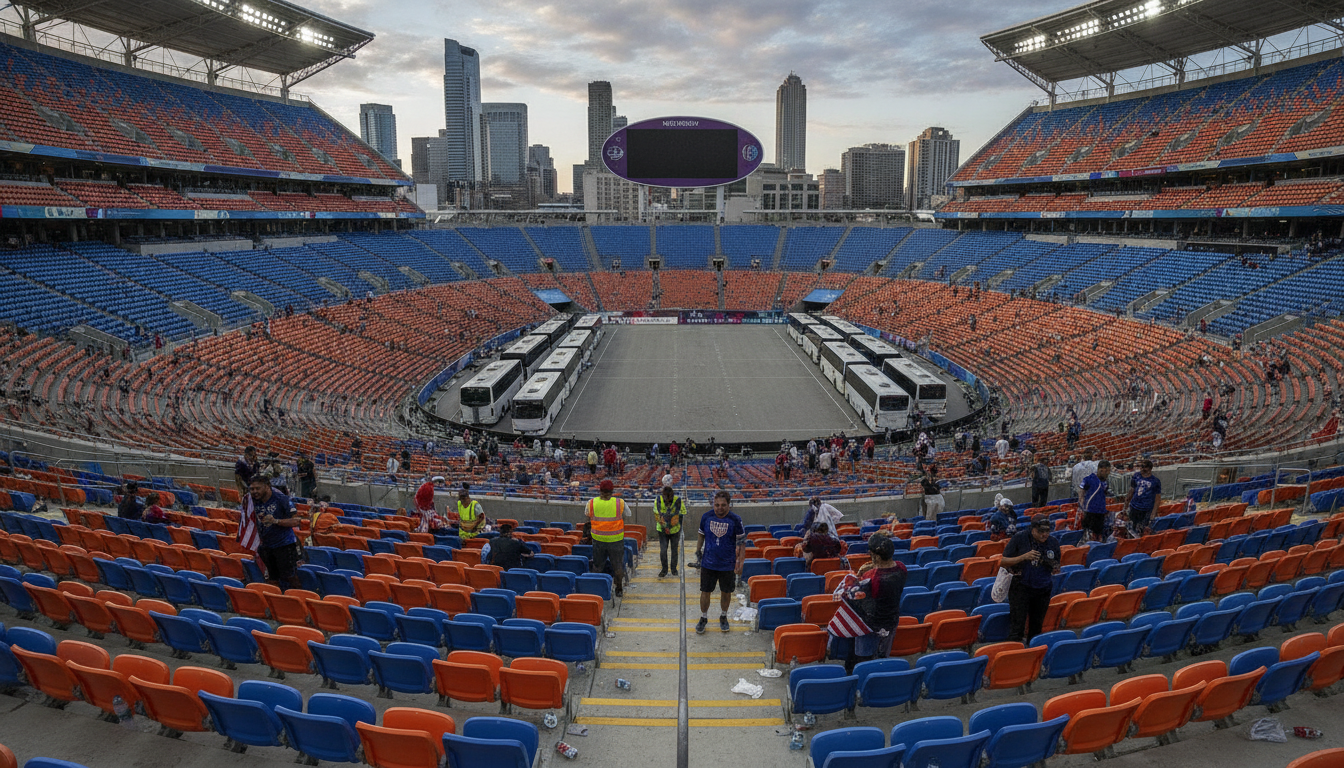
The 2026 World Cup is starting amid sharp concerns about attendance as travel bans, visa denials, safety fears and record-high ticket prices combine to limit fan turnout. The issue of 2026 World Cup attendance is now central to debates over whether FIFA’s forecasted $40 billion windfall and a hoped-for tourism rebound in the United States will materialize. Early indicators from ticket resale platforms, hotel chains and tourism groups suggest lower-than-expected demand, and several stadiums face the prospect of noticeably empty seats during the opening phase.
The situation has raised alarm among organizers, host cities and local businesses that had budgeted for substantial visitor spending. Analysts say the mix of geopolitical restrictions and the tournament’s steep costs has created barriers that go beyond ordinary travel friction, affecting attendance patterns across the U.S., Canada and Mexico.
Attendance Shortfalls Threaten FIFA’s $40 Billion Forecast
FIFA projected substantial revenue and job creation tied to the tournament, but attendance figures falling short would cut directly into those calculations. The organization’s estimates included millions of fans traveling across the three host countries and billions in visitor spending tied to match days, hospitality packages and related events. If significant numbers of tickets remain unsold and international arrivals underperform, the broader economic returns will be pared back.
Market signals ahead of kickoff point to weaker demand than anticipated, with resale portals still listing hundreds of thousands of tickets and some U.S. opening matches not fully sold on official channels. Industry reports and financial analyses now show a widening gap between optimistic projections and near-term commercial reality, prompting reassessments by hotels, restaurants and municipal planners in host cities.
Travel Restrictions and Visa Denials Reducing Fan Access
A central factor in diminished attendance is a complex and uneven set of entry rules for the United States that have left fans from several countries unable or unwilling to attend. Some nations face outright travel bans while others encounter heightened vetting and longer visa processing times, which in turn reduce the practical ability of supporters to secure travel and accommodation. These policies have affected both prospective spectators and diaspora communities hoping to support their national teams.
The restrictions have had tangible consequences: federations have reported revoked ticket allocations, and fans in affected countries have openly discussed boycotts or decided against traveling. For teams whose qualification is a rare and symbolically powerful moment, the inability of supporters to attend has compounded disappointment and raised questions about the inclusivity of hosting a tournament in a single country with restrictive entry regimes.
Ticket Prices and the Cost Barrier for Supporters
Even supporters eligible to travel are confronting ticketing and cost barriers that put many matches out of reach. This edition of the World Cup has seen historically high face and resale prices, with premium seats fetching sums that place multi-match attendance in the realm of substantial personal expenditure. The steep cost calculus expands beyond tickets to include lodging, local transportation and ancillary event prices that spike around major fixtures.
Critics argue the pricing structure has priced out ordinary fans and shifted the market toward wealthier customers and corporate buyers, reducing the vibrant, multinational atmosphere that typically characterizes the World Cup. For many national supporters, especially those traveling long distances, the combined costs can make attendance prohibitive even when visas and travel permissions are secured.
Host Cities Report Weaker-Than-Expected Bookings
The hospitality sector in several U.S. host cities is reporting lower-than-expected bookings compared with forecasts made when the tournament was awarded. Surveys from lodging associations and industry groups indicate a majority of hotels in key cities have occupancy figures lagging earlier projections. By contrast, some Canadian and Mexican host cities have recorded relatively stronger booking performance, underscoring uneven geographic impacts across cohosts.
Local businesses that had planned staffing, inventory and event schedules around higher visitor volumes are now reassessing operations. Restaurants, bars and transport providers say they expect some lift from match days but not to the degree initially forecasted, and they worry that the benefit will be concentrated in limited neighborhoods and stadium corridors rather than broad-based across metropolitan areas.
Sporting Consequences Inside Stadiums and From Revoked Allocations
The absence of large numbers of international fans alters the matchday experience and can change dynamics on the pitch. Teams that rely on vocal support from traveling supporters may find themselves with smaller cheering sections, shifting atmosphere and local demographic mixes in the stands. Organizers have also faced diplomatic and operational strains after federations reported the revocation of promised ticket allocations for certain countries, limiting those teams’ ability to seat their supporters.
That loss of allocated tickets has prompted public complaints from federations and civil society groups, who frame the removals as a form of exclusion that affects not just fans but the integrity of the tournament’s global representation. Stadiums with unused capacity raise logistical and reputational questions for organizers about ticket distribution, pricing strategies and the balance between local demand and international access.
Economic Outlook and Potential Short-Term Gains
Analysts expect the World Cup to generate pockets of economic activity, particularly in hospitality, retail and transport sectors around match venues. However, most forecasts now point to a more modest and fleeting boost rather than a sustained recovery for inbound tourism. Projections that had anticipated widespread spending across cohosts are being tempered by evidence that spending gains will be localized and uneven.
For national and municipal budgets tied to the tournament, the shortfall in international attendance could mean reduced tax receipts and lower-than-expected returns on public investments. Private stakeholders that debuted products, services or infrastructure with the expectation of high global traffic may also need to revise break-even calculations and marketing strategies.
Political and Social Repercussions for Fan Communities
The intersection of travel policy and sport has provoked broader political reactions, including calls for boycotts and criticism from advocacy groups who emphasize the symbolic and practical harm to excluded communities. For countries making rare World Cup appearances, the inability of diasporas and domestic fans to participate has amplified existing social and political tensions at home and abroad.
At the same time, many supporters and community leaders have signaled an intent to separate politics from the enjoyment of football, planning watch parties, local fan zones and virtual engagement as alternative ways to support their teams. Broadcasters and sponsors are likely to lean into these secondary consumption channels to capture attention when stadium seats remain unfilled.
Mitigation Efforts and Organizers’ Responses
Tournament organizers and national authorities have taken steps to address shortfalls, including promoting domestic ticket sales, expanding fan experiences outside stadiums and leaning on broadcasting platforms to maximize remote engagement. Host cities have also worked to fill unsold seats with local communities, sponsors and hospitality packages that can be activated on short notice.
Despite these measures, the fundamental constraints—entry restrictions for certain nationalities and market-level pricing that deters average supporters—are not easily resolved on a tournament timeline. The unfolding experience of the opening matches will influence whether further policy adjustments or commercial interventions are pursued to shore up attendance in later stages.
The balance of commercial, diplomatic and sporting interests will shape how the tournament is remembered in economic terms. If the attendance figures remain below initial forecasts, it will prompt a post-tournament reassessment of hosting models, risk management for international sport and the economics of mega-events in politically complex contexts.
The 2026 World Cup’s early attendance challenges underscore how national immigration policies, pricing strategies and security perceptions can reshape not only who fills the seats but also the anticipated economic windfall for organizers and host communities.