Emmanuel Okwi retirement: Former Uganda Cranes captain announces end of playing career
Emmanuel Okwi retirement confirmed as the 33-year-old forward steps away from professional football after 95 caps and 28 goals, pledging to remain involved in the sport.

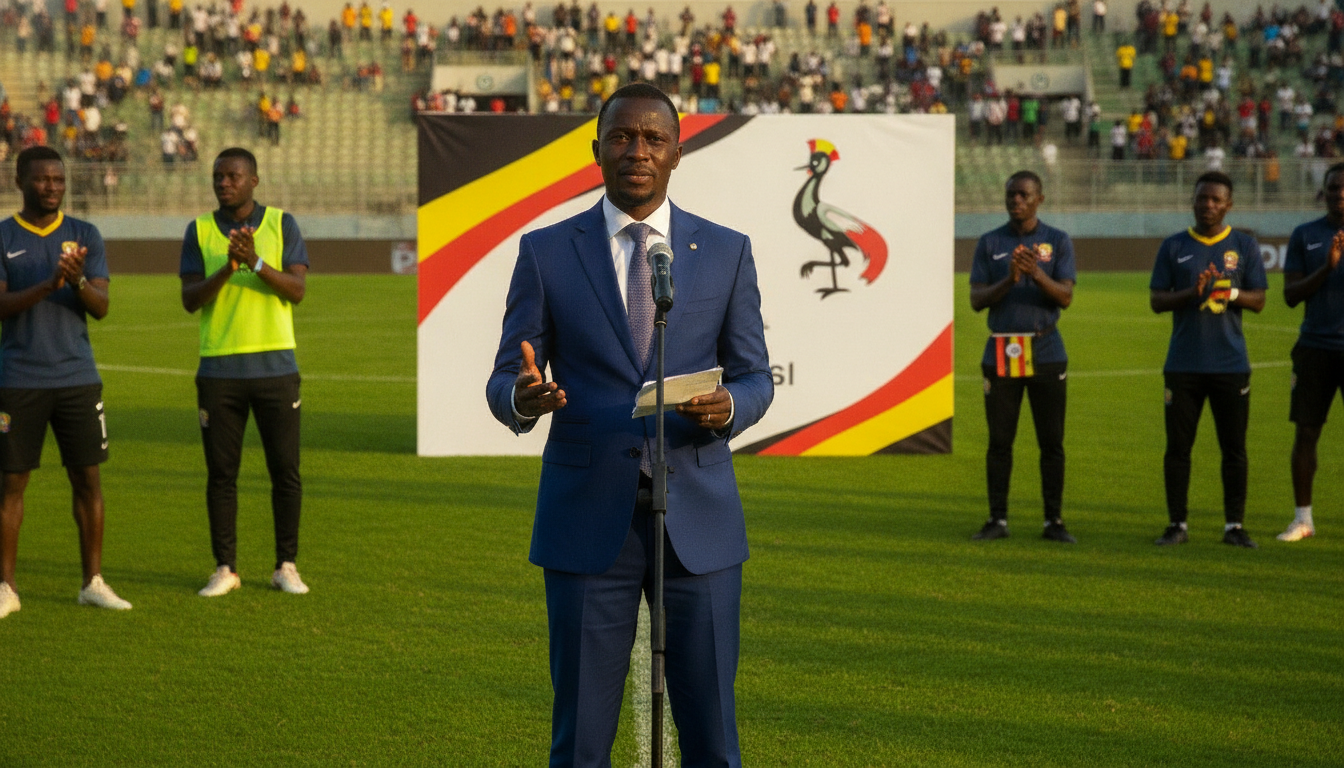
Emmanuel Okwi, the former Uganda Cranes captain, announced his retirement from professional football on Tuesday, bringing to a close a playing career that began in 2008 and spanned multiple countries and competitions. The 33-year-old said the decision followed deep reflection and gratitude for a game that has defined his life. Okwi retires with 95 international appearances and 28 goals for Uganda, figures that place him among the national team’s most accomplished forwards.
Career timeline and international record
Okwi made his senior international debut in 2009 at age 17 under coach Bobby Williamson, quickly establishing himself as a mainstay in the national setup. Over a 17-year international span he accumulated 95 caps and found the net 28 times, contributing at both qualifying campaigns and major regional tournaments. His presence helped Uganda progress on the continental stage, including the squad that reached the 2019 Africa Cup of Nations in Egypt. The combination of longevity and consistent scoring made Okwi a fixture in team selection across multiple managers and tactical systems.
He also played a prominent role in East and Central African competitions, finishing as joint top scorer at the 2011 CECAFA Cup and collecting three CECAFA titles with Uganda. Those regional successes underscored his reputation as a dependable attacking option for the Cranes. Beyond raw numbers, his tactical awareness and ability to adapt to different roles in attack allowed him to remain relevant even as the national team evolved.
Domestic and international club career highlights
At club level Okwi’s career began with SC Villa in 2008, where his early promise was clear and earned him moves abroad. He made a significant impact in Tanzania with both Simba SC and Young Africans, winning three Tanzanian Premier League titles with Simba and becoming a fan favorite for incisive finishing and off-the-ball movement. His performances in East Africa opened opportunities beyond the region that tested him in different footballing cultures.
In 2013 Okwi secured a high-profile transfer to Tunisia’s Étoile du Sahel, a move that was widely viewed at the time as one of the more notable signings involving an East African player. He later had a stint in Europe with Danish side SønderjyskE and turned out for clubs in Egypt, Iraq and Rwanda, including Al Ittihad Alexandria, Al-Zawraa, Kiyovu Sports and AS Kigali. Those experiences exposed him to varied tactical systems and competitive environments, enhancing a résumé that combined domestic trophies and continental cup experience.
Honours, milestones and standout performances
Okwi’s trophy cabinet includes domestic league crowns in Tanzania and a Tunisian Cup with Étoile du Sahel, reflecting success across multiple leagues. Internationally he helped Uganda secure three CECAFA championships and was an influential figure in qualifying cycles, most notably contributing to Uganda’s campaign that reached the 2019 AFCON finals. Individual moments — such as his shared top-scorer finish at CECAFA 2011 — punctuated seasons in which he was regularly among the most dangerous attacking players in regional competitions.
Throughout his career Okwi delivered a number of decisive goals and moments that changed matches, especially in tightly contested regional derbies and cup ties. His knack for arriving in scoring positions and converting chances under pressure earned him plaudits from coaches and peers. Those highlights, combined with his sustained output over a long period, cement his standing among the most influential Ugandan forwards of his generation.
Leadership and role as national team captain
Okwi’s leadership qualities were recognized when he was handed the Uganda Cranes captaincy, an appointment he described as one of the highest honors of his career. As captain he combined on-field responsibility with a mentorship role for younger players coming through the national setup. Teammates and staff often highlighted his experience and calm presence as stabilizing factors during qualification campaigns and regional tournaments.
He has spoken about the pride of representing his country and the privilege of wearing the national jersey, remarks that reflected the emotional significance of his international service. Those comments came alongside his gratitude for the support of fans and colleagues who were instrumental across a career of almost two decades. His captaincy left a blueprint for balancing personal performance with the broader needs of team cohesion and player development.
Reactions, tributes and public response
News of Okwi’s retirement prompted immediate reaction across Ugandan football circles, with supporters, former teammates and club officials paying tribute to his contributions on the pitch. Social media and official club channels marked the announcement with highlights of his goals and achievements, while pundits reflected on the domestic and regional impact of his career. Tributes emphasized both his goal-scoring record and the example he set as a professional who carved a path from local league beginnings to international competition.
Officials within the national federation and several of his former clubs acknowledged his role in raising the profile of Ugandan players abroad. Those acknowledgements highlighted not only the length of his service but the quality of his performances in critical matches. Observers also noted that his departure from playing will leave a void to be filled by an emerging generation of forwards who grew up watching his exploits.
Plans for post-playing career and development ambitions
While Okwi confirmed that he was retiring from professional play, he stated clearly that he intends to remain active in football in a different capacity. He said his next chapter will focus on supporting the development of younger players and contributing to the growth of the sport in Uganda. That commitment suggests a potential future in coaching, mentoring or football administration, where his experience across multiple countries could be used to guide talent pathways.
Okwi’s stated desire to help the next generation aligns with a broader trend of former internationals turning to development roles to strengthen grassroots structures. His network and reputation within East Africa and beyond could provide access to training methodologies and opportunities for talent exposure. For a nation aiming to build on recent continental appearances, his involvement could prove valuable in bridging experience and emerging talent.
A number of concrete avenues are likely to be explored, from youth coaching to talent identification programs and ambassadorial roles that leverage his profile. If Okwi follows through on those plans, his influence on Ugandan football may continue long after his playing career has ended.
Emmanuel Okwi leaves the field having carved a distinctive career across domestic leagues and international tournaments, and he departs with clear intentions to give back to the sport that defined him. He retires with an accomplished record for the Uganda Cranes and a collection of club honours that reflect success across different footballing stages. As Uganda looks ahead to a new generation of attackers, Okwi’s legacy will be measured both by the goals he scored and the young players he helps shape in the years to come.