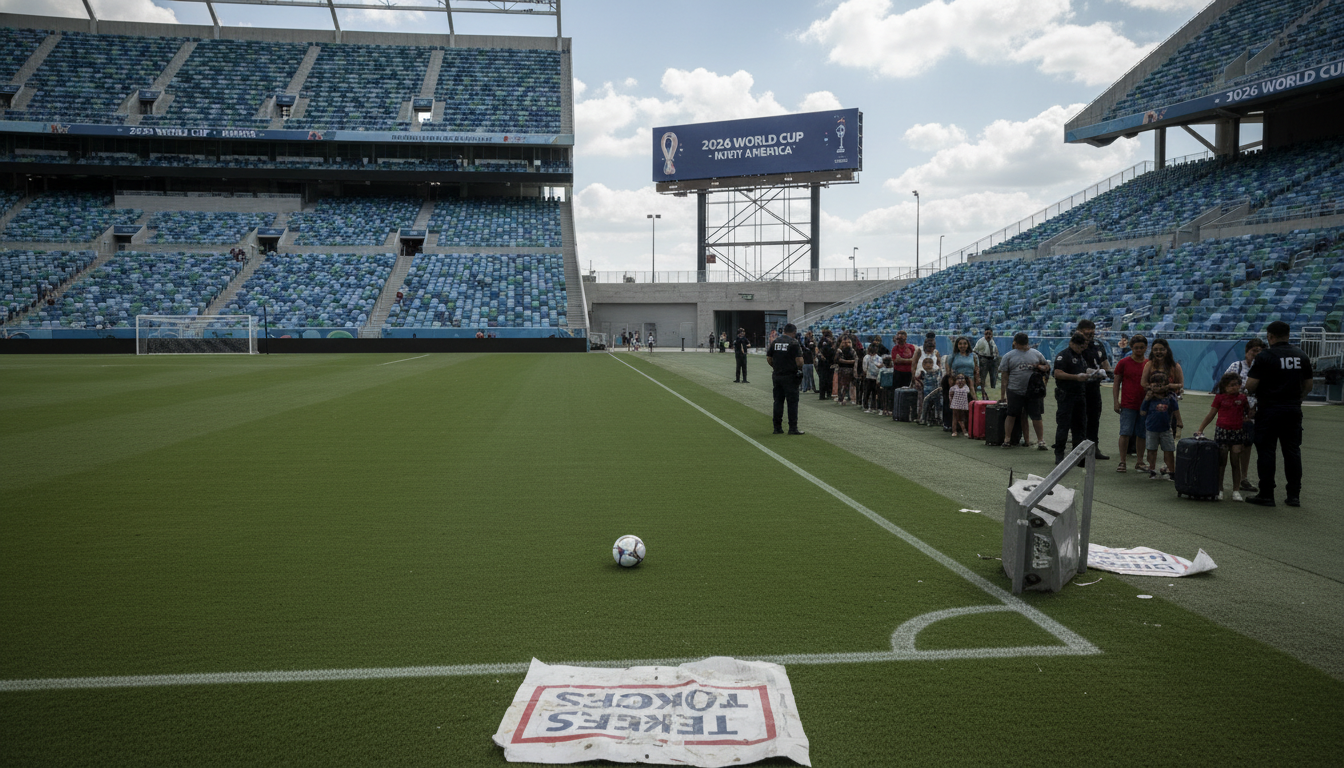
2026 World Cup in the U.S.: Cultural Exchange Collides with Travel, Cost and Enforcement Concerns
The 2026 World Cup will test America’s ability to host the planet’s most diverse football festival while immigration enforcement and high travel costs threaten attendance and cultural exchange. This summer’s expanded 48-team tournament kicks off on June 11 with matches across Canada, Mexico and the United States.


U.S. Host Cities Brace for 2026 World Cup Surge
Host cities in the United States are preparing to host the largest single share of matches at a World Cup that expands to 48 teams. Organizers expect millions of visitors across multiple venues, with the championship match scheduled to take place on U.S. soil.
Local officials and hospitality sectors have described the scale as unprecedented for the country, requiring coordination across transit, security and accommodations. The logistical burden is matched by an economic opportunity, though early indicators point to uneven demand in some metropolitan areas.
Immigration Enforcement and Visitor Confidence
Concerns over U.S. immigration enforcement have emerged as a significant factor dampening travel confidence among potential visitors. High-profile enforcement actions and reports of street-level immigration operations have created apprehension among foreign nationals weighing the decision to travel to the United States for the 2026 World Cup.
Human rights groups and advocacy organizations have publicly urged authorities and international sport bodies to seek temporary pauses in enforcement around tournament venues. Those calls reflect a broader anxiety that immigration policy visibility could deter fans who would otherwise make the trip to experience matches and local culture.
Travel Costs and Fan Affordability
Ticketing and transportation costs have become flashpoints for would-be attendees. Resale listings on official marketplaces drew headlines when premium seats were advertised at extraordinary prices, illustrating how secondary markets can put marquee matches beyond reach for many supporters.
Transport fares and hotel rates have also raised alarm. In one instance, a regional transit fare proposal was scaled back after public pushback, but prices for dedicated event services remain substantially higher than normal rates. These increases are contributing to sluggish booking patterns in several U.S. host cities, according to industry observers.
Cultural Exchange Beyond Stadiums
The World Cup’s value as a site of cultural exchange extends well beyond the playing surface, influencing neighborhoods, hospitality venues and public spaces. The tournament historically generates small-group and interpersonal encounters that can lead to friendships, culinary sharing, and new cultural practices.
Past tournaments have produced global fan traditions — from the stadium wave to instruments and chants that travel across borders — and the 2026 event is expected to produce similar cultural spillovers. Those informal interactions are often cited by scholars and community leaders as among the most enduring benefits of hosting major sporting events.
Broadcast Rights and Global Reach at Stake
Global broadcast agreements remain a critical component of the World Cup’s reach, and negotiations over rights have drawn scrutiny this cycle. Large markets that contribute vast numbers of viewers face uncertainty when distribution deals are unresolved, threatening the tournament’s ability to reach audiences in some of the world’s most populous countries.
Digital viewing patterns highlighted in recent tournaments underline the financial and cultural stakes of these agreements, with streaming and social platforms accounting for a growing share of engagement. Broadcasters, rights holders and football governing bodies are navigating a complex negotiation landscape to ensure broad access while protecting revenue streams.
Organizers, Governments and Rights Holders Face Tough Choices
FIFA, local organizing committees and national authorities are balancing competing priorities: ensuring public safety, enabling cultural exchange, and maximizing commercial returns. Each stakeholder faces pressure from fans, civic groups and political actors to mitigate barriers that could limit attendance or tarnish the event’s reputation.
Calls for measures such as temporary enforcement truces or targeted public messaging are growing louder as the tournament approaches. At the same time, market dynamics — including speculative ticket resale and premium transport packages — are testing the social compact around access and inclusivity for World Cup supporters.
The 2026 World Cup, with its expanded format and transnational hosting model, presents a rare opportunity for intercultural engagement even as it exposes fault lines between policy, commerce and public sentiment. How organizers and authorities address enforcement concerns, pricing pressures and broadcast reach will shape not only attendance figures but also the quality of cultural exchange that the tournament can deliver.