Fifa scraps World Cup investor plans after AFC and UEFA opposition
Fifa scraps World Cup investor plans after strong pushback from AFC, UEFA and Concacaf, with President Gianni Infantino abandoning the proposal and calling for renewed talks.


The governing body of world football has abandoned its controversial proposal to sell minority stakes in a company that would oversee World Cup commercial rights and tournament operations.
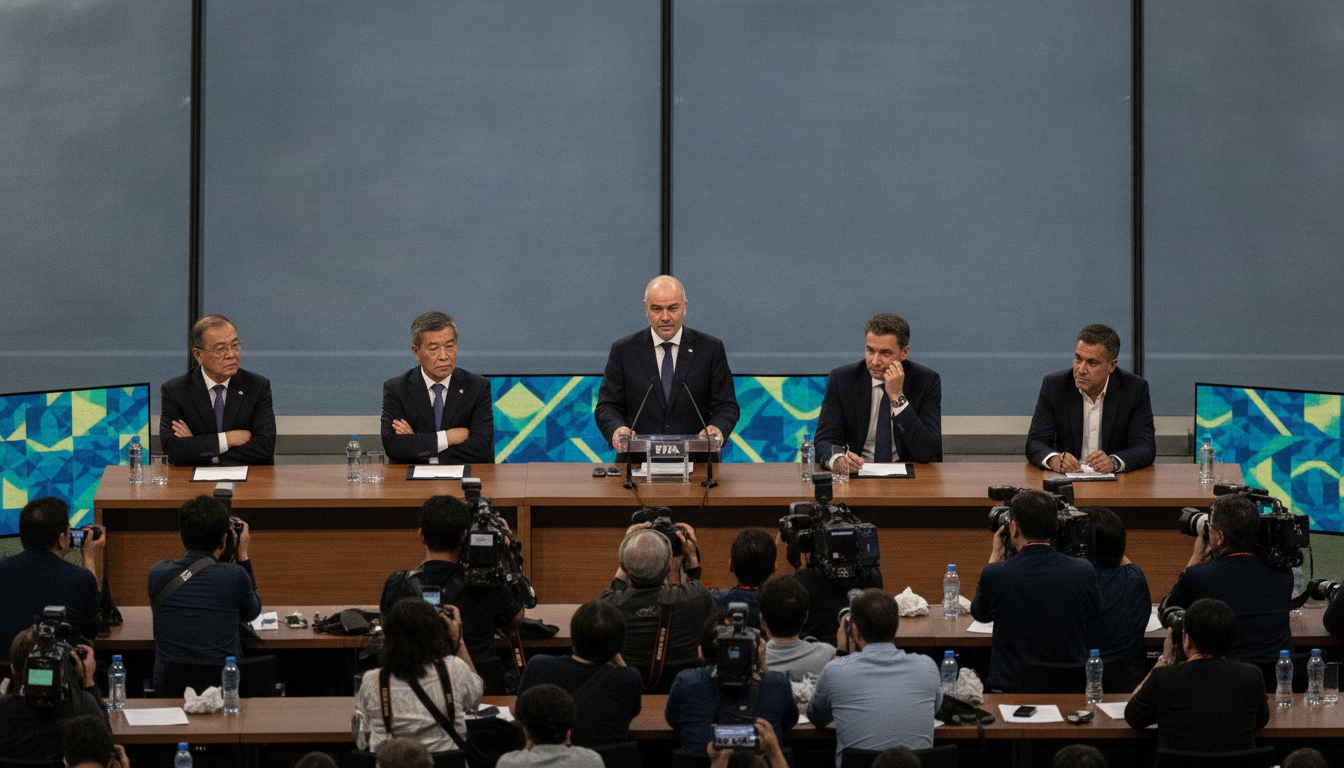
Fifa President Gianni Infantino said the plan had created divisions among member associations and would not proceed, signalling a U-turn after fierce opposition from several confederations.
The move follows public rejections from the Asian Football Confederation, Europe’s Uefa and Concacaf, which together deprived Fifa of the broad support needed to press ahead.
Fifa abandons World Cup investor plans
The decision to drop the proposal was confirmed by Infantino, who acknowledged the scheme had become divisive and contrary to football’s unifying goals.
Fifa’s plan had envisioned creating a commercial vehicle to manage World Cup rights and operations, with minority stakes to be sold to private investors.
Infantino said the proposal would not proceed and that he intended to convene further discussions with stakeholders in the coming days and weeks to rebuild consensus.
AFC and UEFA issue unified opposition
The Asian Football Confederation publicly welcomed Fifa’s decision, stating its concerns had been heeded following a period of intense debate.
Uefa issued a strong-worded statement opposing the investor model, reflecting widespread unease in Europe about handing commercial control to private entities.
Both confederations made clear that preserving member association influence over FIFA’s commercial architecture was a priority in their responses.
Voting dynamics and the $20 million deadline
The proposal required majorities across Fifa’s 211 member associations to advance, a threshold that proved unattainable as key confederations withheld support.
A September 19 deadline had been attached to the plan, tying acceptance to eligibility for a US$20 million incentive for participating members.
That financial incentive became a focal point of criticism, with federations and observers questioning the timetable and the pressure it placed on decision-making.
Infantino frames the reversal as a step toward unity
In his public remarks, Infantino emphasised that Fifa’s purpose is to unite and grow the game, and he framed the withdrawal as necessary to prevent further division.
He pledged to bring all interested parties back together for talks aimed at strengthening football globally, particularly in nations that rely on Fifa support.
The president’s conciliatory tone signalled a shift from pushing the investor model toward a process-oriented approach that prioritises member consultation.
Reactions from regional confederations and member federations
Concacaf, representing North and Central America and the Caribbean, was among the confederations that rejected the investor proposal and welcomed its abandonment.
Several national federations had expressed reservations about surrendering commercial influence and the potential long-term implications for tournament governance.
The collective stance of continental bodies underscored the bargaining power of confederations within Fifa’s decision-making framework.
Commercial and governance implications for World Cup rights
By withdrawing the investor plan, Fifa has paused a major change to the governance of World Cup commercialisation that could have altered revenue distribution and operational oversight.
Industry stakeholders, broadcasters and sponsors will be watching closely as the organisation outlines alternative models for managing rights and tournament logistics.
Any future proposal will likely face scrutiny over transparency, voting procedures and the balance between commercial partners and member association control.
The reversal leaves unanswered questions about how Fifa will balance revenue growth with member sovereignty and how it will design a commercial strategy that commands broad support.
Moving forward, Fifa faces the task of rebuilding trust with confederations and federations while crafting a sustainable model for World Cup commercial rights that avoids the polarisation seen with the investor proposal.
The coming weeks of consultation will be pivotal as the organisation seeks to translate the decision to abandon the investor plan into constructive reforms that strengthen governance and protect the interests of football’s global membership.