FIFA Apologises Over World Cup Deal Plan as Gianni Infantino Retains Leadership Backing
FIFA has apologised for errors related to Gianni Infantino’s abandoned proposal to sell stakes in World Cup revenue and said senior officials reaffirmed support for the president after a crisis meeting in Rabat on Wednesday, August 5, 2026.


The governing body said mistakes were acknowledged, committing to correct governance lapses while seeking to reassure member associations and sponsors that the organisation will prevent similar errors going forward.
FIFA issues formal apology to Council and member associations
FIFA issued a statement saying a letter was sent to the FIFA Council and to member associations apologising for the way the proposal to commercialise World Cup profits was handled.
The apology acknowledged that the process surrounding the plan should have been managed differently and committed to steps intended to ensure similar missteps do not recur, describing the errors as regrettable and avoidable.
Rabat meeting sees senior management reaffirm support for Infantino
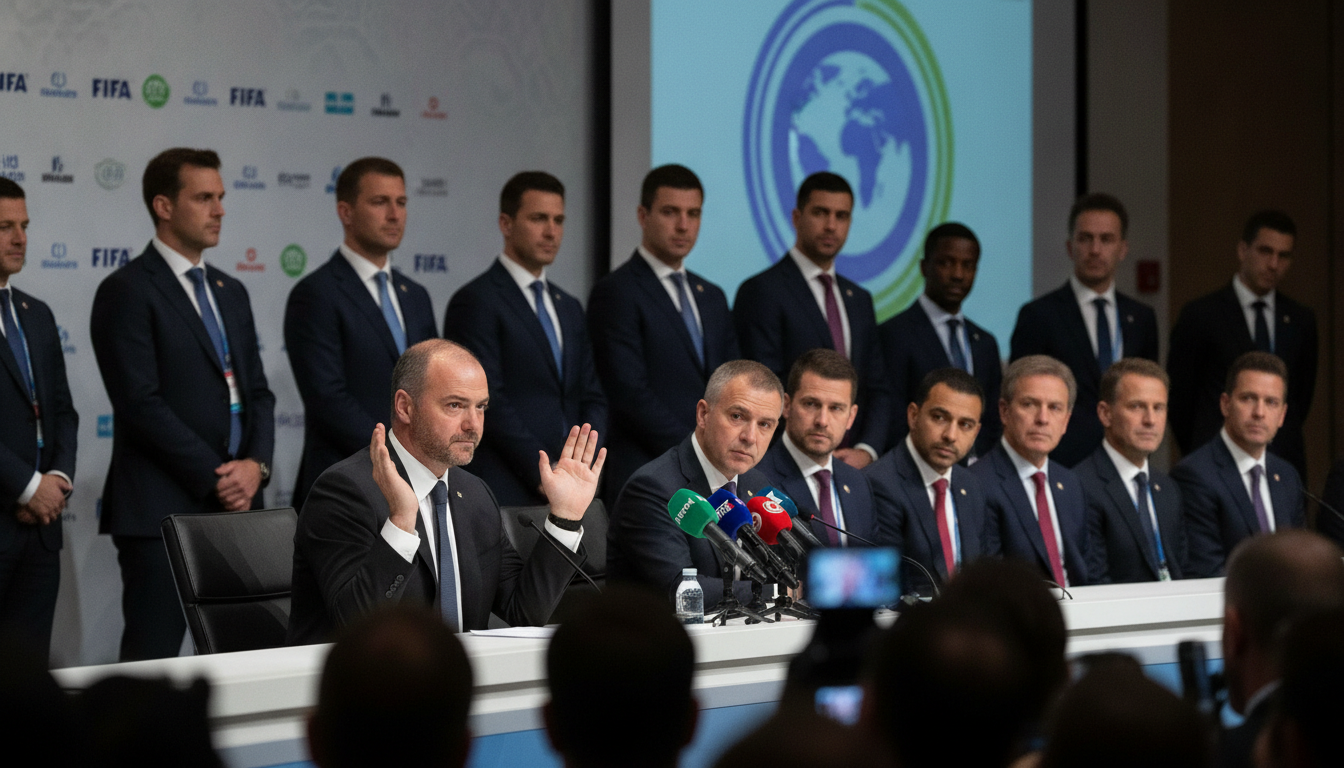
In Rabat, senior staff including Secretary General Mattias Grafström and members of FIFA’s management board publicly offered support to Gianni Infantino, with the organisation insisting the leadership remains united in stabilising the institution.
Those present at the crisis meeting on Wednesday, August 5, 2026, framed the show of unity as necessary to restore confidence internally and externally after the controversy exposed fault lines over governance and commercial strategy.
What the FFE proposal entailed and why it provoked backlash
The contested proposal involved plans by FIFA leadership to create a commercial vehicle, referred to in internal briefings as FIFA Forward Enterprise, intended to monetise a portion of future World Cup revenues through external partnerships or sales of profit streams.
Critics argued the model risked undermining FIFA’s not-for-profit status and could create conflicts of interest, while many member associations and observers raised concerns about transparency, oversight and whether proper governance processes had been followed before the plan was made public.
Acknowledgement of mistakes and abandoned plan
FIFA confirmed that the specific proposal to sell stakes in World Cup income has been abandoned, and the organisation acknowledged errors in how the initiative was developed and communicated.
The statement said those mistakes were recognised by senior staff and that lessons would be drawn to prevent recurrence, with FIFA committing to review internal controls around commercial decision-making and the pathways by which major strategic proposals are approved.
Grafström’s earlier distancing and subsequent endorsement
Secretary General Mattias Grafström had earlier expressed public unease about the episode in an internal email to FIFA staff, describing the prior week as a “sad and reproachable series of events,” language that highlighted internal tensions over the initiative.
Despite that earlier distancing, Grafström joined other senior managers in Rabat to reaffirm their support for Gianni Infantino’s presidency, signalling a pragmatic step by the administration to close ranks and prioritise institutional stability while acknowledging procedural failures.
Pressure from member associations and calls for accountability
The failed proposal triggered sharp reactions from some member associations and governance watchdogs, with calls for clearer accountability, independent scrutiny and, in some quarters, demands that leadership changes be considered if reforms were not forthcoming.
FIFA’s letter to the Council and associations, and the public acknowledgement of mistakes, appear aimed at defusing the immediate political fallout, but the episode has renewed scrutiny of how major commercial initiatives are developed and who is empowered to approve them.
Next steps: oversight measures and governance reforms pledged
FIFA has pledged to implement measures designed to tighten oversight of large commercial projects, including more rigorous internal review procedures and clearer lines of responsibility for proposals that could affect the organisation’s statutory status and brand.
The governing body indicated it will engage member associations on a timetable for proposals intended to improve transparency, while also signalling an intent to consult legal and financial advisers to ensure any future commercial plans comply with FIFA’s regulatory framework and public expectations.
Impact on sponsorships, broadcasting and World Cup planning
Commercial partners and broadcasters will be watching closely as FIFA seeks to contain reputational damage and reassure stakeholders that World Cup revenues and contractual relationships remain secure.
While the abandoned plan did not immediately affect scheduled tournament operations, the incident has underscored the commercial sensitivity of the World Cup asset and the importance of predictable governance in preserving sponsor confidence and long-term media agreements.
Political dynamics within FIFA and longer-term implications
The crisis exposed tensions between a leadership eager to explore new revenue models and a membership more cautious about preserving FIFA’s not-for-profit identity and established governance norms.
How the organisation responds—through reforms, independent reviews or renewed transparency measures—will shape member association sentiment and influence whether confidence in the president and senior management can be fully restored over the medium term.
The apology and the Rabat meeting’s show of support represent an immediate attempt to stabilise FIFA leadership, but the episode has set expectations for tangible governance changes that will be monitored by associations, commercial partners and global football stakeholders as the organisation moves forward.