
Real Betis clinch Champions League spot with 2-1 win over Elche at La Cartuja
Real Betis clinch Champions League spot with a 2-1 win over Elche at La Cartuja; Pellegrini praised the squad’s resilience amid injuries and tough results.

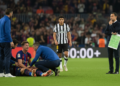
Real Betis secured a return to the Champions League after a 2-1 victory over Elche at La Cartuja, sealing qualification thanks to both their result and a Celta Vigo defeat elsewhere. The win ensured Real Betis Champions League football next season, a major objective the club and coach Manuel Pellegrini had targeted. The achievement completes a continental milestone for Pellegrini, who has now taken every Spanish side he has managed into Europe’s top competition. Supporters inside the stadium celebrated a season that overcame injuries, difficult defeats and heavy fixture congestion to deliver a long-awaited reward.
Pellegrini celebrates Champions League return
Manuel Pellegrini expressed unreserved joy after the match, highlighting the emotional weight of delivering Champions League qualification to the club and its supporters. He credited the squad’s character and the work of the coaching staff and board, noting that the campaign weathered several setbacks. Pellegrini emphasized the collective effort, from players who stepped up when called upon to medical and fitness teams who managed recoveries. The coach framed the qualification as a shared accomplishment for everyone linked to the club.
Pellegrini underlined that the result validated the standards set at the start of the season and the team’s response to adversity. He reflected on painful losses and recurring injuries that tested the group but said the team consistently found ways to bounce back. The coach also acknowledged the supporters’ role, saying their presence and backing were important during difficult stretches. While he celebrated the milestone, Pellegrini refrained from discussing his future, describing that conversation as not for the present moment.
Match events at La Cartuja defined outcome
The game against Elche was decided by two well-timed strikes from Real Betis and a determined defensive effort to preserve the lead. Betis managed to take the advantage despite a first half that Pellegrini judged overly passive, and the second-half response changed the dynamic. Elche managed to level at one point, but Betis regained control and found a second goal that ultimately proved decisive. The match unfolded as a tense contest in front of a partisan crowd, with both teams striving for control of key moments.
From a statistical perspective, chances were limited for both sides in the opening 45 minutes, with Betis converting one of their few clear opportunities. The second half saw a more proactive Betis approach that pressured Elche into mistakes and opened spaces. Late phases of the match required disciplined defending and careful game management, which Betis executed to maintain their advantage. That collective defensive focus helped neutralize Elche’s late efforts and ensured the final whistle confirmed qualification.
Tactical adjustments and second-half response
Pellegrini’s message at halftime was pragmatic: the team needed to raise its intensity and play with greater purpose to secure the required win. Players responded by increasing pressing and moving the ball quicker in transition, creating more clear-cut opportunities. Changing the tempo and reasserting control in midfield allowed Betis to dominate possession more effectively in the second half. That shift in mentality turned a match that had threatened to slip away into a victory-defining performance.
Defensively, Betis tightened their lines and reduced risky passing in dangerous areas to protect the slender lead. Full-backs and midfielders tracked runners diligently, limiting Elche’s ability to counterattack down the flanks. The coaching staff also emphasized set-piece vigilance at a crucial stage of the contest, recognizing how scraps can shift momentum. Those small, organized improvements combined to preserve a result that carried enormous weight for the club’s season.
Resilience through injuries and a congested calendar
Real Betis’ season was punctuated by injury setbacks and a heavy match schedule, factors Pellegrini cited when reflecting on the accomplishment. The squad endured spells where key players were unavailable, forcing frequent rotations and testing squad depth. Despite those challenges, rotation produced reliable contributions from those outside the usual starting eleven. The ability of fringe players to step in and maintain standards proved decisive in navigating a congested calendar.
Managing player workloads and medical recovery became central to Betis’ campaign planning as the season progressed. The medical and fitness teams worked closely with coaching staff to mitigate long-term absences and accelerate returns when safe. That operational coordination allowed the team to sustain competitive levels across different competitions. Pellegrini credited the staff behind the scenes for enabling the squad to compete at the level required to clinch Champions League qualification.
Pellegrini’s continental record across Spanish clubs
The qualification adds another chapter to Manuel Pellegrini’s record of guiding Spanish clubs into the Champions League, reinforcing his reputation for consistent continental performance. In his remarks he pointed out that every Spanish team he has coached has reached Europe’s top-tier competition under his stewardship. That pattern highlights Pellegrini’s capacity to build competitive sides capable of finishing among the domestic elite. The milestone underscores both managerial longevity and an ability to adapt tactics to different groups of players.
Observers note that Pellegrini’s experience in high-stakes environments proved valuable as Betis navigated pressure-filled moments late in the campaign. His pragmatic approach, coupled with an insistence on discipline and squad unity, has been a throughline in teams he has managed. The qualification at La Cartuja offers fresh validation of a methodology that balances attacking intent with defensive organization. For the club, that pedigree provides a stable foundation as Betis prepare for the financial and sporting demands of European competition.
Implications for Betis’ sporting and financial planning
Securing a Champions League place has immediate sporting implications, including increased revenue, an elevated recruitment profile and greater attraction for potential signings. Access to Europe’s premier club competition typically expands commercial opportunities, sponsor interest and matchday income. Sporting directors will need to balance reinforcements with continuity, reinforcing positions weakened by injuries while retaining the core that produced success. The club’s hierarchy must also plan for fixture congestion and squad rotation to remain competitive on multiple fronts.
From a strategic viewpoint, Champions League qualification will reshape Betis’ offseason priorities, influencing contract negotiations and transfer market targets. The coaching staff will assess which areas require depth to compete at a higher level and which player roles should be preserved. Youth development pathways may also receive renewed focus as the club seeks cost-effective ways to bolster squad depth. Finally, the financial boost associated with European competition can underwrite longer-term investments in infrastructure and scouting.
Real Betis supporters reacted with elation as their team confirmed Champions League football, turning a season of hardship into one of celebration. The qualification provides a significant morale lift for the fan base and reinforces faith in the club’s footballing project. As preparations for the next campaign begin, expectations will rise both domestically and in Europe.
The club and coaching staff now face the task of converting this achievement into a sustainable sporting platform while managing the practical demands of European competition. The immediate focus will be on recovery, targeted reinforcements and maintaining the team spirit that carried Betis through injuries and setbacks. For supporters and stakeholders, the return to the Champions League signals a new chapter that will test the club’s ambition and operational capacity in equal measure.