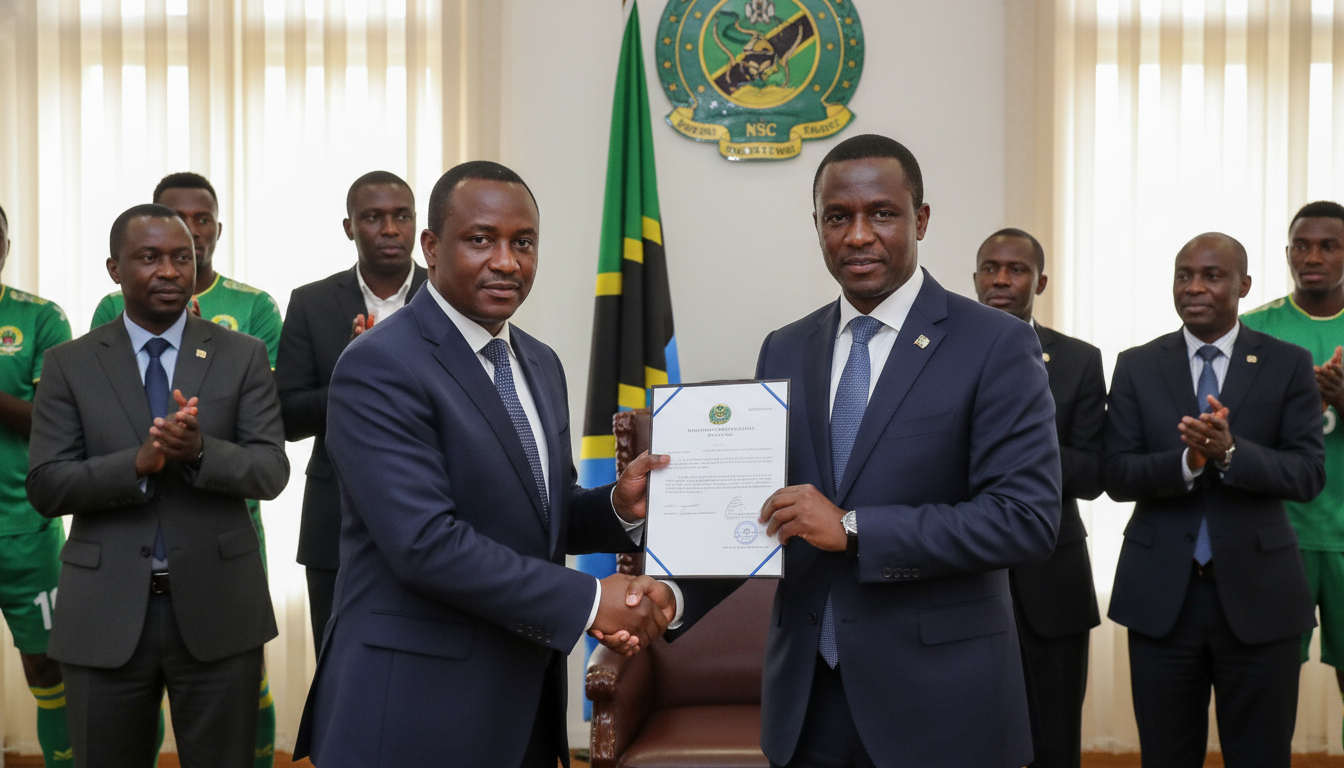
Haji Manara named official spokesperson for Tanzania national football teams
Haji Manara appointed official spokesperson for Tanzania’s national football teams on May 28, 2026, to strengthen publicity and coordination under the NSC.


Tanzania’s Minister for Information, Culture, Arts and Sports, Paul Makonda, announced on May 28, 2026 that Haji Manara has been appointed the official spokesperson for all national football teams. The appointment, made at Parliament grounds in Dodoma, assigns Manara responsibility for communicating matters related to the senior and youth national squads. The move is intended to centralize messaging, raise the profile of the teams, and improve engagement with supporters and media.
Makonda names Manara national teams spokesperson
The announcement was delivered directly by Minister Paul Makonda during a briefing at Parliament in Dodoma on May 28, 2026. Makonda said the appointment will improve coordination and visibility of national team affairs and that Manara will report through the National Sports Council structure. Officials indicated the decision follows consultation within the Ministry and with sporting stakeholders who cited the need for a single, consistent voice.
Minister Makonda specified that Manara will operate under the NSC (BMT) framework as he executes his duties, aligning communications across federations and teams. The arrangement is designed to ensure timely dissemination of team news, match information, and public statements. The Minister framed the change as part of a broader effort to professionalize the administration and public presentation of Tanzania’s national football programs.
Manara’s communications track record at Simba and Yanga
Haji Manara is a well-known figure in Tanzanian football communications, having served as Head of Communications at Simba SC, where he boosted the club’s media presence. During his tenure at Simba, Manara oversaw media campaigns, matchday communications, and initiatives to deepen fan engagement, earning recognition for clearer messaging and improved club-media relations. He later moved to Young Africans (Yanga), taking on a similar high-profile communications role and reinforcing his reputation across rival fanbases.
At both clubs Manara developed relationships with national and regional media outlets and managed the flow of information during high-pressure fixtures and continental competitions. Those experiences are expected to serve him well in the national role, where coordination with broadcasters, sponsors, and governing bodies is more complex. Sources familiar with the clubs’ media operations said Manara’s appointment reflects his ability to balance competitive club loyalties with professional communications standards.
Scope and duties under the National Sports Council
Under the terms announced by the Ministry, Manara will handle public communications for all Tanzania national football teams, spanning senior men’s and women’s squads and age-group sides. His responsibilities will include issuing official statements, arranging press briefings, coordinating media accreditation, and acting as the primary point of contact for journalists. The NSC (BMT) will provide the administrative oversight and logistical support for the role, ensuring alignment with broader sports policy.
The position aims to create a unified communications strategy that can be activated before qualifiers, tournaments, and training camps, reducing mixed messaging and preventing misinformation. Manara will also be expected to liaise with team coaches, federation officials, and player representatives to ensure accuracy and timeliness of information. The centralized model reflects a trend in national federations to professionalize media relations and present coherent narratives to domestic and international audiences.
Reactions from clubs, media and supporters
Early responses from media professionals and supporters were mixed but cautious, with many welcoming the prospect of clearer, more consistent information from national team camps. Club insiders noted that while centralized national communications can streamline messaging, successful implementation will require strong cooperation between the NSC, federations, and domestic clubs. Journalists emphasized the need for prompt access to information and transparency around selection, injuries, and logistics.
Fan groups conveyed guarded optimism that a single spokesperson would improve matchday information and public engagement, particularly during major qualifiers and regional tournaments. Some supporters raised questions about how the role will handle potential conflicts between club confidentiality and national team transparency. Observers said an early test will be how the office manages communications around squad announcements and injury assessments ahead of competitive fixtures.
Potential impact on national team visibility and sponsorship
A centralized communications role could raise the profile of Tanzania’s national teams, making them more attractive to broadcasters and commercial partners. Consistent messaging and proactive media engagement often translate into improved sponsorship packages and broader exposure in regional markets. By framing narratives more effectively, the national teams may generate larger audiences for qualifiers and friendlies, enhancing revenue opportunities for the NSC and federations.
Improved publicity may also aid talent recognition and scouting by ensuring player performances at club and international levels are recorded and highlighted. That, in turn, could increase the marketability of individual players and the reputation of Tanzanian football on the African stage. However, specialists caution that communications improvements must be matched by on-field results and organizational transparency to sustain commercial interest.
Implementation timeline and immediate priorities
According to the Ministry statement, Haji Manara’s appointment is effective immediately and he will begin work with NSC officials to establish operational protocols. Immediate priorities include setting up a schedule of regular media briefings, defining accreditation processes for home and away matches, and creating a central contact point for international media inquiries. The NSC and Ministry expect initial protocols to be in place within weeks, ahead of upcoming fixtures and training camps.
Manara will also be charged with producing a short-term communications plan that addresses crisis response, social media strategy, and engagement with diaspora communities. Coordination with the Tanzania Football Federation and club communications officers will be critical in the early phase to avoid duplication and ensure consistent access for reporters. Officials indicated they will review the arrangement after an initial period to assess effectiveness and refine the role as necessary.
The appointment of Haji Manara marks a deliberate step by the government and sports authorities to modernize how national football teams communicate with the public and media. If effectively implemented, the change could bring more organized coverage and greater public engagement with Tanzania’s football programs, while also presenting new expectations for transparency and collaboration among stakeholders.