LaLiga attendance record: 11.693.679 spectators make 2025/26 the busiest season in history
LaLiga attendance record confirmed for 2025/26 as 11,693,679 fans filled stadiums, occupancy rose to 84.9% and the average crowd hit 31,018—the strongest showing in over a decade.


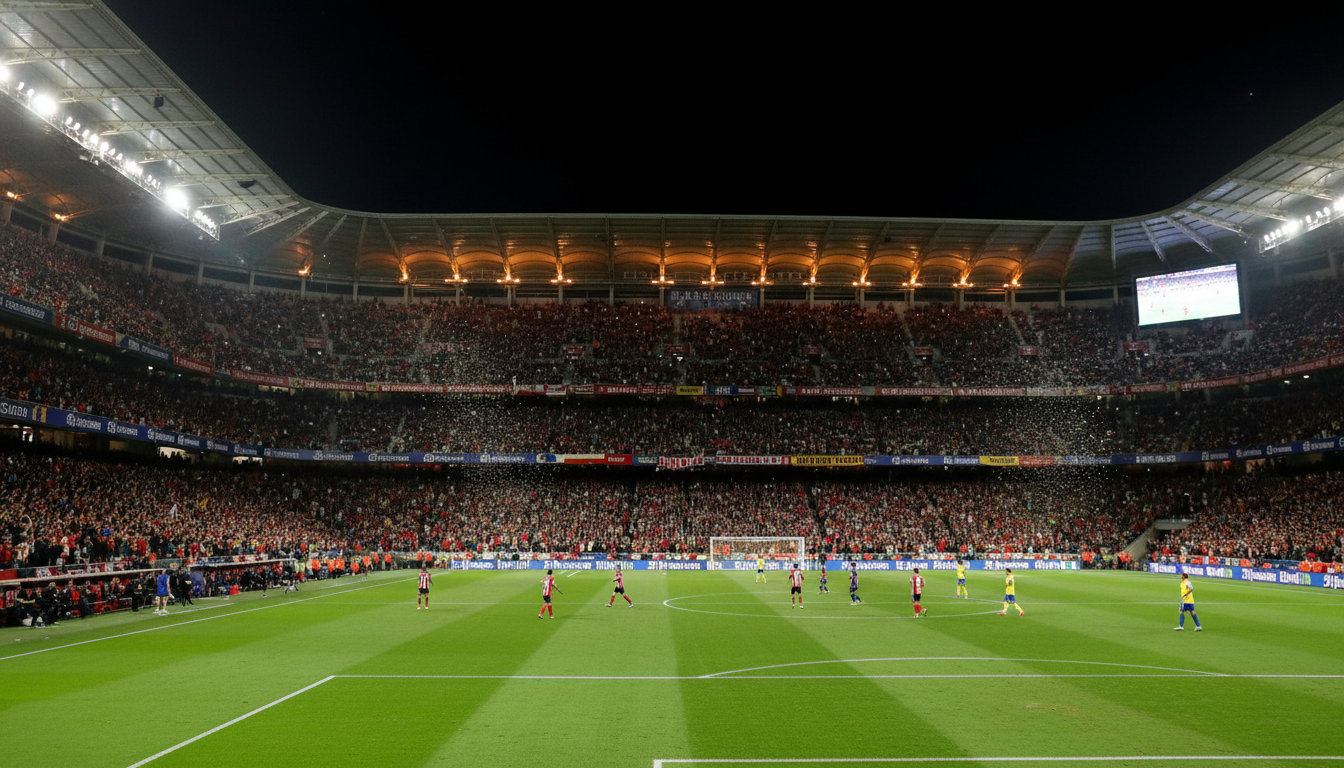
LaLiga attendance record headlines the close of the 2025/26 season after the league announced a new all-time high in matchgoing spectatorship. The competition registered 11,693,679 attendees across the 380 top-flight fixtures, a clear increase on the prior campaign and a sign of growing public engagement. League officials highlighted both the total and the rise in stadium occupancy as evidence of robust demand for domestic club football.
Attendance Tops 11.69 Million Across 380 Matches
LaLiga reported a season total of 11,693,679 spectators, which represents a 4.2 percent rise on last season’s figure of 11,202,544. That total covers the 38 rounds of the Primera División, where each of the 20 clubs hosted ten home matches. The figure sets a new benchmark for the league and closes a multi-year trend of rising matchday interest.
The calculation also reflects broader improvements in fan retention and matchday marketing, according to the league’s summary of the data. Clubs across the country contributed to the increase, with several mid-table and provincial venues posting notable upticks. The league framed the surge as proof of the competition’s expanding appeal both domestically and to visiting supporters.
Stadium Occupancy Reaches 84.9 Percent
Occupancy rates were a central component of the report, with stadium fill levels averaging 84.9 percent for the season. That percentage marks a record high and suggests more consistent attendance relative to capacity than in recent years. League executives pointed to better ticketing strategies, targeted promotions, and calendar planning as factors supporting fuller stands.
Higher occupancy also mitigates the impact of large venues operating below capacity and underlines the role of smaller and mid-sized grounds in sustaining overall averages. The occupancy metric offers a complementary view to raw attendance totals by showing how effectively clubs convert available seats into paying fans during each matchday.
Average Crowd Highest Since 2014–15 at 31,018
The league’s average per-match attendance rose to 31,018 spectators, the highest figure recorded since the 2014–15 season. This marks a meaningful recovery in per-game crowding, signalling that marquee fixtures and regular-match interest both contributed to elevated averages. For many clubs, reaching a 30k-plus average reflects improvements in matchday experience and season-ticket retention.
Analysts who track domestic European leagues view the return to higher averages as notable, particularly given the competition for live sports entertainment. The boost in per-game numbers reinforces LaLiga’s standing among Europe’s best-attended competitions and strengthens the commercial case for further investment in stadium services and fan engagement.
Stadium Renovations and Capacity Constraints Affected Totals
The report acknowledged that some venues operated at reduced capacity during the season because of renovation projects, with notable examples including the Nuevo Camp Nou, the Coliseum Alfonso Pérez in Getafe, and Balaídos in Vigo. Those refurbishments limited seat availability for stretches of the campaign and therefore tempered what could have been an even larger aggregate attendance. Clubs undergoing works ran phased schedules that prioritized safety and long-term capacity improvements.
Despite those constraints, overall attendance still rose, which the league described as particularly encouraging given the temporary loss of seats at several major stadiums. The data therefore underlines both the resilience of demand and the potential upside once renovations are completed and full capacities are restored. For clubs investing in infrastructure, the current figures provide an early return on the assumption that modernized venues attract more fans.
Sporting calendar and commercial initiatives cited for growth
LaLiga attributed part of the increase to a combination of competitive balance across the season and intensified commercial outreach by clubs and the league office. The calendar featured compelling fixtures distributed across weekends and prime-time slots, which helped sustain interest through the closing rounds. Meanwhile, clubs expanded membership packages, family offers, and digital engagement tools aimed at converting casual viewers into regular attendees.
The league also highlighted collaborations with regional authorities and transport providers that made matchday access easier for fans traveling from surrounding areas. These operational adjustments, combined with sponsorship activations and matchday entertainment, created a more attractive in-stadium proposition. LaLiga’s communications indicated that those initiatives are part of a multi-year plan to increase both attendance and the quality of the fan experience.
Commercial and broadcasting implications for clubs
Higher aggregate attendance and improved occupancy levels have immediate financial implications for clubs, particularly at matchday revenue, concessions, and retail. For teams with rising gate receipts, the boost may help offset wage and transfer market pressures and support reinvestment in squads or stadia. Better crowd numbers also strengthen clubs’ positions in negotiating local sponsorships and matchday partnerships.
From a broadcasting perspective, a sustained audience in stadiums complements TV and streaming viewership by reinforcing the competition’s premium value. Broadcasters and rights holders tend to prize leagues that demonstrate strong live attendance because it indicates a vibrant, marketable product. The combined uplift in in-person and remote engagement positions LaLiga favorably ahead of future rights cycles.
LaLiga will need to monitor whether the increase is evenly distributed among clubs or concentrated among a few high-drawing teams. A healthy distribution suggests systemic growth, whereas concentration could expose smaller clubs to uneven revenue trends.
What the figures mean for fan experience and stadium investment
The record attendance and occupancy numbers put renewed emphasis on stadium operations and fan services, as clubs seek to translate interest into long-term loyalty. Investments in seating, hospitality, accessibility, and matchday technology are likely to accelerate as clubs aim to maximize per-visitor revenue and deliver a modern experience. Those improvements also serve the league’s stated goal of making every matchday both safe and commercially productive.
For supporters, upgraded facilities and improved matchday offerings may justify higher ticket prices over time, though clubs will face the challenge of balancing revenue growth with affordability. Community engagement programs and targeted offers for families and younger fans will be key to converting one-off attendances into sustained followership.
The league’s emphasis on occupancy suggests that clubs should prioritize initiatives that increase seat utilization rather than simply expanding capacity. Higher utilization drives atmosphere and encourages repeat attendance.
The season’s attendance figures provide momentum heading into planning for the next campaign. Clubs and the league will likely review scheduling, ticketing models, and fan engagement strategies with an eye toward sustaining the gains.
LaLiga’s record-breaking attendance underscores resilience in live football demand despite ongoing competition for leisure spending. The 11,693,679 total, 84.9 percent occupancy, and 31,018 average together sketch a domestic competition in growth mode. As major stadiums complete renovations and clubs refine commercial offerings, the league and its teams will seek to convert this season’s positive trends into longer-term stability and revenue growth.