Girona vs Elche: Álvaro Rodríguez’s 38th-minute strike gives Montilivi an early lead
Girona vs Elche preview: Álvaro Rodríguez struck in the 38th minute as the LaLiga EA Sports clash at Municipal de Montilivi produced a decisive moment that shaped the encounter. The matchday 38 fixture featured busy lineups from both sides and a series of cautions and tactical switches that influenced the second half.

Match snapshot and opening summary
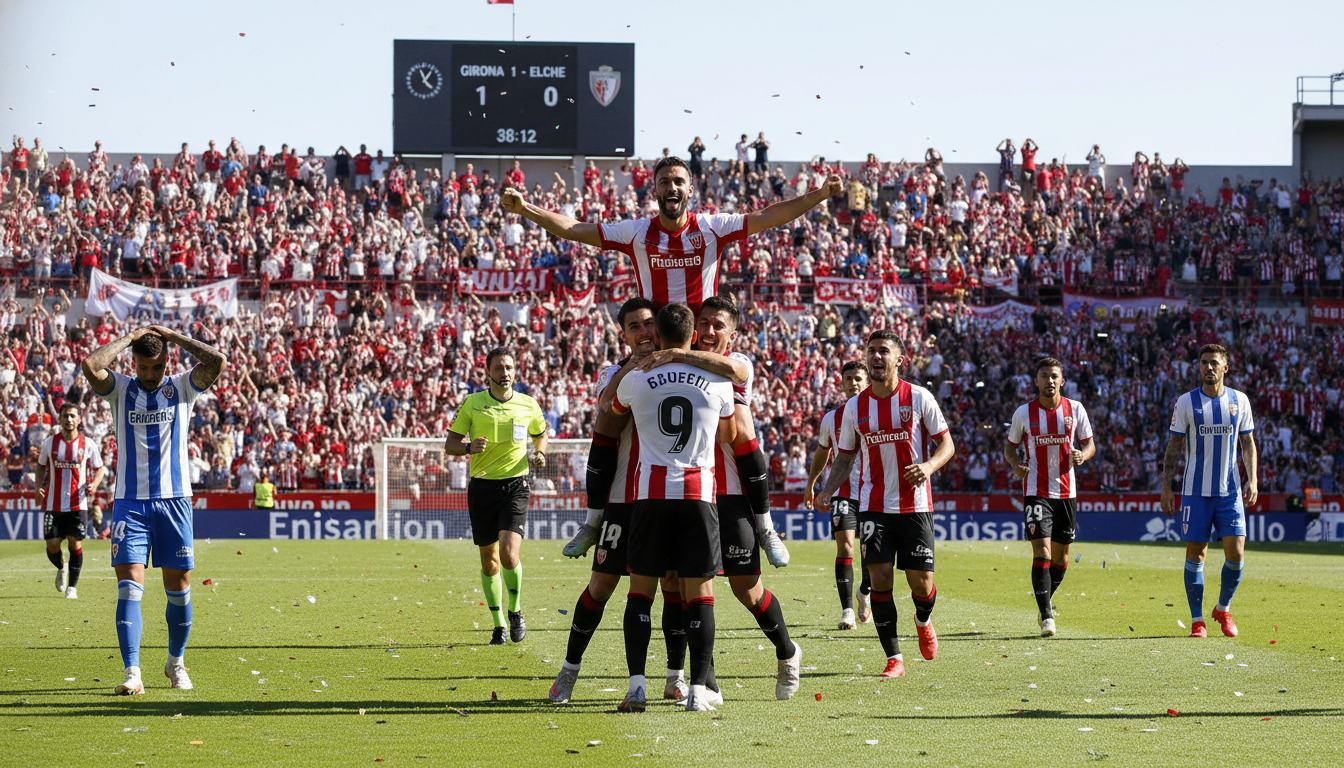
Girona vs Elche was contested at the Municipal de Montilivi on LaLiga EA Sports matchday 38, where the early pattern of play produced a goal before half-time. Álvaro Rodríguez delivered the decisive finish in the 38th minute to put one side ahead and force both coaches into reactive adjustments. The stadium atmosphere reflected the stakes of a final-day meeting, with managers Míchel Sánchez and Eder Sarabia guiding their teams through a tightly fought 90 minutes.
Both sides settled into structured formations from the outset, seeking to control transitions and limit space between lines. The goal arrived after a period of probing attacks and compact defending, with the scorer rewarded for timing and movement in the penalty area. After the opener, the game opened up slightly as the trailing side pressed for a response while the leaders looked to manage the clock.
Starting lineups and tactical shapes
Managers named full squads that blended experience and youth, with recognizable names across both benches ready to change the tempo. Girona’s selection included established campaigners and creative outlets tasked with supplying chances from wide and central positions. The visiting lineup paired a compact back line with midfield runners expected to disrupt possession and create quick outlets on the counter.
Both sides employed a four-man defensive base with midfield units that alternated between a double pivot and staggered pressing units depending on possession. The home team sought to exploit the flanks and feed runners into the box, while the visitors aimed to limit those avenues and work through tighter, shorter passing sequences. Coaches used their benches to alter approaches: a 66th-minute introduction tempered the visitors’ midfield with a fresh profile and later changes attempted to re-balance control in the final third.
The decisive goal and its build-up
The match’s defining moment came in the 38th minute when Álvaro Rodríguez converted to open the scoring, a strike that proved pivotal. The goal followed a sustained period of territorial advantage from the home side, with a combination of quick interchanges and a final penetration that destabilized the defensive block. The finish itself showed composure and timing, leaving the opposition goalkeeper with little chance.
That opening strike changed the dynamics for the remainder of the half, forcing the trailing side to commit more players forward and inviting counter opportunities. Defending teams adjusted their shape to limit second balls and reduce space for runners from deep. The goal underscored the importance of clinical finishing in tightly matched LaLiga contests where few clear-cut openings are available.
Discipline, bookings and referee interventions
The game was punctuated by a series of yellow cards that had a tangible influence on how each team could operate. Early and mid-match cautions forced key midfielders and defenders to temper their challenges, affecting physicality and pressing intensity. Notable bookings included cautions shortly after half-time and late in the contest that limited options for tactical fouling and aggressive pressing.
Those disciplinary moments altered substitution patterns, with managers cautious to avoid sending on players who might immediately incur second bookings. The caution count also shaped late-game strategies, as teams with booked players were reluctant to engage in risky challenges inside dangerous areas. The referee’s interventions maintained flow while ensuring the physical edges of the match were controlled.
Substitutions, momentum swings and second-half adjustments
Substitutions played a decisive role in the match’s rhythm, particularly a 74th-minute change that removed the goal scorer and prompted a tactical reshuffle. Managers used their replacements to either shore up protection for a slender lead or to inject fresh impetus in pursuit of an equalizer. One early second-half change at the 66th minute introduced a creative figure into midfield, which briefly shifted possession patterns.
Momentum shifted several times after the interval, with the trailing team increasing intensity and the leading side alternating between cautious management and selective counter-attacking. Strategic changes in personnel aimed to control transitions and limit exposure to quick breaks. Late alterations sought to run down the clock while preserving defensive balance and exploiting set-piece opportunities.
Implications for both clubs and the broader LaLiga context
The outcome of Girona vs Elche carried immediate competitive implications for both clubs as they closed the LaLiga campaign. A victory in the final matchday meeting provided a boost to the winning side’s short-term momentum and offered a clearer conclusion to the season’s narrative for players and staff. For the side that conceded, the result prompted questions about finishing efficiency and defensive timing that will likely shape end-of-season assessments.
Coaches faced a post-match checklist that included injury monitoring, evaluating squad depth, and planning for the summer transfer window. Tactical lessons from this match—particularly in managing tight leads and responding to mid-game disciplinary constraints—will inform preseason work and potential adjustments in recruitment. Both clubs must also consider how individual performances from younger players may influence next season’s squad composition.
Key player performances and tactical takeaways
Several individuals stood out for their contribution to the match’s balance, both on-ball and in defensive actions. The opening goal scorer’s movement and finishing were decisive, while certain midfielders influenced tempo through ball circulation and defensive cover. Defenders on both sides showed resilience in one-on-one situations and aerial duels, which limited clear opportunities inside the penalty area.
Tactically, the match reaffirmed the value of compact defensive blocks combined with targeted offensive transitions. Teams that managed to limit turnovers in midfield were more successful in creating controlled attacking sequences. The game also underscored the importance of bench management, as measured substitutions altered momentum and helped close out phases of the contest.
Final preparations for the off-season will incorporate fitness reports from the match, with both coaching staffs expected to review recovery plans and medical assessments. Individual minutes for young prospects who featured could accelerate their integration into next season’s rotation. The closing weekend of LaLiga offers a natural review point for squads to consolidate lessons and set objectives ahead of pre-season work.
The 38th-minute strike by Álvaro Rodríguez and the subsequent tactical adjustments defined a match that balanced moments of attacking intent with disciplined defending, leaving both sides with clear takeaways as they turn their attention to off-season planning and future campaigns.