Kitara FC clinch 2026 Stanbic Uganda Cup with 2-1 comeback over SC Villa
Kitara FC beat SC Villa 2-1 in Njeru to win the 2026 Stanbic Uganda Cup, securing a CAF Confederation Cup spot as fan interest and media coverage rose.
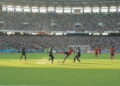

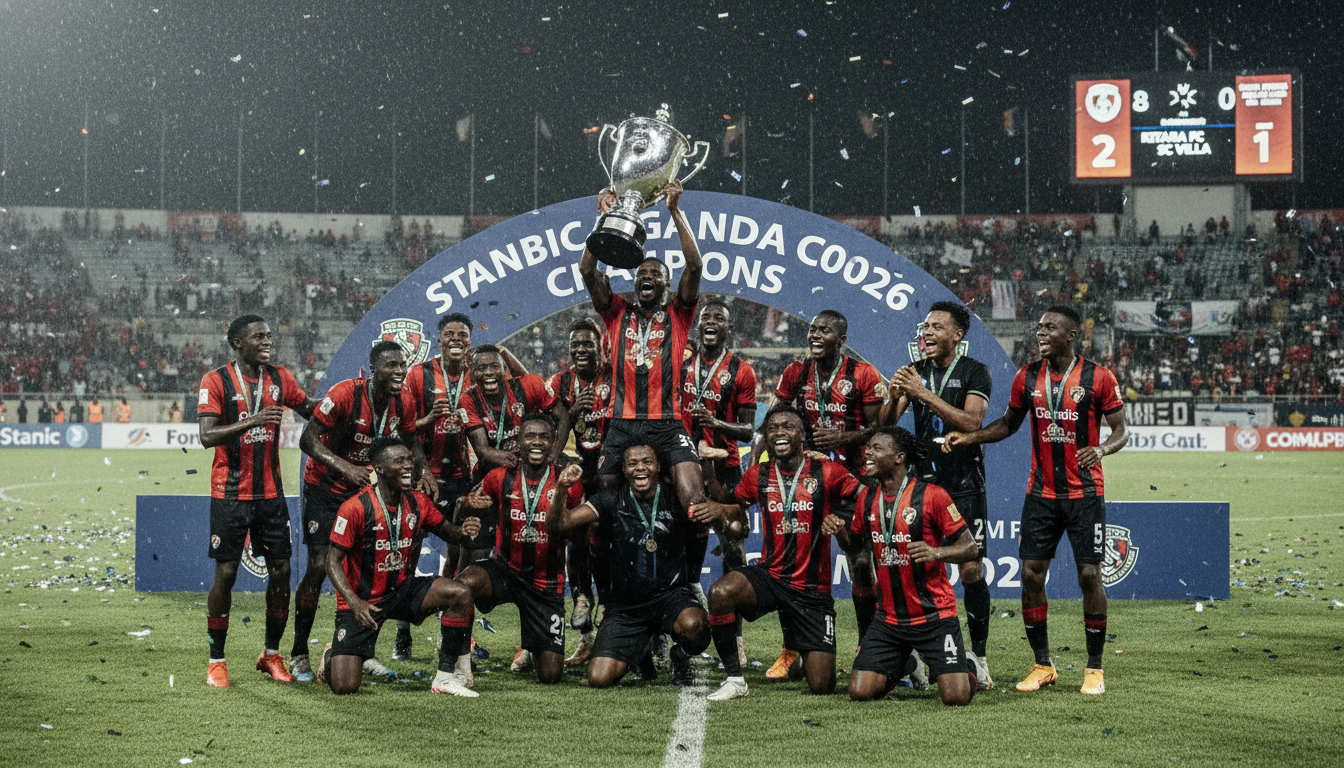
Kitara FC completed a memorable comeback to lift the 52nd Stanbic Uganda Cup, defeating SC Villa 2-1 at the FUFA Technical Centre in Njeru. The final saw SC Villa open the scoring before Kitara responded quickly to level and then took the lead in the second half through Jimmy Kalema’s decisive strike. The victory is Kitara’s second Uganda Cup triumph in three seasons and guarantees the club a place in the 2026/27 CAF Confederation Cup. Large, vocal crowds and heightened media attention underscored the growing profile of the competition across the country.
Match narrative and key moments
The final began with high intensity as both sides sought early control, and SC Villa struck first to take a shock lead. Kitara reacted swiftly, drawing level before halftime through a composed response that changed the shape of the contest. In the second half, Jimmy Kalema produced the decisive moment with a strike that found the net and put Kitara ahead for the first time. From that point Kitara managed the game effectively, protecting their lead while SC Villa pushed for an equaliser.
Tactical adjustments from Kitara’s coaching staff were evident after the break, with substitutions and a tighter midfield structure limiting Villa’s service to the forwards. SC Villa’s influence waned as the contest progressed, and defensive discipline from Kitara prevented clear chances in the closing stages. The match finished 2-1, reflecting a narrow but decisive advantage in momentum and execution for the champions. The final whistle confirmed a season-defining achievement for Kitara FC.
Standout performers and tournament awards
Several individual displays at the final and across the tournament drew attention, with Kitara players prominent among the award winners. Gadafi Wahab was named Most Valuable Player and Best Midfielder after consistently influencing possession and transitions throughout the competition. Meddie Kibirige received the Best Goalkeeper award for a series of crucial saves that helped Kitara progress in tight matches.
George Senkaaba finished among the tournament’s top scorers with four goals, while Frank Tumwesigye earned Man of the Match honours for his impact in the final. SC Villa captain David Owori was recognised as Best Defender for his leadership and defensive contributions during Villa’s run. The distribution of awards highlighted both Kitara’s depth and Villa’s quality, underscoring the competitive balance that made this edition compelling.
Impact on Kitara FC and continental prospects
By securing the Stanbic Uganda Cup, Kitara FC guarantee participation in the 2026/27 CAF Confederation Cup, presenting the club with continental exposure and new competitive challenges. Qualification places a premium on squad planning, travel logistics, and potential reinforcements as the club prepares to face stronger opposition across Africa. For Kitara, the next phase will test their capacity to balance domestic commitments with continental fixtures while maintaining the momentum generated by this trophy.
The club’s management acknowledged the need to bolster resources in key areas, including depth in midfield and options in attack, to remain competitive on multiple fronts. Participation in the Confederation Cup also opens commercial and developmental opportunities for Kitara, from increased visibility to potential sponsorship interest. The triumph therefore represents not only silverware but a strategic inflection point for the club’s ambitions.
Attendance, atmosphere and the growth of the competition
The final attracted a sizable crowd to Njeru, where supporters created a vivid and energetic atmosphere that reflected the tournament’s expanding appeal. Organisers and sponsors noted improved turnout and engagement compared with previous editions, with regional fan bases travelling to witness the occasion. That increase in attendance has coincided with broader media coverage and a heightened profile for the Stanbic Uganda Cup across digital and traditional channels.
Stakeholders pointed to the competition’s growth as a marker of progress for Ugandan football, citing rising standards in matchday presentation and fan experience. The lively stands on finals day illustrated how local cup football can mobilise communities and generate momentum for clubs beyond league play. Sustained audience growth will be critical to the competition’s commercial viability and its ability to attract further investment in grassroots and club development.
Sponsor role and community engagement
Kansai Plascon, a prominent tournament sponsor involved through its Twaake activation, emphasized the company’s long-term commitment to developing the Stanbic Uganda Cup. Representatives highlighted six years of involvement and pointed to measurable improvements in competition quality, fan turnout, and media interest during that period. The sponsor framed its investment as part of a broader focus on sports development, youth participation and community engagement.
Marketing officials stressed that sponsorship activations at match venues were designed to strengthen local ties and create pathways for youth programmes aligned with football development. Sponsors noted that the visibility of the Cup finals amplifies their community initiatives and provides a platform for promoting participation at grass-roots level. The collaboration between sponsors, organisers and clubs was presented as a model for leveraging commercial support to deliver social as well as sporting returns.
Pathways to the final and season context
Kitara’s route to the final combined tactical resilience with effective squad rotation across earlier rounds, allowing the team to peak at the right time in the knockout phase. The club navigated a series of tightly contested fixtures, relying on defensive organisation and moments of attacking quality to progress. SC Villa’s progression to the final reflected their own blend of experienced leadership and promising younger talent, setting up a final that matched historical prestige with current competitiveness.
Throughout the tournament, match officials and organisers worked to ensure fixtures proceeded smoothly, with scheduling and venue arrangements managed to accommodate increased attendance. The tournament’s calendar placed the final at the FUFA Technical Centre in Njeru, a venue that has hosted important matches and provided facilities suited to a showcase event. The overall trajectory of the competition this season has demonstrated improved planning and execution by stakeholders.
Kitara FC’s 2-1 victory in Njeru concludes the 2026 Stanbic Uganda Cup and sends the champions into continental competition while reinforcing the tournament’s rising significance in Ugandan football. Future editions will be watched closely for further growth in attendance, media reach and competitive standard.