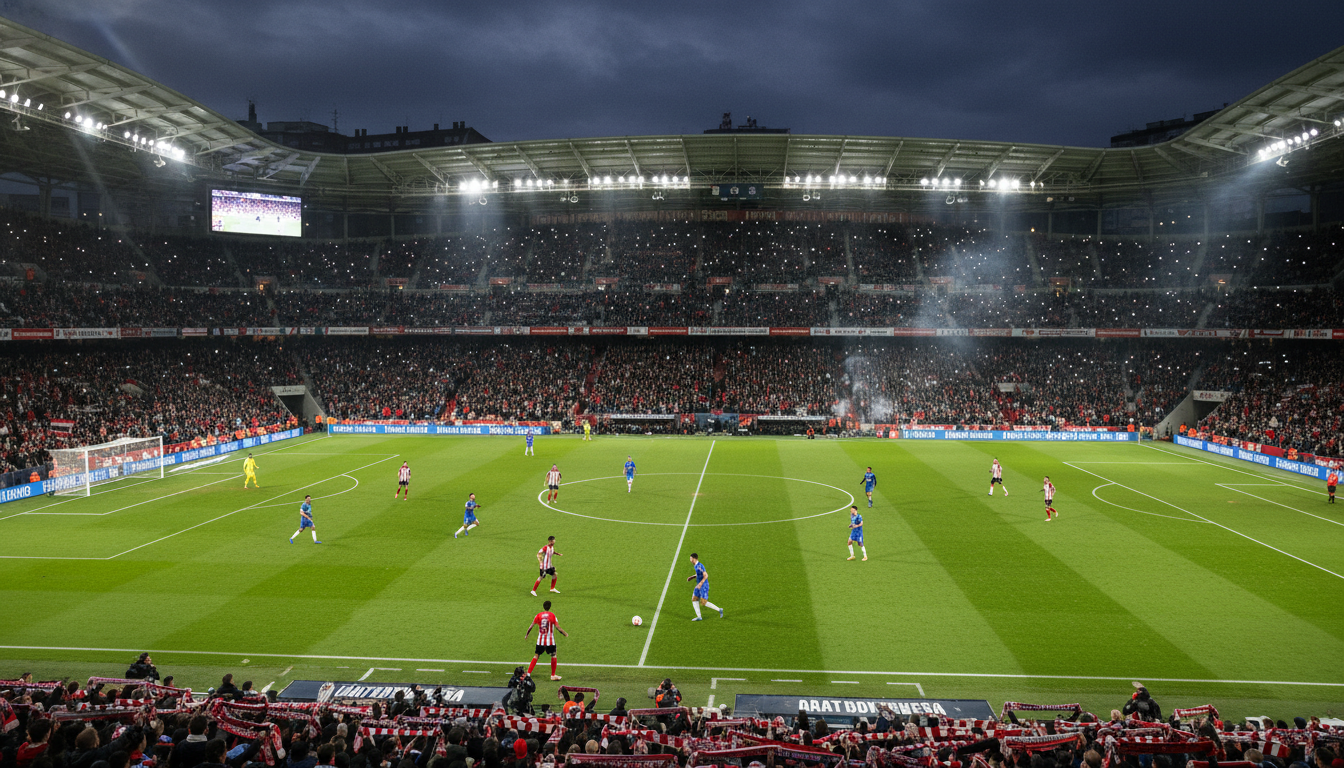
Athletic vs Celta at San Mamés: Tense LaLiga Jornada 37 Clash Draws Intense Atmosphere
Athletic vs Celta met at San Mamés on May 17, 2026, in a LaLiga Jornada 37 fixture that produced a tense, physical encounter and plenty for supporters to debate afterwards. The Athletic vs Celta showdown combined tactical caution with bursts of attacking intent, with the Basque side hosting Celta Vigo before a passionate San Mamés crowd. Coverage of the match emphasized the contest’s decisive midfield battles and the tactical adjustments both teams used to try and tilt the balance in the closing stages.


Match Setting at San Mamés
The fixture arrived late in the LaLiga season, carrying added significance as both clubs sought momentum heading into the final rounds. San Mamés delivered the familiar mix of noise and expectation, with supporters responsive to every defensive intervention and forward break. Matchday conditions and the stadium atmosphere reinforced the sense that this Athletic vs Celta meeting mattered beyond a single set of points.
Pre-match build-up at San Mamés focused on fitness and selection questions for both managers, with reports of rotation and late checks on players’ availability. The crowd’s presence and the visual record from the stadium underlined the home side’s desire to take control early and press for a result that would satisfy local expectations. From the first whistle, the contest bore the hallmarks of two teams wary of exposing themselves but determined to exploit chance opportunities.
Tactical Battle and Formations
On the pitch, the match featured a deliberate tactical chess game rather than free-flowing end-to-end football. Athletic’s approach emphasized compact lines and quick vertical transitions, aiming to use the wide areas to stretch the visiting side’s defensive shape. Celta responded with disciplined defending and attempts to control the middle third, seeking to limit space between Athletic’s midfield and forward lines.
Both coaches showed an appetite for tactical nuance, tweaking positioning and personnel to mitigate the opponent’s strengths. Athletic’s defensive structure sought to minimise quick counterattacks, while Celta attempted to create overloads on the flanks to destabilise the Basque side. The battle for midfield supremacy shaped much of the match’s rhythm, with periods of concentrated possession followed by sudden bursts of intensity.
Key Moments and Turning Points
The match featured several moments that shifted momentum even without dramatic scoreline swings, as both teams created openings and thwarted clear-cut chances. A handful of set-piece situations and transitional plays forced goalkeepers into decisive interventions and defenders into last-ditch blocks. Each of these episodes drew strong reactions from the stands and influenced the tactical choices deployed as the game progressed.
Late in the second half, the tempo increased as substitutions and strategic adjustments signalled that both teams were searching for a decisive edge. The closing stages saw more direct play and a willingness to take risks, highlighting the fine margins that often determine LaLiga fixtures. While the match did not hinge on a single, obvious moment, the cumulative effect of those chances shaped the narrative long after the final whistle.
Standout Performances and Individual Contributions
Several players stood out for their influence on the match through work rate, positioning and timely interventions. Defensive organisation and midfield discipline were particularly visible, with individuals repeatedly neutralising danger and recycling possession to relieve pressure. On the attacking front, both teams produced spells of creativity that tested opposition defenders and required tactical responses.
Goalkeeping interventions and defensive clearances were decisive in limiting clear opportunities, demonstrating the importance of concentration in tight fixtures. Meanwhile, contributions from the bench altered patterns of play, offering renewed energy and different attacking ideas. These individual performances provided coaches with talking points for post-match analysis and offered supporters signs of strengths to build on.
Managerial Decisions and Tactical Adjustments
Managerial influence was evident through the substitutions and in-game tactical shifts that sought to change the contest’s trajectory. Both coaches showed readiness to adjust shapes and bring on players to exploit perceived weaknesses. The timing and nature of these changes underlined a pragmatic approach, with risk management balanced against the desire to secure positive results late in the campaign.
Press conferences and sideline body language during the match suggested that managers prioritized control and responsiveness, mindful of the wider implications of results at this stage. Their choices—whether to hold possession deeper or push forward more aggressively—reflected an awareness of squad depth and the immediate needs of the team. These decisions will likely form part of both clubs’ planning for the remainder of the season.
Implications for LaLiga Positions and Next Steps
The Athletic vs Celta fixture carried consequences for both clubs’ immediate trajectories in LaLiga, affecting confidence levels and momentum heading into the final games. Results in matchday 37 often play a role in shaping end-of-season outcomes, from European qualification fights to the battle for mid-table stability. Teams that can extract consistent performances in these closing fixtures tend to gain psychological advantages when the campaign reaches its conclusion.
Looking ahead, both clubs will assess physical condition and tactical coherence as they prepare for upcoming opponents. The performance at San Mamés highlighted areas for refinement while also offering positives to cultivate. Coaches now face a period of quick turnaround and must make practical choices to sustain intensity and manage player fitness for the decisive fixtures ahead.
The Athletic vs Celta encounter at San Mamés provided a snapshot of late-season LaLiga dynamics: cautious tactical planning, committed defensive work and spurts of attacking enterprise that kept fans engaged from the first whistle to the last.