Thomas Partey Denied Entry: Ghana Pledge to Beat Panama in World Cup Opener
Thomas Partey denied entry to Canada; Ghana vows to beat Panama in their World Cup opener as the squad rallies around the absent midfielder amid legal and visa disputes.

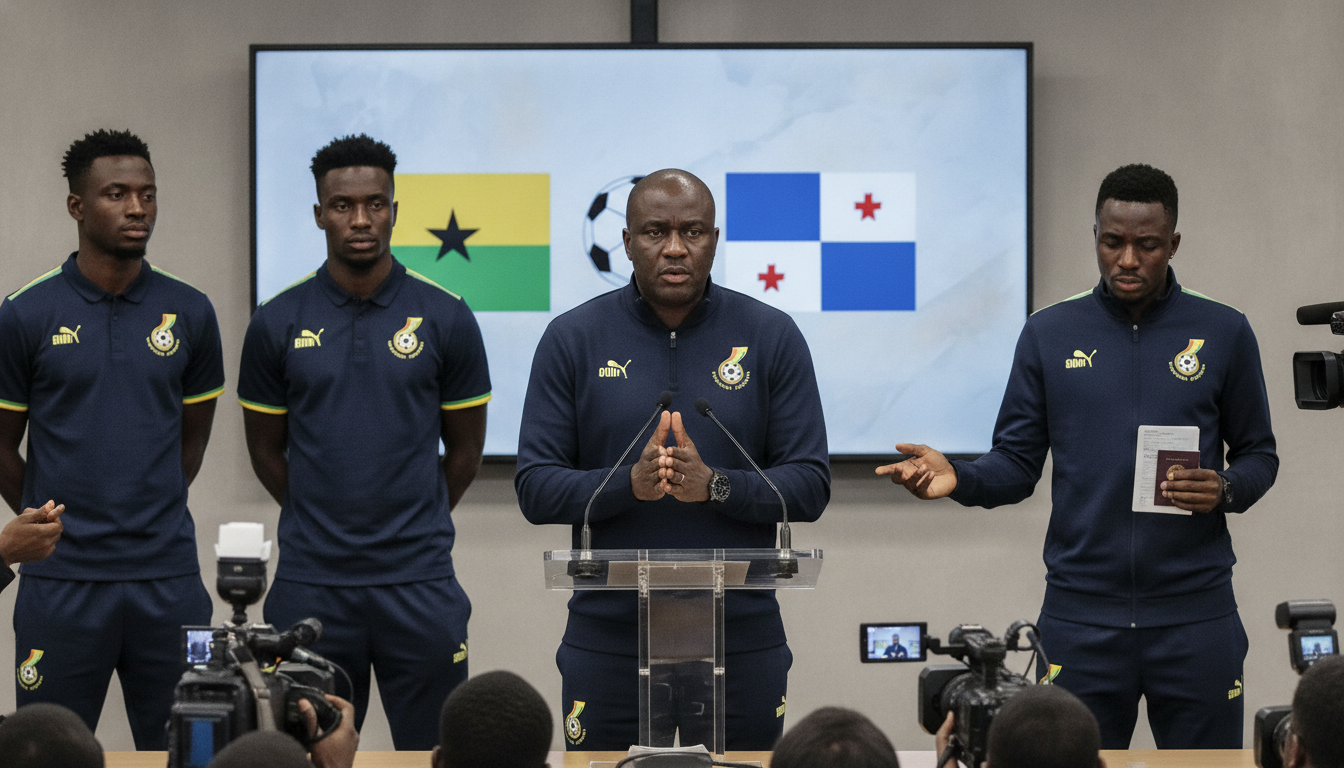
Ghana’s Black Stars will begin their 2026 FIFA World Cup campaign in Toronto without midfielder Thomas Partey, after Canadian authorities ruled him inadmissible and a court refused an emergency appeal. The decision leaves the team facing Panama in their Group L opener without one of its most experienced central midfielders. Midfielder Kwasi Sibo said the squad is united and determined to secure a positive result for Partey despite the off-field turbulence.
Partey Denied Entry by Canadian Authorities
Canadian immigration officials declared Partey inadmissible under the country’s immigration laws, citing concerns tied to information provided in his visa application. A subsequent emergency appeal to a Canadian court to overturn that ruling was rejected on Tuesday, effectively preventing the former Arsenal and current Atletico Madrid midfielder from joining his teammates in Toronto. Reports linking the decision to ongoing criminal charges in the United Kingdom — which Partey denies — have circulated in media coverage and were referenced by team officials.
Players Rally Around Absent Teammate
Sibo, who has been part of Ghana’s squad preparations, described a tight-knit dressing room determined to lift the team in Partey’s absence. He said the coaching staff and players view the match as an opportunity to send a message of support to their teammate and to prove the squad’s resilience on a global stage. Players have publicly expressed solidarity and framed the upcoming match as one the team must win for the group and for Partey personally.
Legal and Visa Complications Highlighted
Canadian authorities pointed to issues related to information on Partey’s visa application as part of the inadmissibility determination, according to statements released by officials and reported accounts. The case has also drawn attention to separate criminal allegations in the United Kingdom; Ghanaian sources note that Partey has consistently denied those allegations. The intersection of immigration law, visa scrutiny and parallel legal proceedings in another jurisdiction has complicated the midfielder’s travel options and created an unprecedented challenge for Ghana at the tournament.
Tactical Adjustments for Ghana’s Midfield
Partey’s absence requires a tactical rethink from the Black Stars’ coaching staff ahead of the Panama fixture and potentially beyond. Partey has been a central figure in Ghana’s midfield structure for years, known for his ball-winning, positional discipline and ability to transition play from defense to attack. Without him, the coaching team must balance defensive cover with creative impetus, likely turning to younger or less experienced midfielders to fill the gap and maintain the team’s shape against a physically robust opponent.
Panama Presents Immediate Test
Panama, Ghana’s Group L opponent in the opener, will pose a demanding challenge regardless of Ghana’s selection dilemmas. The Central American side typically emphasizes physicality, quick transitions and disciplined defensive organization, which can exploit any midfield instability. For Ghana, starting the World Cup with a strong performance against Panama is vital to building momentum in a group that also includes England and Croatia, both of whom represent formidable opposition over the course of the group stage.
Pressure on Selection and Game Plan
The coaching staff faces pressure to name a lineup that both steadies the midfield and preserves attacking options, knowing a draw or defeat in the opener would increase the difficulty of advancing. Options include shifting formation to provide additional central cover or deploying midfielders with specific defensive responsibilities to compensate for Partey’s ball-recovery role. Match-day choices will also reflect the team’s psychological state; players have said they want to honor Partey, but the focus must remain on tactical discipline and in-game execution.
Ghana’s preparations in Toronto have been overshadowed by off-field developments, yet officials insist the squad is trained and ready to compete at the highest level. The team’s training staff has reportedly emphasized set-piece organization and compact defensive phases to guard against Panama’s counter-attacking threats. Coaching meetings in recent days have concentrated on how to control midfield spaces and limit penetration through central channels, areas traditionally marshalled by Partey.
The broader football community is watching the situation closely, both for its sporting ramifications and for the legal and diplomatic questions it raises. Denying entry to a high-profile international player during a major tournament is a rare occurrence and has prompted commentary from pundits and national federations about the protocols that govern player admissibility. For Ghana, the immediate priority remains performance on the pitch and ensuring the squad remains focused amid uncertainty.
Sibo’s remarks have underscored an emotional dimension to the squad’s response, highlighting a desire to channel disappointment into performance. He reiterated that the team considers Partey a leading figure and that players feel a responsibility to secure a positive result in his absence. That sentiment is reflected in training-ground intensity and a defensive mindset designed to keep the opening 90 minutes under control.
Looking ahead, Ghana’s handling of the situation could have repercussions beyond this single match. If Partey remains unavailable for subsequent fixtures, the team will need to adapt its midfield blueprint for the full group stage. Conversely, any legal or administrative reversal that allows Partey to join the squad later would require adjustments to squad dynamics and minutes distribution. The immediate window, however, is tightly bounded by Group L’s schedule and the practicalities of tournament travel and accreditation.
The reaction from supporters has been mixed, combining frustration over the circumstances with encouragement for a measured team response. Supporters and analysts alike note that while star names matter, tournament progress often hinges on collective performance, tactical clarity and squad depth. Ghana’s ability to convert that theory into practice will be tested in the opener against Panama.
Ghana’s football federation has not released a detailed legal timeline regarding any further appeals or diplomatic interventions, limiting public visibility into potential next steps. Officials have emphasized adherence to tournament protocols and expressed confidence in the team’s preparation, while continuing to monitor developments related to Partey’s status. For now, the squad must cope with a sudden personnel change and the attendant media scrutiny at the world’s biggest sporting event.
The match in Toronto will offer an early indicator of how well Ghana has absorbed the disruption and whether the team can summon the consistency required to compete in a demanding group. Tactical discipline, effective midfield partnerships and measured attacking play will be crucial to overcoming Panama’s strengths and to laying a foundation for the remaining fixtures. Success in the opener would ease pressure and provide a psychological lift for the squad and for Partey, who has been kept informed by teammates and staff.
Ghana enters the fixture determined to turn adversity into motivation and to begin the tournament with a statement result that honors their absent midfielder. The outcome of the Panama match will shape perceptions of the Black Stars’ depth and resilience, and it will be a litmus test for a side confronting both sporting and off-field challenges at the start of the 2026 World Cup.
The team’s immediate focus remains on executing the game plan and maintaining unity as they contest their opening Group L game in Toronto.