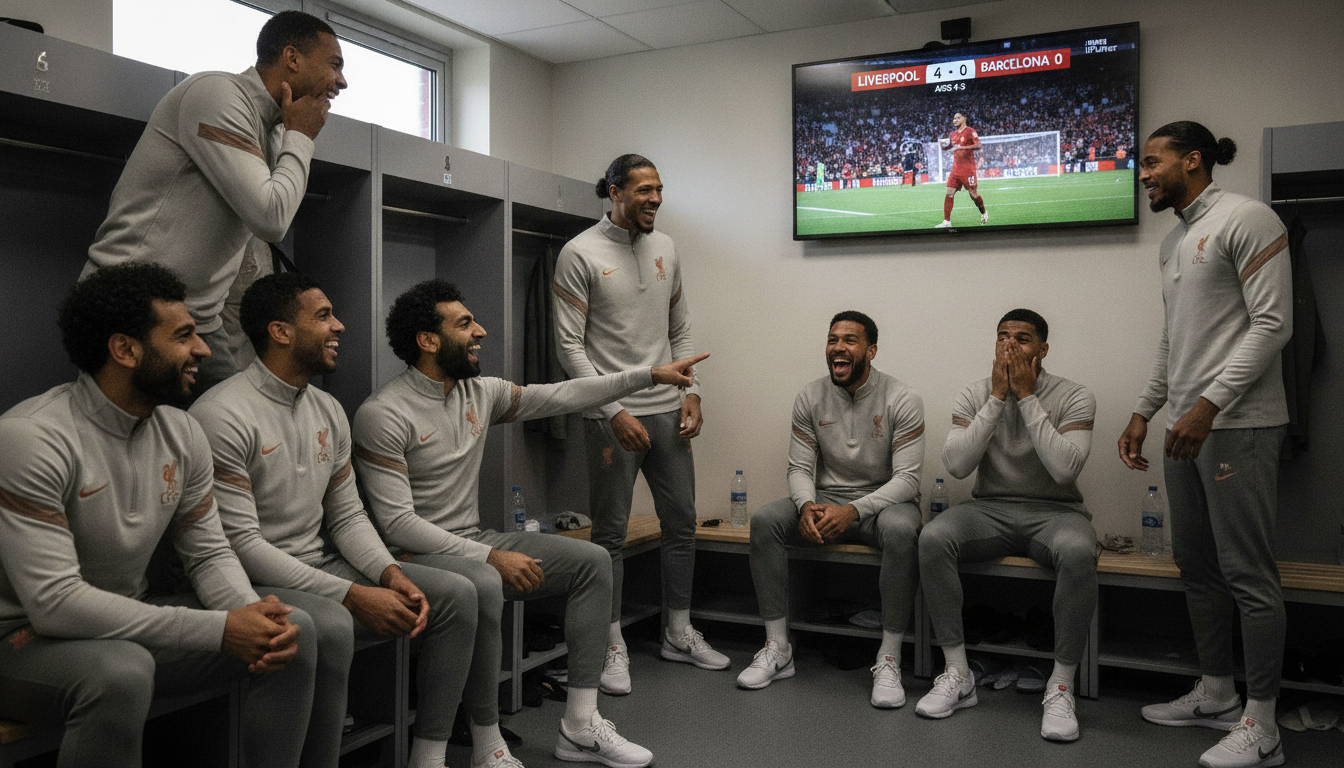
Liverpool comeback vs Barcelona: Former players and staff relive the 2019 Anfield miracle
Liverpool comeback vs Barcelona: Former players and staff recount the 2019 Anfield miracle, detailing tactics, key moments and the tie’s enduring legacy.
Historic turnaround at Anfield
Liverpool’s comeback vs Barcelona refers to the dramatic Champions League semi-final second leg at Anfield on May 7, 2019, where Jurgen Klopp’s side overturned a 3-0 first-leg deficit to win 4-0 on the night and progress to the final on aggregate. The result remains one of the most talked-about nights in modern European football, combining tactical audacity, raw emotion and decisive individual moments. Former players and staff featured in a recent documentary recounting the match, reflecting on preparation, belief and the unique atmosphere that fueled the turnaround.
The tie began with Barcelona enjoying a commanding lead after their win at Camp Nou, but Liverpool approached the second leg with a blend of urgency and calm that produced a performance of relentless intensity. The comeback has been revisited not only for its scoreline but for the broader lessons about momentum, set-piece innovation and the power of home support. Interviews with those involved shed new light on decisions made in the days and hours before kick-off.
Tactical shifts that changed the game
Klopp’s team set up to press Barcelona high and suffocate their build-up, a deliberate choice after the first-leg defeat exposed vulnerabilities when sitting deeper. Liverpool’s full-backs pushed aggressively on the flanks, supplying early width and quick service into the box to unsettle Barcelona’s defensive shape. That strategic insistence on tempo and width paid off as Liverpool landed the opening goal and then sustained pressure across the pitch.
A notable tactical moment came with Liverpool’s use of set plays and quick thinking around dead-ball situations, which contributed directly to the decisive moments in the second half. The coaching staff emphasized rehearsed routines and the freedom for players to act creatively when opportunities presented themselves. The blend of structure and improvisation underlined Klopp’s willingness to trust his players to make split-second choices.
Key moments that swung the tie
The early goal at Anfield changed the dynamic: scoring inside the opening quarter-hour put Barcelona on the back foot and animated the crowd in a way that made the stadium a continuous source of momentum. Liverpool kept probing, and the persistence paid off after the break when two quick goals put the hosts in front on aggregate. The timing of those strikes forced Barcelona onto the back foot and shifted the psychological balance of the tie.
As the match neared its final phase, a rapid corner routine and an opportunistic finish handed Liverpool a fourth goal that sealed the comeback and sent the stadium into raptures. Those final sequences were not the product of luck alone but of practice, awareness and composure under pressure. Collectively, those moments exemplified how preparation and instinct can combine in high-stakes knockout football.
Voices from the dressing room and the touchline
Players and staff who appear in the recent film describe a mixture of steely focus and intense belief in the hours leading up to kick-off. Several recount how Klopp’s message leaned on collective responsibility and an insistence that the tie remained winnable despite the first-leg deficit. That psychological framing — to treat the match as wholly winnable rather than merely improbable — appears to have been central to the group’s mindset.
Veterans who were present speak about the unusual electricity running through the squad, and how senior figures stepped forward to calm nerves and enforce discipline. Coaching staff describe tactical drills and contingency plans that anticipated Barcelona’s likely responses, while younger players reflect on the emotional lift provided by the fans. Together, these recollections create a portrait of a team that combined confidence with meticulous preparation.
Documentary perspective and behind-the-scenes access
The recent documentary offers a granular look at preparations in the build-up to the match, including training sessions, tactical briefings and candid interviews. Filmmakers were granted access to the inner workings of the club for a period around the campaign, allowing viewers to see how routines and relationships are managed in elite football. Contributors in the film supply first-hand context about decisions that influenced the night at Anfield.
Producers also highlight how the club managed external pressures, from media scrutiny to the weight of expectation borne by a global fan base. The film places the comeback within the wider arc of Liverpool’s European ambitions, tracing links to earlier campaigns and the culture Klopp has cultivated. Viewers should note that availability of the documentary may be restricted by region.
Legacy for Liverpool and European competition
The comeback against Barcelona has acquired symbolic status far beyond a single knockout tie, often cited as an example of football’s unpredictability and the potency of home advantage. For Liverpool, the result became a touchstone in the club’s modern history and helped propel them into a European final that validated a multi-year rebuild. The match is frequently referenced in discussions about momentum and the psychology of two-legged ties.
For European competition more broadly, the game reinforced the idea that no deficit is safe and that tactical naivety in a first leg can be costly. Analysts and coaches point to Anfield 2019 as a case study in how aggressive intent and meticulous set-piece preparation can overturn seemingly decisive margins. Its enduring presence in coaching curricula and fan memory speaks to the match’s broad influence.
What the night reveals about stadium atmosphere and momentum
Those who were there underline how Anfield’s atmosphere functioned as a competing force in itself, lifting players and occasionally unsettling opponents. The crowd’s intensity, described in the film and by participants, created an environment where every successful action amplified belief and every near-miss increased tension. That feedback loop between crowd and team is a recurring theme in accounts of the night.
Momentum in football can be fragile, but in this case Liverpool sustained it through disciplined pressing, quick transitions and effective use of the ball in the final third. The stadium’s noise and proximity to the pitch magnified small advantages and converted them into decisive opportunities. The game demonstrated how collective energy, directed through tactical clarity, can overwhelm even technically superior opposition.
Liverpool’s comeback vs Barcelona remains a reference point for managers, players and supporters who seek examples of resilience, tactical courage and the power of shared belief. The match endures not simply because of the scoreline but because it combined preparation, improvisation and emotion in a way that produced a dramatic reversal.
The 2019 Anfield comeback still resonates across European football as a lesson in the sport’s capacity for sudden reversals, and the recent documentary adds depth to the public record by foregrounding the human decisions behind the headlines. The memories of that night continue to shape how teams think about two-legged ties and the fine margins that separate victory from defeat.