Ashley Plumptre: NFF Denies Fake Facebook Post Claiming She Complained About WAFCON Omission
The Nigeria Football Federation has denied a fabricated Facebook post attributed to Ashley Plumptre that claimed she was unhappy about being left out of Nigeria’s WAFCON squad.


The Nigeria Football Federation (NFF) on Tuesday dismissed a widely shared social media post as false after a Facebook account purportedly belonging to Super Falcons defender Ashley Plumptre alleged she had complained about being omitted from Nigeria’s squad for the 2026 Women’s Africa Cup of Nations. The federation said Plumptre does not operate a Facebook account and branded the post a deliberate impersonation designed to mislead supporters and media outlets.
NFF Labels Facebook Post Fabricated
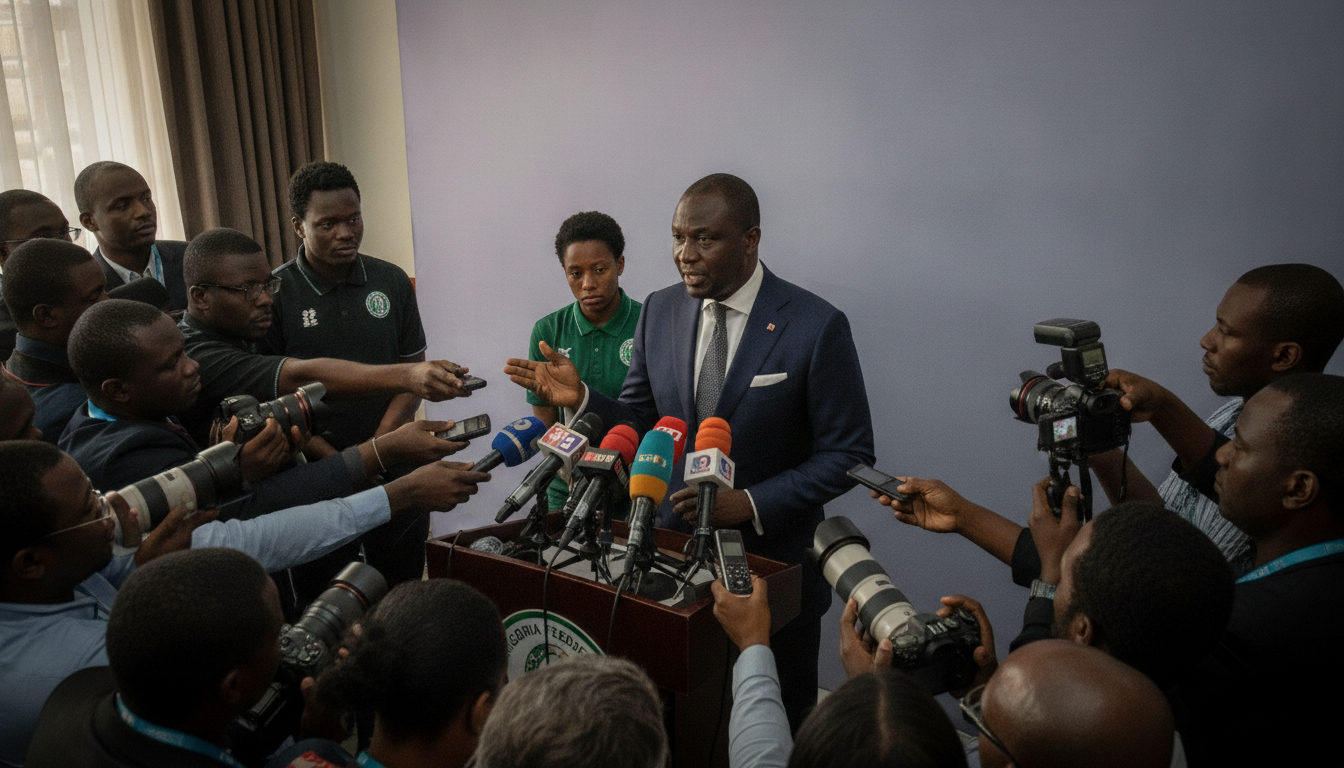
The federation issued an official statement condemning the report as entirely fabricated and urged journalists and the public to verify information before sharing it. NFF Director of Competitions Ruth David emphasized that the alleged message did not originate from the player and that the account in question was a cloned profile.
David noted that the coaching staff had not submitted any final squad list for the tournament in Morocco, undercutting the central premise of the fake post. By pointing out that administrative procedures were still underway, the NFF sought to make clear the timeline did not support the post’s claim.
Plumptre Denies Authorship and Calls for Action
Ashley Plumptre herself responded to the incident on her verified social channels, calling the accounts fraudulent and asking followers to report them. She said she had posted on Instagram and X to alert fans and was actively seeking help to remove the fake pages.
Plumptre also explained that the impersonation had been an ongoing problem for more than a year and that she was attempting to enlist assistance from contacts abroad to take the accounts down. Her public messages stressed that any content coming from the cloned Facebook profile should be treated as false.
Timing and Implications for WAFCON Squad Selection
The spurious post referenced Nigeria’s prospective squad for the 2026 Women’s Africa Cup of Nations in Morocco, which runs from 25 July to 16 August. The timing of the hoax presented the potential to generate confusion as the tournament approaches and interest in squad announcements grows.
The NFF clarified that the Super Falcons’ coaching staff has not finalized or submitted a roster for the continental competition, making claims about individual exclusions premature. Officials warned that false reports circulating during this sensitive selection window could distort public perception of players and the team’s preparation.
Pattern of Impersonation Affecting National Team Players
Federation officials recalled earlier instances of misinformation involving members of the national women’s team, including erroneous reports about striker Esther Okoronkwo and former African Player of the Year Asisat Oshoala. Those incidents similarly involved fake accounts and inaccurate claims about the players’ international status and availability.
Ruth David said the same impersonator was responsible for a recent false claim that Esther Okoronkwo had made critical comments, when in reality Okoronkwo missed friendly matches due to injury recovery. The NFF presented these cases as part of a broader, recurring problem that targets high-profile players and exploits public interest around fixtures and selection decisions.
The recurrence of such incidents has heightened concern within the federation about the reputational damage and emotional stress inflicted on players. Officials underscored that repeated false narratives can erode trust between fans, the media, and the team, while also generating unnecessary distraction ahead of major tournaments.
Federation Appeals to Media and Public for Verification
In its statement, the NFF urged media organizations, journalists, and social media users to exercise due diligence and verify sources before publishing or amplifying claims about national team members. The federation framed the appeal as a defense of journalistic integrity and public trust in sports reporting.
David reminded media practitioners that the spread of unverified material poses a direct threat to credibility and can cause real-world harm to players and staff. The NFF recommended that outlets rely on official federation channels and direct confirmations from players’ verified accounts when reporting squad news or personal statements.
Actions Underway to Remove Fake Accounts and Protect Players
Both the federation and Plumptre said steps were being taken to have the fraudulent accounts removed, including reporting the profiles to platform administrators and engaging contacts who might assist in account takedown. Plumptre mentioned she was reaching out to a contact in Saudi Arabia to help escalate the matter.
The NFF also indicated it would continue to monitor social media for impersonation activity and explore further measures to protect players, including working with legal advisers and platform specialists. Officials noted that while takedown processes can be slow and uneven across jurisdictions, persistent reporting and documentation are critical to securing enforcement.
The federation encouraged supporters to report any suspicious accounts and to consult verified NFF communications for official announcements. By mobilizing a combination of institutional reporting and public vigilance, the NFF aims to limit the reach of fraudulent content ahead of the WAFCON tournament.
Potential Consequences for Public Trust and Tournament Preparation
Officials warned that fake news campaigns can have broader consequences beyond individual reputations, including undermining fan confidence and distracting teams during their final preparations. As the WAFCON approaches, accurate information about squad selections, injuries and logistics is essential for stakeholders including broadcasters, sponsors and supporters.
The federation emphasized that unfounded claims about player sentiment or selection decisions could complicate team dynamics and place undue pressure on coaching staff. By confronting the impersonation issue publicly, the NFF sought to reduce misinformation-driven speculation and preserve an environment focused on sporting performance.
The NFF reiterated its commitment to transparency and invited fans to follow official channels for verified updates. The federation said it will continue to remind players of security practices for social media and to support those affected by impersonation incidents through public clarification and administrative assistance.
The spread of the false Facebook post attributed to Ashley Plumptre underscores the persistent challenge of social media impersonation in modern football. The NFF’s swift denial, Plumptre’s public rebuttal, and coordinated efforts to remove fraudulent accounts aim to protect players and preserve the integrity of information during the lead-up to the 2026 Women’s Africa Cup of Nations.