Bafana Bafana make World Cup history with 1-0 win over South Korea
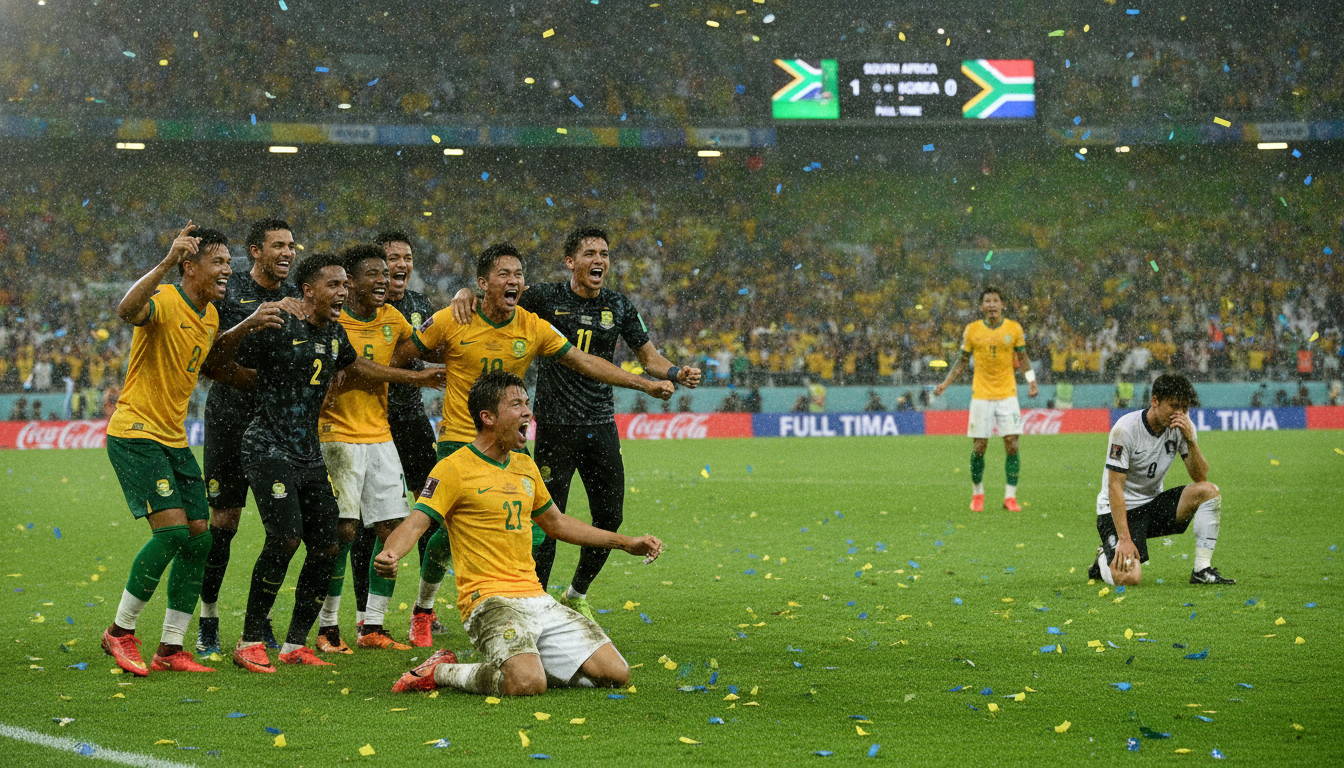
South Africa’s Bafana Bafana reached the knockout stages of the 2026 FIFA World Cup after a hard-earned 1-0 victory over South Korea at Estadio Monterrey in Guadalupe. Thapelo Maseko’s decisive goal and a disciplined display secured a first-ever progression beyond the group phase for the nation at a World Cup. The result, confirmed early Thursday morning local time, sets South Africa up to face co-hosts Canada in the Round of 32.
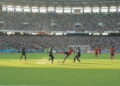

Bafana Bafana make history in Group A
South Africa entered the final Group A match knowing a win would be enough to break past the group-stage ceiling that had defined their previous World Cup campaigns. The 1-0 success over South Korea delivered that milestone, completing a group-stage sequence where Bafana Bafana advanced from a pool for the first time in the nation’s World Cup history. The South African Football Association notes the team had previously bowed out at the first hurdle in 1998, 2002 and 2010, making this achievement a marked departure from past tournaments.
The victory came in a tightly contested match played at Estadio Monterrey in Guadalupe, with limited margins between the sides for long stretches. Defensive organization and moments of pace on the counter allowed South Africa to control key phases and protect their lead once it arrived. Progressing into the knockout rounds at the 2026 FIFA World Cup elevates expectations and brings new scrutiny on how the team will adapt to the pressure of single-elimination football.
Maseko provides the decisive moment
Thapelo Maseko emerged as the match-winner, converting the lone goal that ultimately swung the tie in South Africa’s favour. Maseko’s goal was the product of a swift attacking sequence that exploited space behind the South Korean back line, and his finishing clinched an outcome the team had chased through the group stage. The forward was later recognized as Player of the Match for his decisive contribution and the overall offensive threat he posed.
Beyond the solitary goal, Maseko’s movement and work rate created openings and pinned back South Korea’s defense at crucial moments. Teammates complemented his threat with compact defending and disciplined positioning, allowing South Africa to weather opposition pressure after taking the lead. That individual moment of quality, combined with collective discipline, proved sufficient to make history for Bafana Bafana.
Broos highlights tactical discipline and speed
Coach Hugo Broos credited his side’s tactical execution and the team’s quick players for creating the winning edge against South Korea. He pointed to careful preparation and a game plan that sought to exploit transitional moments, with players instructed to keep belief and maintain shape after halftime. Broos said the match differed from earlier group fixtures because South Africa were more dangerous when in possession and found spaces at decisive intervals.
Defensively, the squad remained compact and disciplined, limiting high-quality chances for South Korea and forcing the opposition into shots from distance or congested areas. Offensively, South Africa relied on rapid outlets and forward runs to stretch the Korean defense, a strategy that led directly to Maseko’s goal. Broos’ remarks underscored a measured approach: prioritise structure, seize counter-opportunities and trust in the speed and tactical awareness of the players.
Next test: Round of 32 against Canada in Los Angeles
With qualification secured, Bafana Bafana will meet co-hosts Canada in the Round of 32 on Sunday, 28 June 2026, in Los Angeles. Canada’s co-host status labels them among the tournament favourites to progress deep into the competition, and the clash will present a higher intensity, single-elimination challenge for South Africa. Tactical adjustments and squad rotation will likely be central to Broos’ preparations as his team shifts from group management to the all-or-nothing stakes of knockout football.
The match in Los Angeles will test South Africa’s tactical flexibility, depth and ability to manage high-pressure moments against a fervent home crowd for Canada. Set-piece planning, transition defence and clinical finishing will be decisive factors, and Broos must balance maintaining the defensive solidity seen against South Korea with finding greater attacking fluency. For the players, the opportunity to face a co-host in a prominently staged Round of 32 match offers both a stern test and a platform to further elevate South African football on the global stage.
Government and public response at home
The Government Communication and Information System expressed public congratulations following the result, describing the accomplishment as a proud moment for the country. Officials commended the team’s determination, discipline and fighting spirit while wishing Bafana Bafana well for the remainder of the tournament. The formal response reflected national pride and noted the broader boost the run provides for South Africa’s international sporting profile.
Back home, fans and diaspora communities reacted with celebrations and renewed optimism about the national team’s trajectory. Social gatherings, watch parties and spirited commentary underscored the emotional lift the victory delivered to supporters who have long awaited a breakthrough at the World Cup. The government’s public message and the widespread fan reaction underscore the cultural significance of Bafana Bafana’s advancement beyond the group stage.
Potential legacy for South African football
Progressing to the knockout rounds at the 2026 FIFA World Cup raises immediate sporting questions about the future of South African football development. The achievement may catalyse investment in youth pathways, coaching education and domestic league improvements as stakeholders look to build on an international breakthrough. A strong World Cup showing could also increase visibility for South African players in global transfer markets and expand scouting interest across major leagues.
At the same time, sustainable progress will require strategic planning beyond the tournament spotlight, with federations, clubs and government entities aligning on long-term goals. Ensuring that the momentum from Los Angeles and Monterrey translates into structural gains at grassroots and professional levels will determine whether this moment becomes a springboard or a solitary highlight. For now, the immediate challenge is the Canada match, but the implications for South African football extend well beyond a single knockout fixture.
Bafana Bafana’s win over South Korea at the 2026 FIFA World Cup marks a seminal moment in the nation’s football history and sets a new benchmark for the team. The combination of tactical discipline, individual moments of quality and collective resolve gave South Africa a path into the knockout stage for the first time. As the squad prepares for the Round of 32 in Los Angeles on 28 June 2026, attention will turn to whether they can convert this historic milestone into a deeper run that reshapes perceptions of South African football on the world stage.