South Korea World Cup exit sparks presidential demand for probe and criticism of coach Hong Myung‑bo
President Lee Jae Myung has called for a sports ministry‑led investigation after South Korea’s World Cup exit, blaming favouritism in appointments and singling out coach Hong Myung‑bo. The president’s remarks, posted on X, came after a campaign that left the co-hosts unexpectedly out of the round of 32. (scmp.com)
Lee Demands Sports Ministry Investigation
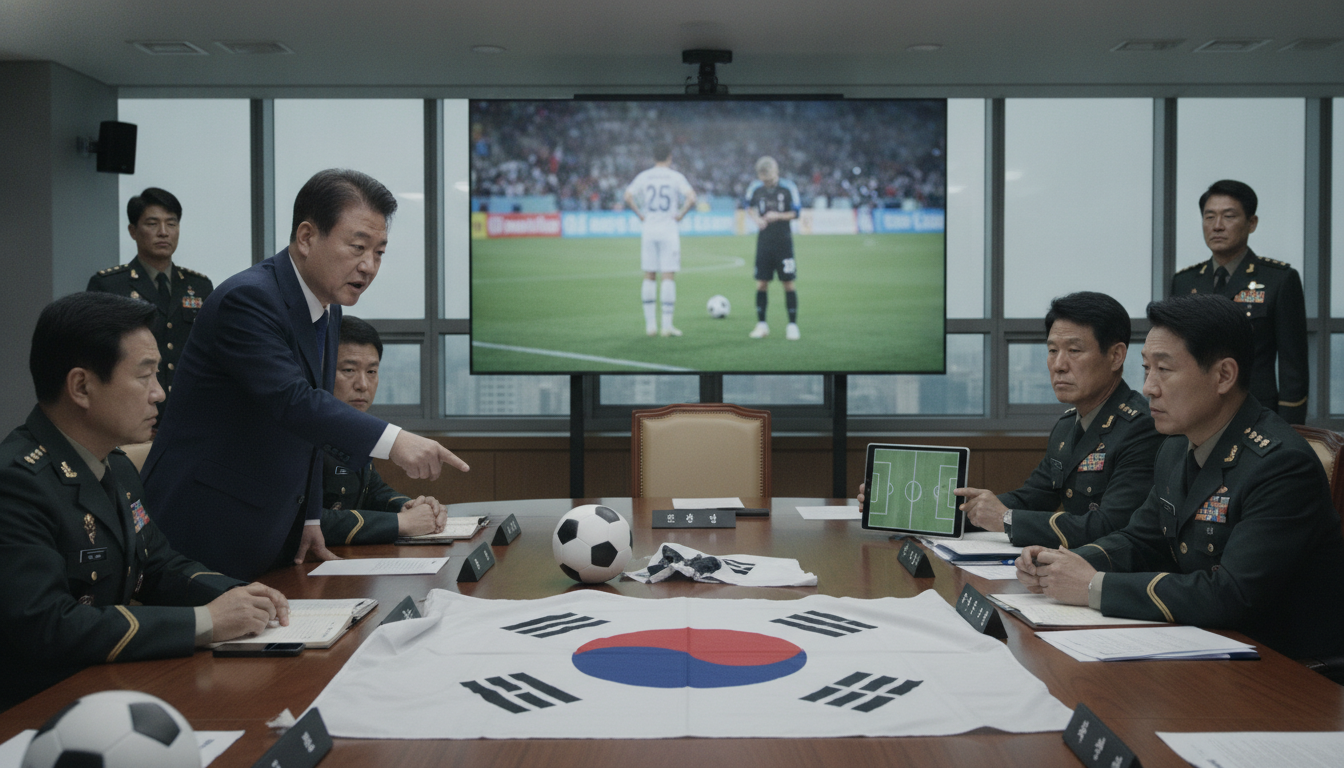
President Lee Jae Myung wrote that the result left him “utterly baffled” and demanded the Ministry of Culture, Sports and Tourism examine the causes and recommend measures to prevent a repeat. His criticism explicitly linked the team’s failure to what he described as politicised and opaque appointment practices within football administration. (scmp.com)
Lee framed the issue as one of public accountability, saying that when appointments prioritise factional or private interests over competence the outcome becomes predictable. The president also urged administrative reforms to strengthen monitoring and accountability of those who make senior sporting appointments. (mk.co.kr)
The president’s intervention has sharpened an already heated national debate about governance in South Korean football and increased pressure on the Korea Football Association (KFA) and government oversight bodies. Lawmakers from the main parties publicly backed calls for structural changes to the KFA in the immediate aftermath of the elimination. (koreajoongangdaily.com)
Group A Results and Elimination Details
South Korea finished third in Group A following successive defeats to Mexico and South Africa, leaving them outside the eight best third‑placed teams that advance to the round of 32. The co‑hosts’ early exit was confirmed after results left the side with an insufficient points and goal‑difference tally. (fifa.com)
Mexico topped the group to progress as winners, while South Africa’s win over South Korea played a decisive role in determining which third‑placed teams moved on to the knockout stage. Tournament rules mean only the best eight third‑placed teams across the groups advance, using a sequence of tiebreakers including points, goal difference and goals scored. (apnews.com)
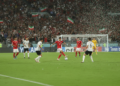
The manner of the defeats, particularly the loss to South Africa, intensified scrutiny of tactical choices, player selection and match preparation. Analysts pointed to missed opportunities in front of goal and a lack of coherent structure in parts of the group campaign. (koreatimes.co.kr)
Criticism of Hong Myung‑bo and Reappointment Controversy
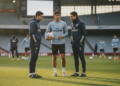
Head coach Hong Myung‑bo, a 2002 World Cup semi‑final hero for South Korea as a player, has become the focal point for much of the public and media criticism following the elimination. His management of the squad, tactical plans and personnel choices have been widely questioned in the domestic press and on social media. (koreatimes.co.kr)
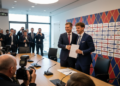
Hong’s reappointment as national team manager in July 2024 had already provoked controversy, with critics alleging an opaque selection process and favouritism within the KFA’s hiring procedures. A previous probe by the ministry found procedural irregularities in appointments involving national team managers, which has fuelled claims of systemic governance problems. (koreajoongangdaily.joins.com)
Following the defeat to South Africa, Hong publicly took responsibility for the result and acknowledged the team had fallen short of expectations. Still, calls for his removal and for a broader accountability process intensified, with petitions and voices inside Korean football circles demanding urgent action. (world.kbs.co.kr)
Calls to Restructure the Korea Football Association
In the immediate aftermath of elimination, political and sporting figures pressed for a restructuring of the KFA’s leadership and selection mechanisms. President Lee and several lawmakers explicitly urged administrative reforms designed to reduce the influence of closed‑door decision‑making and to increase transparency in appointments. (koreajoongangdaily.com)
The Ministry of Culture, Sports and Tourism has previously flagged irregularities within the KFA, from governance lapses to questionable financial practices, and those findings have been cited by advocates of reform as reasons to overhaul the system. The current crisis has added urgency to proposals for institutional change. (koreatimes.co.kr)
KFA executives now face both internal and external pressure to present a clear plan for immediate remedial steps, including independent reviews of the hiring process and enhanced oversight mechanisms. How the association responds in the coming days will be closely watched by fans, politicians and international observers. (koreajoongangdaily.com)
Public and Media Reaction
Reaction across South Korean media and online platforms was swift and uncompromising, with commentators and former players questioning the tactical approach and the apparent lack of cohesion during critical moments in the group campaign. Former internationals and pundits described several elements of the team’s performance as inexplicable given the players available. (koreatimes.co.kr)
Public sentiment veered from disappointment to anger as supporters pointed to what they saw as preventable errors in preparation and personnel selection. Demonstrations of frustration ranged from heated commentary online to calls for coordinated accountability measures at the KFA. (seoul.co.kr)
Media outlets tracked petitions for Hong’s dismissal and compiled timelines of the 2024 reappointment debate, focusing on the overlaps between sporting decisions and broader governance practices. That reporting amplified political pressure as the presidential office and the ministry were drawn further into the controversy. (scmp.com)
Next Steps for South Korean Football
Officials have indicated that formal inquiries and after‑action reviews are likely to follow, with the ministry expected to lead or commission analyses that probe both technical and administrative dimensions of the failure. These reviews are likely to examine selection procedures, resource allocation and the relationship between the KFA and government oversight bodies. (koreajoongangdaily.com)
For the coaching staff and players, immediate priorities will include debriefs, individual evaluations and the beginning of a longer process to map out a pathway back to competitive form ahead of continental and qualification fixtures. The national programme’s next fixtures and appointment timelines will shape how quickly a new direction can be implemented. (world.kbs.co.kr)
Internationally, the result is a reminder of the pressures national teams face when performance falls short of expectations at a global tournament. The South Korean case underscores how sporting outcomes can trigger political interventions and institutional scrutiny, with potential long‑term consequences for how football is governed at national level. (theguardian.com)
The World Cup elimination has left South Korea confronting both the sporting task of rebuilding a competitive squad and the political challenge of reforming football governance to restore public trust. The coming weeks will test whether the KFA, the ministry and the football community can reach a consensus on the changes needed to prevent a repeat of this outcome.