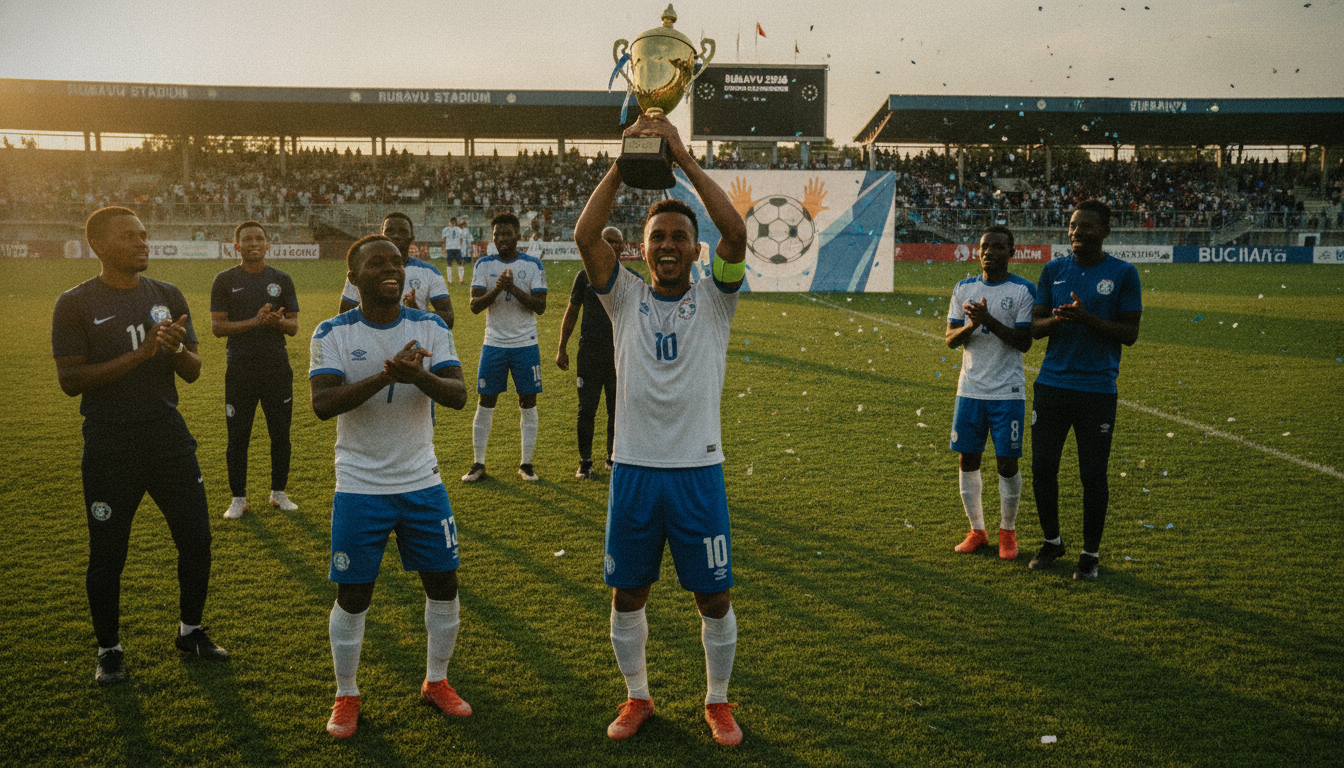
Rubavu crowned 2025/26 Deaf Football Championship winners as Germain Imanibaho is named best player
Rubavu claimed the 2025/26 Deaf Football Championship at Kigali Pele Stadium on June 21, 2026, spotlighting inclusion, Germain Imanibaho and DSO’s growth.

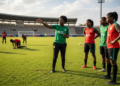
Rubavu secured the 2025/26 Deaf Football Championship title after a dramatic campaign that concluded at Kigali Pele Stadium on June 21, 2026. The victory was sealed on goal difference in a tight finish and coincided with Germain Imanibaho receiving the tournament’s Best Player award. The event drew teams from six districts and underscored the expanding profile of deaf sport across Rwanda.
Rubavu clinch 2025/26 Deaf Football Championship
Rubavu finished top of the standings in a closely contested title race, emerging as champions of the Deaf Football Championship after the final round of matches. The team overcame earlier setbacks to post convincing results in the decisive fixtures, notably large victories that pushed their goal difference above their rivals.
Consistency proved decisive in the end, with Rubavu’s late-season form outweighing defeats suffered earlier in the campaign. The championship’s format kept the outcome uncertain until the final day, producing a finish that highlighted both competitiveness and tactical resilience.
Imanibaho honored as Best Player after years of perseverance
Germain Imanibaho, who grew up with hearing impairment, received the tournament’s top individual accolade in recognition of his influence on and off the pitch. His selection as Best Player was presented as the culmination of years of personal determination and a desire to expand opportunities for deaf athletes.
Imanibaho’s journey began playing in neighboring Uganda before he helped establish a team in Gasabo district and later encouraged other districts to develop their own squads. He framed the award as a validation of collective effort and a call for greater participation from people with hearing impairments.
Title race defined by goal difference and crucial wins
The championship remained undecided until the final fixtures, with several teams still mathematically in contention entering the last round. Rubavu had suffered losses to both Nyanza and Kicukiro during the competition, but commanding wins — including a 4-0 victory over Muhanga and a 3-0 result against Musanze on the closing day — proved decisive.
Those results left Rubavu level on points with Kicukiro but ahead on goal difference, a tiebreaker that ultimately determined the champion. The narrow margins and swings in form across the tournament demonstrated how tightly matched the teams were and how goal-scoring and defensive discipline mattered across the schedule.
Preparation, obstacles and the role of local support
Rubavu’s coach credited the team’s success to disciplined preparation, unity and steady training despite significant hurdles. Players balanced training with work and family commitments, and limited finances affected travel and equipment at times, but community leaders stepped in to provide practical support.
Local assistance covered necessities such as transportation, kits and training resources that helped the squad maintain preparations throughout the season. Those contributions underscored the part played by grassroots backing in enabling competitive participation for athletes with disabilities.
Corporate sponsorship and DSO’s inclusion agenda
The championship also attracted corporate support, with Rwanda Airports Company among the sponsors framing their involvement as a social investment rather than a marketing exercise. Company officials said the sponsorship aligned with a broader corporate social responsibility commitment to inclusion and community development.
Deaf Sports Organization officials emphasized that partnerships like these are critical to expanding access, improving facilities and identifying talent for regional and international competitions. Organizers view the tournament as both a competitive league and a platform for social inclusion and athlete development.
Looking ahead: pathways to regional and international competition
DSO leadership described the championship as a stepping stone for deaf and hard-of-hearing athletes aiming for selections to regional events and the Deaflympics. They outlined a vision that combines talent identification with structured training programs to prepare players for higher-level competition.
The tournament’s role in building squads, testing tactics and offering sustained match experience will be central to those ambitions. Continued investment in coaching, logistics and local competitions is expected to widen the talent pool and give Rwandan deaf athletes clearer pathways to represent their country abroad.
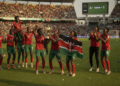
For many participants, the championship provided more than medals and match statistics; it offered affirmation, visibility and a platform to demand greater access to sport. As Rubavu celebrated on the pitch and Imanibaho reflected on his personal journey, the tournament underlined that inclusive sporting opportunities can reshape perceptions and open doors for athletes with disabilities.