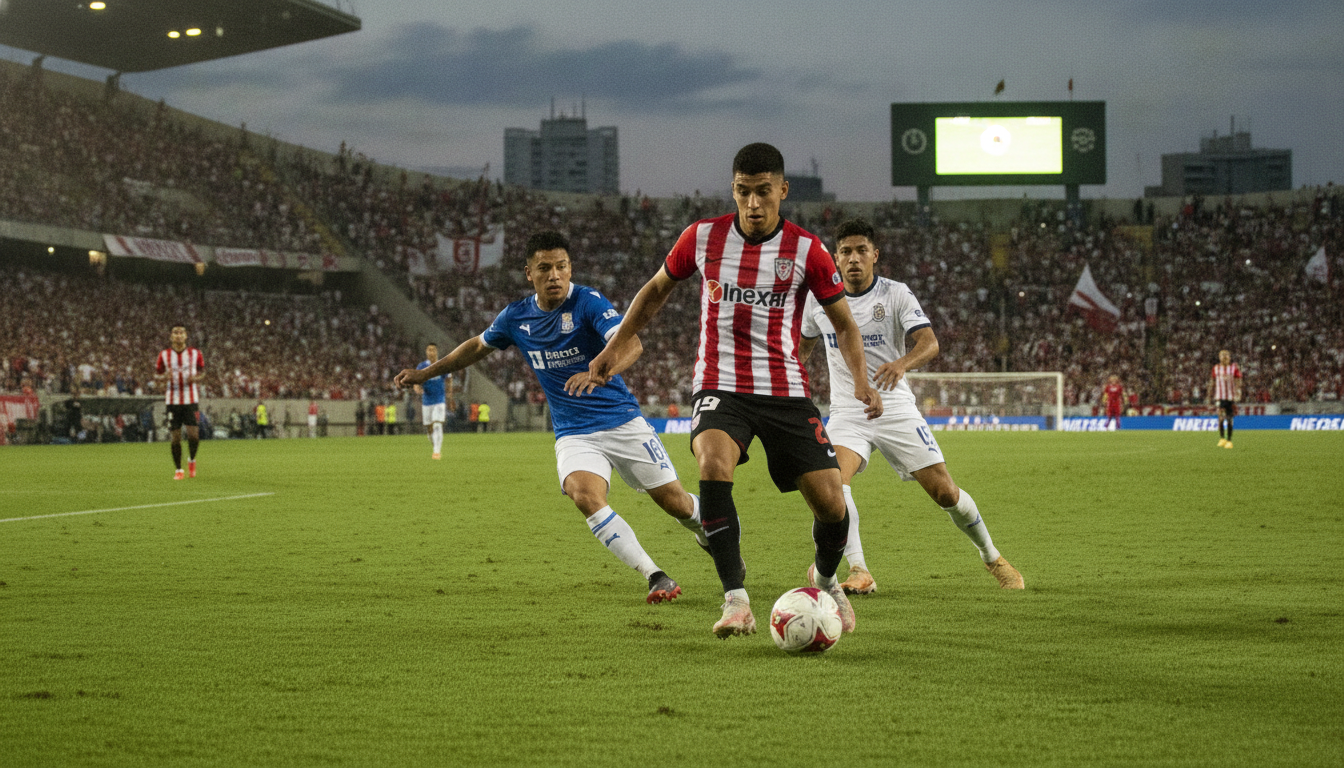
Liverpool and Arsenal circle rising Mexico midfielder Gilberto Mora
Liverpool and Arsenal are reportedly among the clubs preparing bids for promising Club Tijuana teenager Gilberto Mora, with the 17-year-old’s performances at the World Cup thrusting him into the transfer spotlight. According to Mexican outlet El Universal and subsequent reporting by Sport Witness, Club Tijuana intends to include an £18 million release clause in Mora’s next contract, a figure that would make him accessible to Premier League suitors. The interest from both Merseyside and North London adds urgency to a race for one of Mexico’s most talked-about young playmakers.


Liverpool and Arsenal target Gilberto Mora
Liverpool and Arsenal have both been linked to Gilberto Mora after his standout showings in international youth and senior competitions. The reports, citing the print edition of El Universal and coverage by Sport Witness, place both clubs as the most prepared to meet the proposed release clause and open talks with Club Tijuana. That dual interest signals Manchester’s reluctance to be the only major influence on his next step and underlines the Premier League appetite for low-risk investments in high-upside teenagers.
Liverpool’s concrete interest in a creative midfielder follows their summer recruitment of Florian Wirtz and the continued presence of Dominik Szoboszlai as attacking midfield options. Wirtz arrived on a significant transfer fee after a prolific season at Bayer Leverkusen, and Szoboszlai remains a regular source of goals and assists for the Reds. Adding Mora would reflect a long-term strategy to blend experienced signings with younger talent who can be developed within Liverpool’s structure.
Club Tijuana set £18m release clause
Club Tijuana are preparing to protect their asset while also facilitating a potential move, with the reported inclusion of an £18 million release clause in Mora’s new contract. That clause would establish a clear valuation threshold and make negotiations more straightforward for clubs willing to meet the figure outright. For a 17-year-old with World Cup exposure, the price sits in a range that many European clubs view as an acceptable risk for a player with high developmental upside.
Tijuana’s approach balances retention and pragmatism; by formalizing a clause they both acknowledge the likelihood of a transfer and secure a meaningful return. The inclusion of a set fee also reduces drawn-out bargaining that can stall a move and preserves the club’s ability to plan financially. It is a common model for clubs in North and South America when dealing with highly rated teenagers who attract attention from Europe.
Mora’s World Cup breakthrough
Gilberto Mora earned the bulk of his new visibility through impressive performances for Mexico during the recent World Cup, where he helped his nation reach the last 16. His displays on the global stage drew praise for composure, technical ability, and a willingness to influence the game from midfield despite his age. That tournament platform elevated him from promising domestic talent to an international prospect monitored by top European clubs.
Scouts and analysts noted Mora’s versatility during the competition, with the youngster operating as a creative midfielder, a box-to-box presence, and occasionally offering width on the left. Those varied contributions made him an attractive target for clubs seeking multifunctional midfielders who can be adapted into different tactical systems. The World Cup exposure also provided prospective buyers a concentrated sample of his abilities against senior international opposition.
How Mora fits Liverpool’s midfield
At Liverpool, Mora would enter a midfield landscape already shaped by high-profile signings and experienced performers, but one that can still accommodate a technically gifted teenager. The club’s acquisition of Florian Wirtz last summer aimed to add a primary creative spark, while Dominik Szoboszlai continues to provide goals, assists and leadership. Integrating Mora would likely be approached with an eye to gradual development, offering minutes in domestic cup competitions and rotated league appearances before expecting consistent starts.
Liverpool’s coaching staff have a track record of nurturing young creative talents and blending them with established stars, which could benefit Mora’s transition to European football. Training alongside international-quality players would expose him to higher tactical demands and physical standards, accelerating his growth. The Reds may view Mora as a low-cost long-term investment who can be molded to fit Jurgen Klopp’s or his successor’s preferred style of play.
Arsenal’s options and squad context
Arsenal’s midfield stock includes established creative names such as Martin Ødegaard and Eberechi Eze, while Ethan Nwaneri represents a younger option already integrated into senior training and matchday squads. Given that depth, the Gunners may not appear to need an immediate addition unless departures occur during the transfer window. However, Arsenal’s recruitment model underlines the value of acquiring high-potential youngsters early, both to maintain competitive depth and to plan for future succession.
For Arsenal, Gilberto Mora would represent a complementary piece rather than an instant central figure, at least initially. His ability to cover multiple midfield roles and provide occasional width aligns with Mikel Arteta’s preference for versatile, technically proficient players. The presence of experienced creative midfielders could allow Arsenal to contour Mora’s development with a mix of mentorship and carefully selected game time.
Transfer battle and likely timeline
The reported interest from Liverpool and Arsenal, together with Club Tijuana’s anticipated release clause, sets the stage for a relatively straightforward transaction should either Premier League club decide to trigger the fee. The critical variables are the player’s contract status, the timing of any new agreement with Tijuana, and Mora’s own readiness to relocate and adapt to European football. Clubs moving to secure him will also weigh work permit considerations and the player’s willingness to undergo a structured development plan.
Should either club formally lodge an offer, the most immediate steps would include medical assessments, agreement on personal terms, and work-permit processing, which vary by national regulations. Both Premier League suitors possess the administrative experience and scouting infrastructure to fast-track such a process if they prioritize the signing. The presence of a fixed release clause can accelerate negotiations, but personal terms and strategic planning around playing time will remain decisive factors.
Scouting profile and long-term projection
Scouts describe Gilberto Mora as a technically adept midfielder with close control, intuitive positioning, and a propensity to influence attacking phases through passing and movement. His adaptability to play both as a number 10 and a box-to-box midfielder increases his tactical value, while his occasional deployment on the left flank showcases a degree of positional flexibility. Such versatility is particularly prized in modern squad building, where managers seek players who can fulfill multiple roles without compromising quality.
Projecting Mora’s trajectory requires caution given his age, but his World Cup performances suggest a capacity to handle elevated competition and pressure. If integrated carefully, he could develop into a reliable senior international and a valuable club asset, either as a first-team contributor or a sellable talent after further maturation. Clubs that emphasize individualized development plans and patient progression are often best positioned to maximize the potential of players with Mora’s profile.
The coming weeks and months will determine whether Gilberto Mora moves to the Premier League and which club secures his signature, as both Liverpool and Arsenal weigh their strategic priorities and squad needs against the opportunity to sign a high-upside teenage midfielder.