Jorn Andersen Named Myanmar Head Coach on Two-Year Deal Ahead of ASEAN Hyundai Cup 2026
Jorn Andersen has been appointed head coach of the Myanmar national team on a two-year contract, with the ASEAN Hyundai Cup 2026 less than two weeks away.
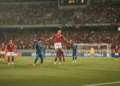

Jorn Andersen was formally unveiled as the new head coach of the Myanmar national team at the Football Association of Myanmar headquarters in Yangon on 10 July 2026.
The 63-year-old Norwegian signed a contract that will run for the next two years and arrives with the immediate task of preparing a squad for the ASEAN Hyundai Cup 2026.
Andersen said his priority is to lift standards and build a team capable of competing in the regional tournament and beyond.
Signing completed at MFF headquarters in Yangon
The unveiling ceremony took place at the Football Association of Myanmar’s offices, where officials and federation staff attended the formal signing.
MFF General Secretary Tun Tun Aung was present for the event, marking a swift conclusion to negotiations that brought Andersen to the job.
The federation emphasized that the agreement is intended to provide stability and a clear development pathway through the next cycle of regional competitions.
Coach profile: Andersen’s playing and managerial pedigree
Andersen enjoyed a lengthy playing career in Norway and Germany, amassing more than 400 senior appearances before transitioning into coaching.
In management he has previously led national teams in Asia, including stints with Hong Kong and the DPR Korea national side, giving him regional experience that the MFF cited as a key factor in his recruitment.
His blend of European playing background and previous work in Asian football is expected to influence his approach to squad building and match preparation.
Immediate challenge: Group B and the ASEAN Hyundai Cup 2026
Myanmar has been drawn in Group B of the ASEAN Hyundai Cup 2026 alongside Thailand, Malaysia, the Philippines and Laos, presenting a demanding group stage assignment.
With less than two weeks until the tournament begins, Andersen’s immediate priority is to finalise a competitive roster and install basic tactical principles that can be executed under tournament pressure.
Preparations will need to balance fitness, familiarity among players, and rapid tactical assimilation to ensure the team is ready for its opening fixtures.
Squad selection and preparation timeline
Andersen faces a compressed timeline to assemble his squad, assess player form, and integrate any fringe talents into a cohesive unit.
The head coach is expected to evaluate domestic-based players closely while monitoring Myanmar players abroad, seeking a mix of experienced heads and younger prospects.
Training sessions in the coming days will focus on establishing a defensive structure, set-piece organisation, and transition play — areas Andersen has historically prioritised in short-camp preparations.
Tactical expectations and style of play
While Andersen has typically favoured disciplined, organised teams, observers expect him to adapt tactics to the strengths of Myanmar’s player pool.
His teams have often shown an emphasis on structure and quick counter-attacks, but he has demonstrated flexibility in past roles when working with different talent bases.
Implementing a clear identity in a short timeframe will be challenging, yet establishing fundamental defensive stability and clear attacking patterns will be central to the plan.
Federation goals and longer-term development aims
The MFF’s decision to award a two-year contract signals intent to pursue development beyond a single tournament cycle.
Officials have cited the need to improve international competitiveness, invest in youth pathways, and raise the overall professionalism of the national team setup.
Andersen’s mandate is therefore twofold: deliver competitive performances at the ASEAN Hyundai Cup 2026 and contribute to structural improvements that benefit Myanmar football in the medium term.
The immediate spotlight will remain on the squad selection and the tactical blueprint that Jorn Andersen brings to Yangon, with the ASEAN Hyundai Cup serving as the first public test of the new regime.