Antonio Pintus to Remain Real Madrid Physical Trainer as Board Overrules Mourinho
Antonio Pintus will stay as Real Madrid’s physical trainer after Jose Mourinho’s arrival, with the club board overruling to retain the conditioning expert.

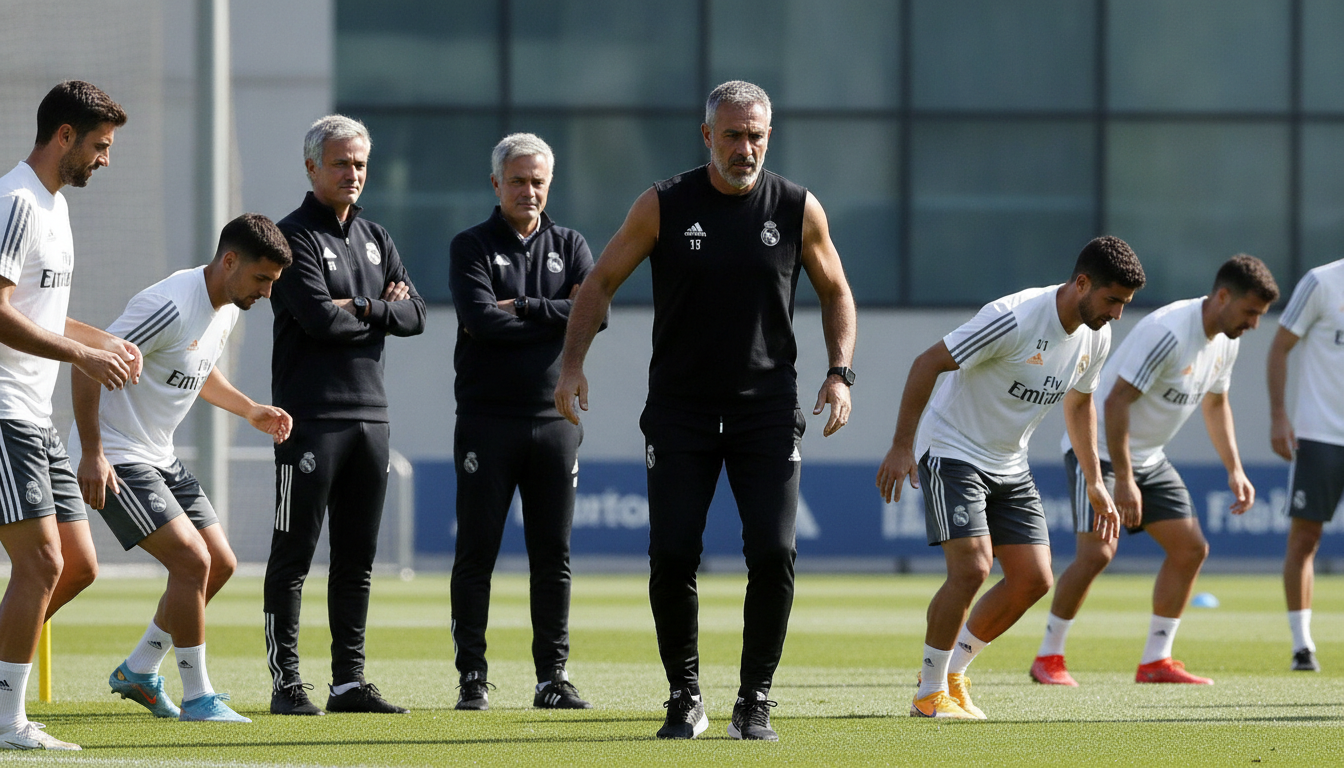
Real Madrid’s sporting board has decided that Antonio Pintus will remain the club’s physical trainer as Jose Mourinho prepares to take charge, sources in the Spanish press report. The decision reflects a clear intervention by the hierarchy to preserve continuity in conditioning and fitness work at the club. While Mourinho has been allowed to reshape parts of his backroom staff, the board drew a firm line at the physical preparation role.
Board Overrides Mourinho on Pintus Appointment
The club hierarchy moved decisively to keep Pintus in place despite the incoming head coach reportedly having a different preference for the role. That intervention means Pintus, who returned to Real Madrid during last season’s coaching change, will continue to oversee the team’s physical preparation. The board’s decision underscores the value it places on institutional continuity in a season that will involve significant sporting transitions.
The move highlights the balance of power inside the club during the early days of Mourinho’s tenure. The board appears ready to cede some technical and tactical decisions to the coach while protecting areas it views as strategically important. Retaining Pintus suggests the board regards physical preparation as a stabilizing factor amid a wider rebuild.
Pintus’ Recent Return and Track Record
Pintus rejoined Real Madrid last winter after a brief absence and has since been a central figure in day-to-day player conditioning. His methods and reputation for reducing injuries and improving player stamina have given him significant standing within the club’s institutional memory. That track record likely informed the board’s choice to keep him, particularly with a demanding domestic and European calendar ahead.
Players and sporting staff value continuity in conditioning programmes because it affects training loads, recovery protocols and match preparedness. Pintus’ familiarity with the squad and existing medical staff reduces the disruption often associated with wholesale backroom changes. For a club planning squad adjustments, preserving the fitness architecture can provide an important platform for on-field stability.
Mourinho’s Backroom Changes and the Goalkeeping Role
While the board stopped Mourinho from replacing the physical trainer, the coach was granted his preference in the goalkeeping department. Mourinho installed his own choice as goalkeeper coach, a move that reflects his desire to influence specific technical areas. At the same time, the existing goalkeeper coach, Luis Llopis, will remain at the club in a different capacity rather than departing entirely.
That compromise suggests negotiation between the head coach and the board over which roles should be fully inside Mourinho’s remit. Allowing Mourinho to appoint a goalkeeper coach while retaining other trusted figures represents a calibrated approach by the club. It also indicates the club expects the new coach to integrate with established staff where practical.
How the Split Will Affect Preseason Preparation
The co-existence of Mourinho and Pintus will shape Real Madrid’s approach to preseason planning and early training cycles. Mourinho is known for precise training regimes and tactical rehearsal, while Pintus directs conditioning loads and recovery schedules that underpin those sessions. Coordinating those priorities will be a practical test for both men and the wider support staff.
The interaction between a head coach’s tactical vision and the physical trainer’s workload management is critical in the opening weeks of a campaign. Misalignment can increase fatigue and injury risk, while coherent collaboration can accelerate fitness gains and tactical assimilation. Club sources expect the staff to establish clear planning meetings to align objectives for the playing group ahead of competitive fixtures.
Institutional Stability Versus Managerial Prerogative
Real Madrid’s decision to retain Pintus reflects a broader philosophy at elite clubs where boards sometimes seek to protect institutional knowledge. Sporting directors and boards often view roles tied to player welfare and long-term squad health as less transient than tactical positions. In this case, the board judged that maintaining Pintus offered a net benefit to continuity.
For Mourinho, who has historically preferred to bring trusted lieutenants into his coaching fold, the outcome is a reminder that managerial authority can be shaped by club governance. Mourinho will retain significant control over team selection and tactical instruction, but the arrangement sets explicit limits on some staffing changes. How the coach navigates that balance will be a storyline during the season’s opening months.
Potential Impact on Players and Injury Management
From a player perspective, Pintus remaining in the role should mean familiarity in training structure, recovery protocols and monitoring systems. For individuals returning from injury or adapting to new fitness programmes, that predictability can be an advantage. The medical and performance department will need to synchronize closely with Mourinho’s tactical demands to keep players available and match-ready.
The upcoming season is likely to test the squad’s depth and robustness, making conditioning and injury prevention central to competitive ambitions. Retaining an experienced physical trainer allows the club to pursue continuity in load management while Mourinho focuses on the team’s tactical identity. Observers will watch early training reports and preseason minutes to assess how effectively the two approaches mesh.
Next Steps and Early Tests for the Coaching Team
Attention now turns to the final composition of Mourinho’s backroom staff beyond the goalkeeper coach and Pintus. Additional appointments or adjustments may follow as the coach and the club finalize structures for scouting, analytics, and youth integration. Early preseason friendlies and training reports will provide the first indications of how the backroom team functions under the new configuration.
How Mourinho’s methods are reconciled with existing protocols will also influence transfer planning and player conditioning during the summer window. The club’s approach so far signals a willingness to blend incoming managerial preferences with retained institutional expertise. For supporters and analysts, the true measure of the arrangement will be performance, durability and the squad’s readiness when the season begins.
Real Madrid faces a demanding slate of competitions and scrutiny will be immediate; keeping Antonio Pintus in place is a strategic move by the board to protect continuity in preparation and player welfare. The coming weeks will reveal whether that decision helps the club manage the physical toll of a long season while Mourinho imposes his tactical imprint.