Liberia national team visas denied by U.S., July 26 friendly with Minnesota United II in doubt
U.S. visa denials for Liberia national team jeopardize the July 26 friendly with Minnesota United II; most of the delegation were refused entry, the LFA has confirmed.

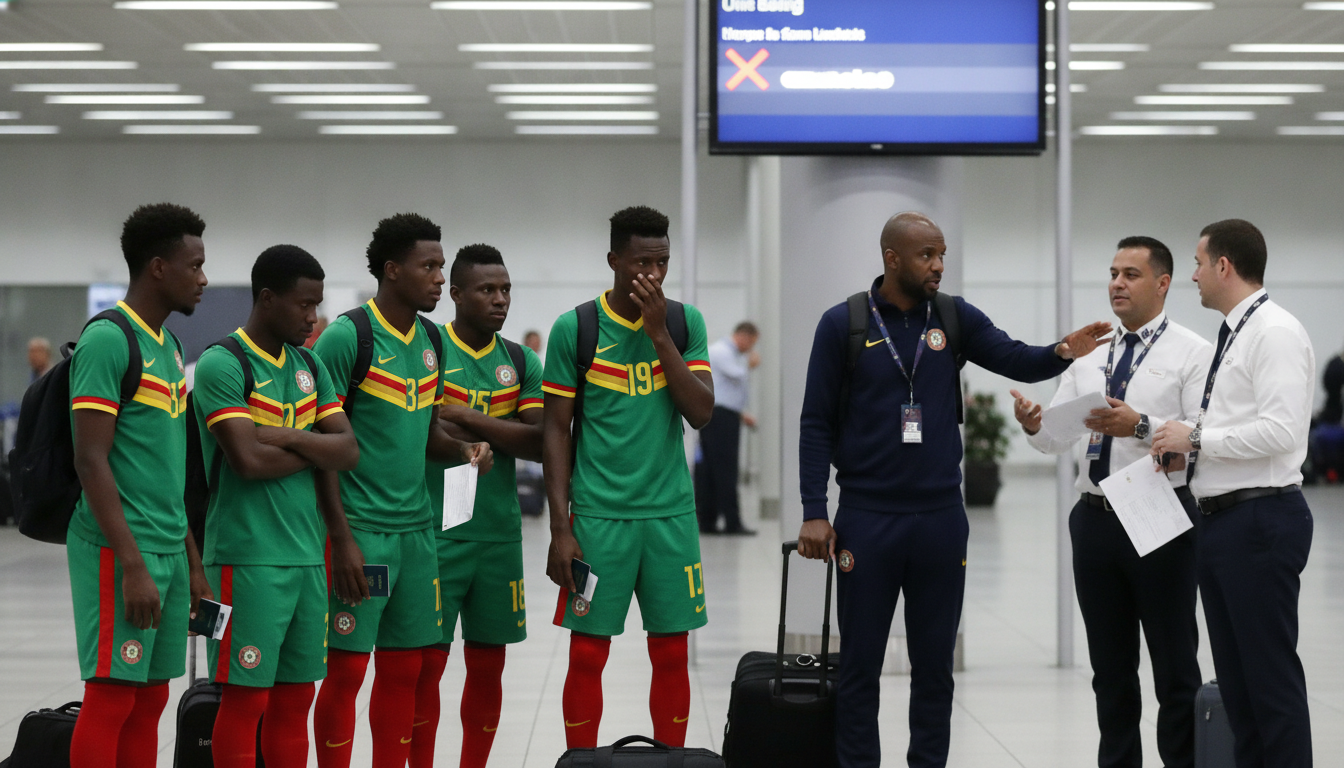
The United States refused visas for the majority of Liberia’s national team delegation, putting the planned July 26 friendly against Minnesota United II in serious doubt. The denial directly affects the Lone Star’s participation in a match intended to mark Liberia’s Independence Day celebrations, with the Liberia Football Association confirming the visa refusals. Only a single official from the delegation has been granted entry, leaving organizers and officials scrambling to assess next steps.
U.S. visa denials cast doubt over Liberia friendly
The Liberia Football Association (LFA) said the delegation submitted for travel to the United States has been hit by a string of visa refusals that make the friendly increasingly unlikely to proceed. The match, organized as part of events around Liberia’s Independence Day, was to feature the national side against Minnesota United II on July 26. With the bulk of the delegation unable to secure travel documents, match organizers and the visiting club face a narrowing window to salvage the fixture.
Officials involved in planning described the denials as unexpected and disruptive to both competitive and ceremonial elements of the trip. The timing of the decision leaves little room to reorganize travel or to assemble a substitute squad that would represent Liberia adequately on U.S. soil. Organizers are now weighing cancellation or a last-minute adjustment to the event format.
Match scheduled for July 26 tied to Independence Day celebrations
The friendly was timed to coincide with Liberia’s 179th Independence Day and was promoted as the centerpiece of a series of commemorative events for the Liberian diaspora in the United States. Planners had expected the match to provide both a sporting contest and a community celebration, with the national team seen as a focal point for national pride. The loss of the team’s presence would diminish those celebrations and complicate arrangements already made by local organizers.
Minnesota United II had prepared to host the game, with logistical plans in place that included stadium arrangements and community outreach tied to the Independence Day festivities. Those preparations are now at risk as the LFA and local partners assess the impact of the visa denials on ticketing, staging, and public communications. Any decision to cancel would require rapid notifications to fans, sponsors, and vendors.
Delegation reduced from 25 to 10 before interviews
Sources confirm that the Liberia Football Association originally submitted a delegation list of 25 people for visas and travel, a figure that was later reduced to ten applicants. The reduction in the delegation roster preceded scheduled visa interviews at the U.S. Embassy, raising questions among officials about selection criteria and logistical constraints. The smaller list was expected to streamline the process, but it did not prevent the subsequent wave of denials.
Federation executives said the cuts to the delegation reflected practical considerations around travel costs and roster composition, but they did not anticipate that fewer applicants would increase the risk of the overall trip being disrupted. The final list was intended to include key players, technical staff, and senior administration necessary to field a competitive and official national side.
Six applicants denied after interviews at U.S. Embassy
Of the ten delegation members who attended interviews at the U.S. Embassy on the scheduled day, six were reportedly denied visas following the consular review. The denials covered a mix of players and support staff, significantly eroding the team’s ability to travel and compete. The LFA confirmed the outcome internally, and local media reported that the match was likely to be canceled as a result.
Only four applicants received favorable decisions at the interviews, and among those approved was LFA First Vice President Sekou Konneh, who was the sole official publicly confirmed to have been granted entry. The uneven approval rate has left the federation with a truncated traveling party far below what would be required for an international friendly.
Liberia Football Association confirms denials and cancellation expected
The LFA has publicly acknowledged that visas were refused to multiple members of the delegation and said it is now assessing the implications for the July 26 fixture. Federation officials indicated that they are in contact with event organizers and the host club to determine whether an alternative arrangement can be made or whether cancellation is unavoidable. Local reporting suggests the match is now expected to be called off, though a final decision had not been announced at the time of the federation’s statement.
Officials emphasized the disruption this creates beyond the single match, noting the reputational and logistical consequences for the LFA and for players who were to gain international exposure. The federation also said it would review its visa application processes and engagement with U.S. consular authorities to try to prevent similar outcomes in future international trips.
Silence from U.S. Embassy and diplomatic consequences
The U.S. Embassy has not issued a public comment regarding the visa decisions or the specifics of the denials, leaving a vacuum of official explanation. Embassies typically do not disclose details of individual visa adjudications, but the lack of comment has prompted calls from Liberian organizers and diaspora leaders for clarity. The absence of an official explanation has also fueled speculation about administrative or documentary issues that may have influenced the consular determinations.
The broader diplomatic implications include potential strain on sports exchanges and community events that depend on predictable visa processing. For diaspora communities, the cancellation of a high-profile match tied to national celebrations is a tangible loss, and organizers are urging both the LFA and U.S. authorities to engage in dialogue to resolve outstanding questions.
Potential fallout for future international fixtures and LFA planning
The incident is likely to prompt the Liberia Football Association to reassess its planning and risk mitigation for overseas matches, including earlier visa submissions, more comprehensive documentation, and contingency roster plans. International friendlies offer crucial development opportunities and revenue streams for smaller football federations, and disruptions of this nature can have an outsized impact on scheduling and finances. The LFA may also seek to expand its diplomatic outreach or to partner more closely with host federations to streamline administrative processes.
For players, a canceled fixture means lost opportunities to gain experience against international opponents and to showcase talent to scouts and clubs abroad. Coaches and administrators will now need to recalibrate preparation timelines and explore alternative fixtures or training camps that can provide competitive minutes for the squad in the coming weeks.
The LFA says it will continue communications with event stakeholders and the host club to confirm the status of the July 26 match and to consider next steps for celebrating Liberia’s Independence Day in the diaspora.