Pape Thiaw’s Salary Demands Blamed for Senegal’s 2026 World Cup Exit, FSF President Says
FSF president Abdoulaye Fall says coach Pape Thiaw’s salary dispute and a breakdown in trust undermined Senegal at the 2026 World Cup, prompting his dismissal. (154 characters)

Fall Blames Contract Dispute for World Cup Exit
Senegalese Football Federation president Abdoulaye Fall has told reporters that coach Pape Thiaw’s insistence on a pay rise created a toxic environment that contributed to Senegal’s early exit from the 2026 World Cup. Fall said the dispute over remuneration and a failure to formalize a contract eroded trust between the coach and federation officials. The federation chief framed those internal tensions as a major factor behind the team’s elimination in the round of 32 by Belgium on July 1, 2026.
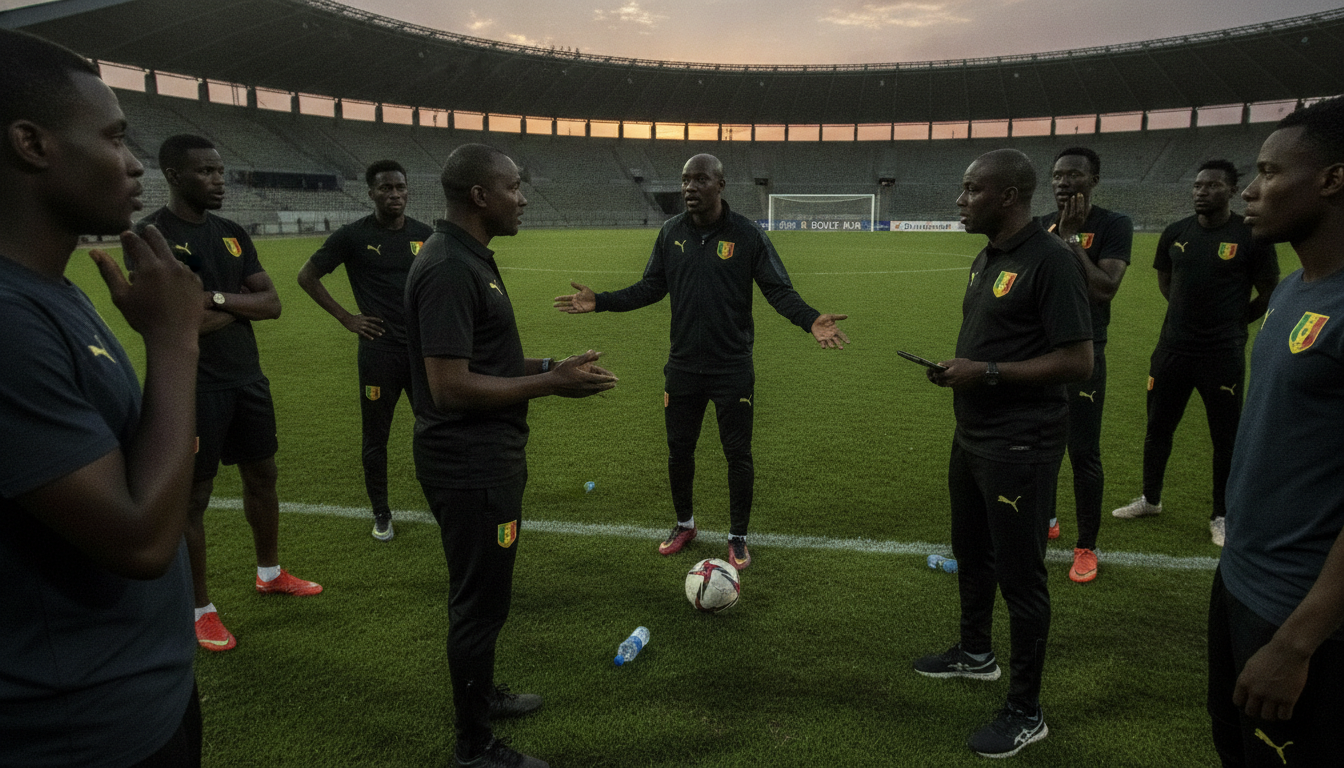
Fall said the relationship deteriorated further when Thiaw refused to participate in normal matchday routines until contractual matters were settled. The row, according to Fall, was resolved only after urgent interventions from political leadership and late-stage negotiations. The coach was dismissed soon after; Thiaw was sacked on Sunday, July 5, 2026, following the team’s knockout defeat.
Chronology of the Pay Dispute
According to the federation, Pape Thiaw first raised his salary claim before the squad departed for the United States, asking for an increase from his existing terms. Fall described an initial impasse over a new contract and the allocation of bonuses as the spark for the wider breakdown in relations. Negotiations continued under pressure as the World Cup got under way, with the federation and coach eventually agreeing to revised terms while the tournament was in progress.
Fall said the contract and outstanding issues were finally signed on the eve of Senegal’s second group match against Norway after Thiaw refused to take his seat in the dugout until the paperwork was complete. The late timing of the agreement, the president argued, meant the team carried unresolved tensions into key fixtures. Those frictions were cited by Fall as undermining preparations and day-to-day operations during the tournament.
Tension Spilled Over into Preparations
Fall told the press conference in Dakar that Thiaw saw federation officials as adversaries, and that perception affected how players, staff and administrators interacted. At one point, Thiaw is said to have threatened not to travel to the World Cup if his demands were not met, a standoff that required national-level intervention. Senegal’s president, Bassirou Diomaye Faye, reportedly intervened to persuade the coach to travel on the day the team were due to depart.
The federation described a loss of cohesion around the manager that made routine decisions more fraught and disrupted the normal chain of command. Fall framed those developments as having a direct consequence for the national team’s performance and morale. He said the federation had to balance contractual fairness with the operational stability of the squad.
Tournament Results and Tactical Outcomes
On the field, Senegal’s campaign produced mixed results in the group stage with defeats to France and Norway before a comprehensive 5-0 victory over Iraq secured progression to the knockout rounds. The elimination came in the round of 32 when Belgium ended Senegal’s run with a win on July 1, 2026. That loss prompted immediate scrutiny of team selection, tactics and matchday leadership.
Senegal had entered the tournament with the weight of recent continental success, including the Africa Cup of Nations final earlier in the year. Under Thiaw the team had captured the AFCON title in January, but that triumph had been overshadowed by the team’s controversial walk-off in the final and subsequent disciplinary consequences. The contrast between continental success and World Cup disappointment intensified debate inside the federation and among supporters.
Institutional and Public Reaction
Fall’s remarks have prompted a swift reaction across Senegal’s football ecosystem, with supporters, pundits and former players weighing in on the federation’s handling of the dispute. The decision to dismiss Pape Thiaw on July 5 has been defended by the FSF as necessary to restore discipline and clear governance ahead of forthcoming fixtures. Critics, however, say that the timing of contractual turmoil and managerial change deepened instability at a critical moment.
Political leaders who intervened to keep the coach on the plane have also come under scrutiny for becoming entangled in a sporting management issue. The federation maintains that state involvement was limited to urging resolution and ensuring the national team represented the country at the World Cup. That explanation has done little to quell questions about where responsibility for the preparation failures should rest.
Immediate Next Steps for the National Team
With Thiaw removed from his post, the federation has opened a process to identify an interim coach and begin a search for a permanent successor ahead of the next international window. The FSF has signaled that it will seek a manager who can re-establish clear lines of authority and rebuild trust between staff and officials. Federation officials also say they will review internal procedures for contract negotiations to prevent late-stage disputes from disrupting future tournaments.
The focus for Senegal now will be rebuilding cohesion among players who remain key to the national setup and ensuring preparations for upcoming qualifiers and friendlies proceed on a stable footing. The federation has emphasized continuity in support staff where possible to limit disruption, while also promising transparency in the process of appointing a new head coach.
Senegalese football faces a period of scrutiny as it attempts to reconcile recent domestic and continental successes with the disappointment on the world stage and to implement governance reforms that address the issues Abdoulaye Fall identified.