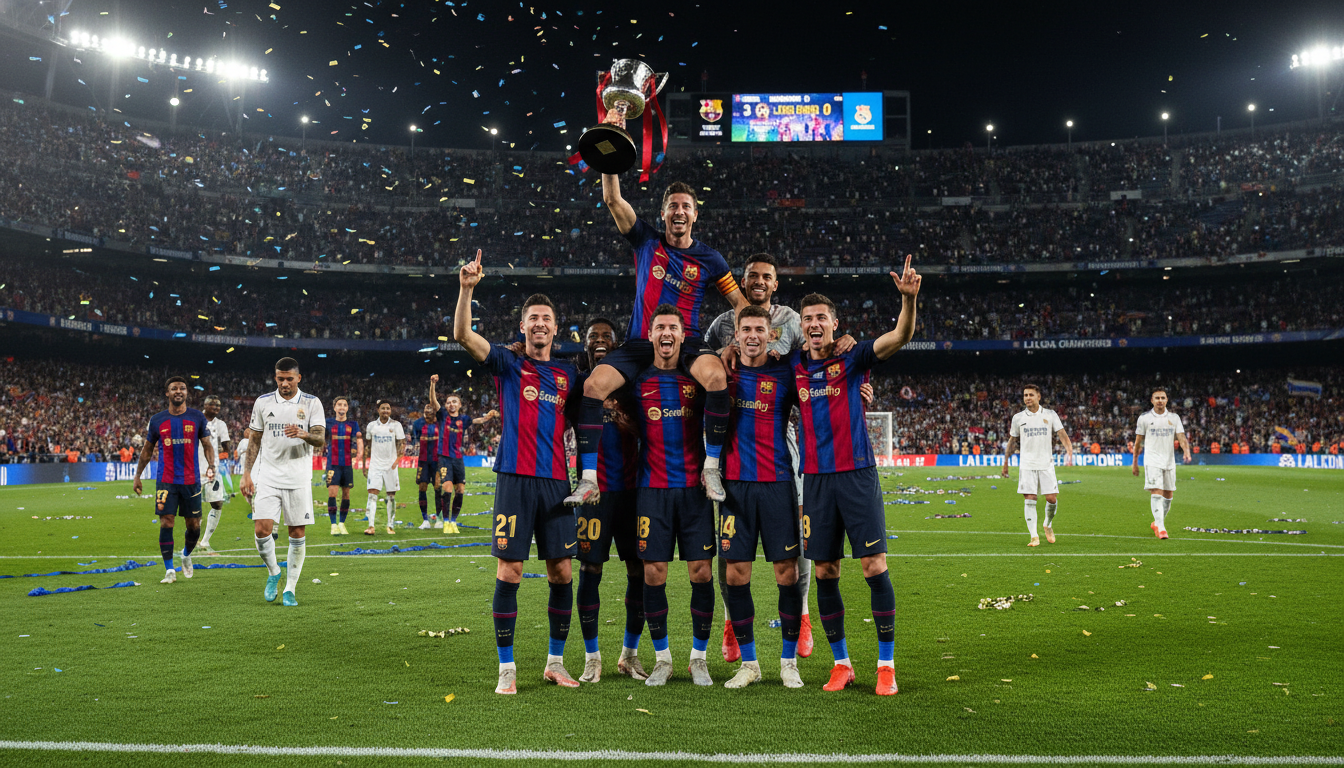
Barcelona Clinches LaLiga 2025-26 Title as Flick’s High-Pressing Side Outclasses Real Madrid
Barcelona sealed the LaLiga 2025-26 crown under Hansi Flick, finishing eight points clear of Real Madrid after a season defined by relentless pressing, prolific scoring and sustained consistency.

Barcelona Clinches LaLiga with Sustained Dominance
Barcelona concluded the LaLiga 2025-26 season with a comprehensive title victory, cementing their status at the top of Spanish football. The team led the standings for 25 of the last 26 matchdays and produced a run that included 24 wins across their most recent 28 league fixtures. That sustained form left them 31 wins in 38 matches overall, with only a handful of dropped points late in the campaign.
Their campaign combined an unshakable home record with a potent attack that delivered 95 league goals, making Barcelona the highest-scoring side in the division. While defensive imperfection remained—36 goals conceded, one more than Real Madrid—the attack and tactical coherence under Flick proved the decisive margin across the season.
Mbappé’s Numbers Fail to Turn Tide for Real Madrid
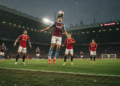
Kylian Mbappé continued to score at an impressive clip for Real Madrid, following a 31-goal haul in 2024-25 with 25 goals this season. Despite his consistency — finding the net in the majority of matches — those returns were not enough to dislodge Barcelona from the summit. Real Madrid finished eight points adrift this season, extending a two-year span without the league title since Mbappé’s arrival.
The white shirt’s transition on the touchline also complicated their challenge. Xabi Alonso was replaced earlier in the campaign and Álvaro Arbeloa took charge mid-season, but the team’s points-per-game under Arbeloa over 19 matches were four points worse than Alonso’s first 19 outings. The managerial disruptions and Barcelona’s superior collective balance ultimately undercut Madrid’s title bid.
Hansi Flick’s Tactical Blueprint and High Pressing Game
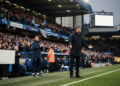
Hansi Flick’s Barcelona imposed a clear identity through aggressive, high-line pressing and structured positional play. Flick’s system prioritized quick transitions, overloads in wide areas and coordinated counter-pressing that repeatedly unsettled opponents. The coach’s approach produced both volume—95 goals—and control: Barcelona held sustained advantages in possession and territory in key fixtures.
That discipline extended to pressing triggers and defensive organization out of possession, allowing Barcelona to turn turnovers into chances rapidly. The high press also constricted the time available to opposition playmakers, forcing errors that Barcelona converted with clinical finishing. Flick’s tactical clarity became the defining attribute that separated his side in tight encounters and long stretches of the campaign.
Statistical Edges: Home Form, Consistency and Key Margins
At Camp Nou Barcelona were near-perfect, winning all 19 home league matches, a clean sweep that anchored their title. Away from home the club collected 37 of a possible 57 points, registering 12 victories in 19 road fixtures. Those combined records showed a team capable of dominating at home while remaining resilient on the road.
Only seven matches resulted in dropped domestic points in the league all season—one draw, against Rayo Vallecano in Vallecas, and six defeats spread across the calendar. Notably, several losses came after the title had already been decided. The narrowness of some margins—Barcelona conceded 36 goals to Real Madrid’s 35—highlights that attacking superiority and match control, rather than defensive invulnerability alone, decided the title race.
European Qualification and the Rise of Villarreal and Betis
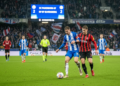
The LaLiga table this season reflected significant movement beyond the top two, with Villarreal consolidating an impressive place among Spain’s elite. Under Marcelino García Toral, Villarreal achieved back-to-back Champions League qualifications for the first time in the club’s history, translating sporting progress into valuable financial rewards and European relevance. Their finish on the podium represented a sustained push to remain among Spain’s contenders.
Real Betis continued an upward trajectory and secured Champions League football after seasons in continental competitions that included a Conference League final and a Europa League quarter-final. The club’s progression from the third-tier continental competition to the Champions League inside a year underlines internal growth and recruitment that bore fruit across a demanding campaign.
Cup Winners, Midtable Surprises and Athletic’s Shortfall
Real Sociedad captured the Copa del Rey this season, an achievement that underscored their positive trajectory after managerial change and strong results in knockout competition. Celta Vigo also maintained European momentum by qualifying for the Europa League for a second successive year. Getafe achieved a noteworthy turnaround under José Bordalás, securing European football against expectations and landing an encouraging season for the club.
Conversely, Athletic Club under Ernesto Valverde fell short of preseason hopes. The physical toll of Champions League participation and injury concerns, including a prolonged pubalgia problem for Nico Williams, contributed to a campaign that disappointed fans used to European contention. The variance among midtable clubs illustrated the competitive depth in LaLiga, where European place battles often hinge on fine margins and managerial stability.
Relegation, Survival and Late-Season Drama
LaLiga’s relegation picture delivered dramatic narratives in the closing weeks, with Real Oviedo suffering a turbulent return to the top flight that ended in demotion after three managerial changes. Girona and Mallorca also occupied the relegation zone at different points; Girona’s promising early recovery fell away in the final eight matchdays, while Mallorca’s partial recovery under Martín Demichelis proved insufficient to secure survival.
Sevilla and Valencia, two traditional top-half contenders, faced stern tests to avoid the drop but ultimately secured survival despite recurring struggles. The shifting landscape among clubs fighting to remain in LaLiga Hypermotion highlighted how thin the margin is between stability and relegation in Spain’s top division.
The balance of power that defined LaLiga 2025-26 emerged from a combination of tactical clarity, squad depth and consistency over 38 matchdays, giving Barcelona the edge needed to claim the title and reshape expectations across the league.