Dominic Johns to captain Football Club at HKFC Standard Chartered Soccer Sevens after long recovery
Dominic Johns will captain Football Club at the HKFC Standard Chartered Soccer Sevens after a two-year recovery from a broken leg, multiple surgeries and a serious infection.

Dominic Johns will lead Football Club into the HKFC Standard Chartered Soccer Sevens this weekend, marking the end of a prolonged and at times harrowing rehabilitation from a compound fracture suffered in 2024. The forward, who spent the 2025 edition working as a digital-content producer, returns to the squad as captain after successive operations, an infection that required months of antibiotics, and a complex program of rebuilding strength and mobility. Johns’s selection is the latest chapter in a recovery he describes as far more taxing mentally than physically at times, and it sets up a story of resilience ahead of the tournament.
Captaincy confirmed for Sevens showpiece
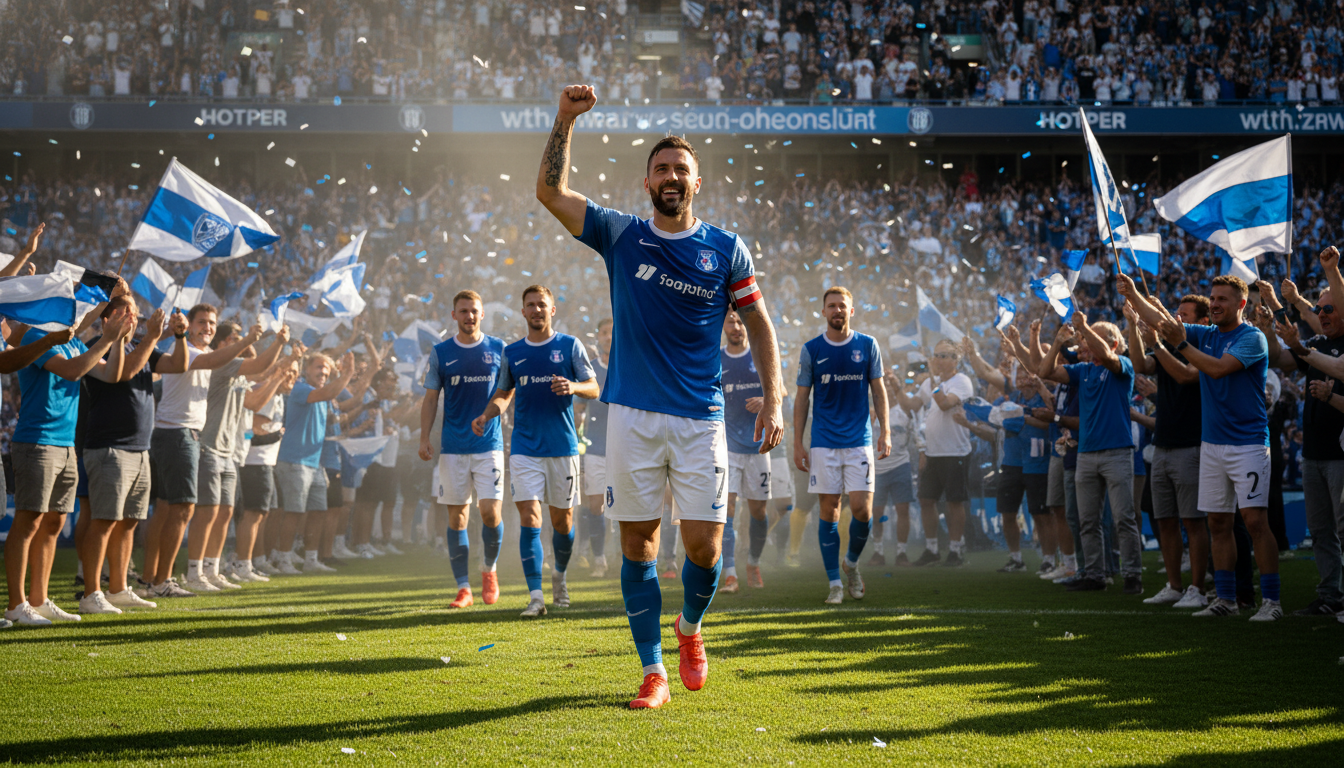
Johns has been confirmed as captain of Football Club for the upcoming HKFC Standard Chartered Soccer Sevens event in late May 2026. The club elevated him to the leadership role after seeing his commitment through training and rehabilitation, and after a period in which he contributed off the field in 2025 as part of the tournament’s digital team. Coaching staff cited his experience and mental resilience as decisive factors in handing him the armband for a tournament that demands speed, fitness and quick decision-making.
The appointment carries symbolic weight for Football Club and for Johns personally. He has been part of the sevens environment for several years and his return to active playing—and into a leadership position—signals the club’s faith in his ability to stabilise a forward line that relies on pace and tactical intelligence. The captaincy will also place him in a position to mentor younger players who are regulars in the fast-paced, condensed format.
How the injury occurred and the immediate aftermath
Johns’s injury began with a tackle in the 2024 HKFC Standard Chartered Soccer Sevens that resulted in a severe break to the tibia and fibula of his right leg. The incident, during a competitive match against North District, left him with compound fractures that required surgical intervention. Initial procedures did not produce the expected recovery trajectory, and complications emerged early in the post-operative period.
Those early setbacks foreshadowed a prolonged treatment process. After the first surgery failed to stabilise the injury adequately, Johns underwent a second procedure designed to remove internal fixation hardware and investigate underlying issues. That intervention exposed further complications that extended the period of immobility and uncertainty around his rehabilitation timeline.
Complications: infection and further operations
Following hardware removal, Johns developed an infection in the injured limb that significantly complicated recovery. He spent several months on antibiotics and describes a period during which the leg felt functionally “floppy,” a phrase that captures both the physical limitations and the anxiety of not knowing how the limb would respond to therapy. The infection required careful monitoring and medical management before a definitive reconstructive operation could be considered.
In November 2024 Johns travelled to Sydney for major surgery aimed at addressing the infection and stabilising the bone structure. That operation proved to be a turning point, but did not offer a clean, immediate return to play. Instead it launched a multi-stage rehabilitation plan that included physiotherapy, gradual weight-bearing exercises and ongoing assessments to determine readiness for contact and match fitness.
Rehabilitation timeline and persistent setbacks
The road back to full training stretched over 18 months and included repeated setbacks that made long-term planning difficult. For much of the first year and a half Johns said he could not map out a reliable rehabilitation schedule because the medical picture kept changing. There were periods of progress, followed by regressions linked to pain, swelling or concerns from his surgical team, and these fluctuations helped to prolong the recovery.
Those repeated interruptions proved draining for Johns and for those around him, including medical staff and teammates who had to adapt expectations continually. The rehabilitation plan evolved from basic mobility and infection control to targeted strength conditioning, balance work, and fitness drills designed to restore the speed and agility required for sevens football. The process demanded patience and precise load management to avoid new injuries or relapses.
Mental health toll and coping strategies
Johns has spoken candidly about the psychological impact of the injury and the drawn-out recovery that followed. He described a sustained period of mental struggle, in which uncertainty about the prognosis and the repetitive nature of rehabilitation work contributed to frustration and low points. Losing active participation in the sport he loves and confronting daily pain and limitations exacerbated the emotional burden.
To get through the tough stretches Johns leaned on a combination of professional support and practical coping strategies. He engaged closely with physiotherapists, consulted with surgeons, and relied on teammates and family for emotional backing. Taking on the digital-production role in 2025 also offered a constructive outlet, keeping him embedded in the tournament environment and providing purpose while his on-field role was paused.
Return to training, friendly match setback and current fitness
This season Johns progressed back into training and saw sufficient improvement to be considered for match duty, but his comeback included a fresh, psychologically painful moment when a blow suffered in a friendly match reminded him of the fragility of the process. That episode underscored the fine margins between readiness and re-injury and served as a caution for the coaching staff managing his minutes and responsibilities in tournament games.
At present Johns is playing through residual discomfort that he characterises as daily but manageable pain. The coaching team has adjusted his workload and employed a phased return-to-play model that emphasises short, high-intensity efforts appropriate to sevens matches rather than 90-minute endurance. Medical staff continue to monitor inflammation and structural integrity while the strength and conditioning programme targets sprint mechanics and joint stability.
Tactical role and leadership expectations for Football Club
As captain, Johns is expected to influence both on-field tactics and off-field preparation for Football Club. Sevens football prizes quick transitions, high pressing and incisive finishing, and Johns’s attributes—pace, work rate and situational awareness—make him a natural fit for the role despite his recent history. Coaches plan to use him in bursts to maximize his influence while limiting cumulative stress on the repaired limb.
Beyond minutes on the pitch, his leadership role extends to mentoring younger players and setting standards in recovery, preparation and match temperament. Having lived through a prolonged rehabilitation, Johns can offer a perspective on managing setbacks, handling disappointment and remaining focused under pressure, qualities that coaches believe will benefit a squad in a short, intense tournament format.
Club perspective and medical oversight
Football Club’s medical and coaching staff have been careful to balance ambition with caution in managing Johns’s reintegration. The club has worked closely with orthopaedic specialists and physiotherapists to design a plan that allows him to contribute meaningfully without compromising long-term health. That collaborative approach includes load monitoring, pain-management protocols and contingency plans if symptoms worsen.
From the club’s standpoint, Johns’s presence is valuable both for his playing attributes and for the morale boost it provides. His selection as captain reflects a club-level endorsement of his resilience and a belief that his experience can be channelled into leadership rather than simply play minutes. The medical team remains on-call throughout the tournament, ready to adapt the plan as necessary.
Johns’s comeback will be watched closely by peers and rivals, and his experience highlights the medical, psychological and managerial complexities that accompany serious sporting injuries. His route back to the sevens arena combines high-level surgical care, detailed rehabilitation, and a personal determination that has carried him through infection, repeated procedures and the long grind of recovery.
As he prepares to step onto the pitch in the HKFC Standard Chartered Soccer Sevens, Johns acknowledges daily discomfort but emphasises readiness to contribute. He hopes his return and captaincy will be judged not only by results but also by the example it sets for teammates facing adversity.
The tournament will test his physical limits and provide a public measure of how far his rehabilitation has progressed, but for Johns the opportunity to lead Football Club across the sevens pitch marks a meaningful milestone in a recovery that has demanded persistence and resilience.