Eintracht Frankfurt and Albert Riera Part Ways After 14-Game Spell
Eintracht Frankfurt and Albert Riera have mutually agreed to end their cooperation with immediate effect after Matchday 34, the club confirmed following a draw with VfB Stuttgart. The split closes a brief, 14-game chapter in which Riera took over in January, briefly stabilised results and ultimately oversaw a run that failed to secure European qualification. The decision was framed by the club as a planned change in direction ahead of the 2026/27 season.


Club Confirms Immediate Split
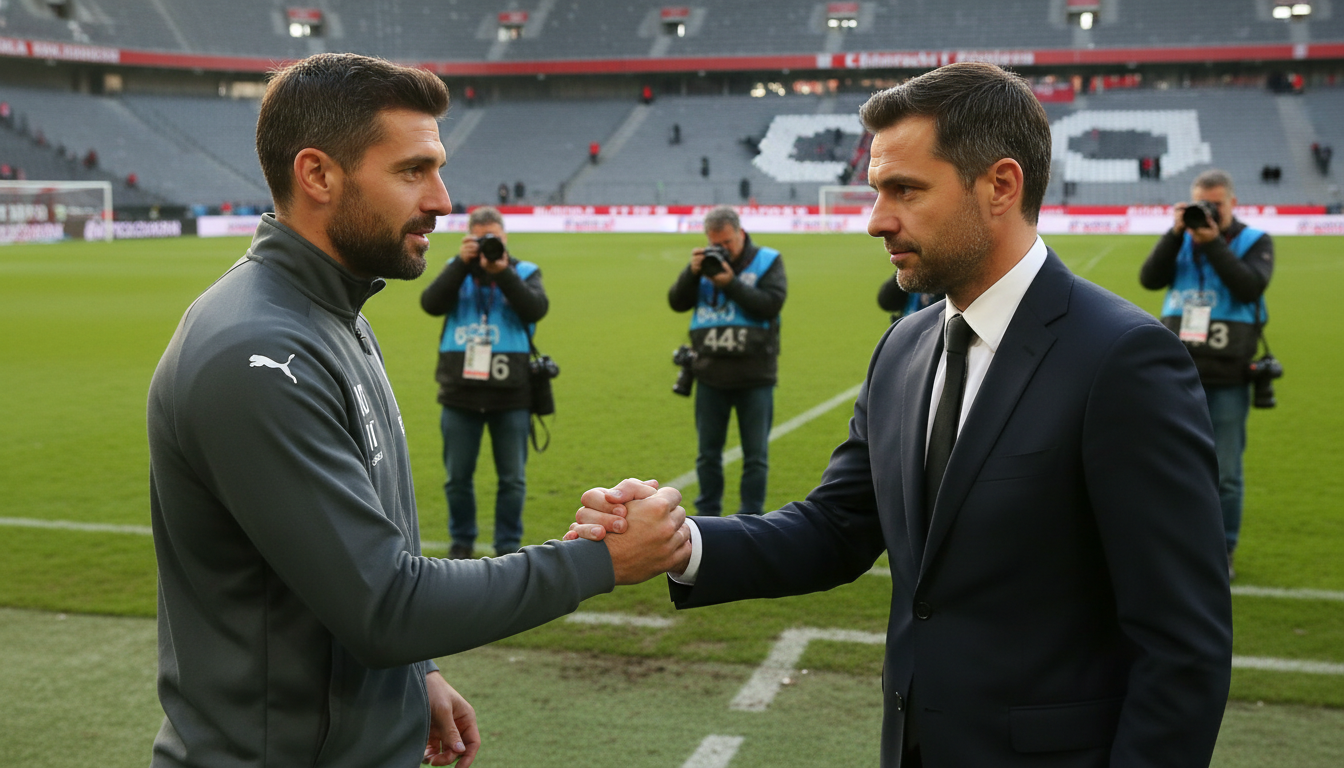
The club issued a statement saying that, after intensive discussions, both parties had agreed to terminate the working relationship with immediate effect. Sporting director Markus Krösche described the outcome as mutual and presented the decision as the result of an open sporting evaluation rather than an abrupt dismissal.
Krösche praised Riera and his staff for their commitment and for the detailed, professional approach they brought to the team during a difficult period. The club emphasised gratitude for the contributions made while also indicating a desire to pursue a different path next season.
Sporting Director Frames the Rationale
Markus Krösche said the decision followed an “open and honest analysis of the sporting development” and that the club intends to change course ahead of the new campaign. The sporting director stressed that the choice was not taken lightly and that the club had assessed both short-term outcomes and the vision for the squad going forward.
Krösche underscored that Riera’s tenure produced valuable impulses through “meticulous work,” but that the club’s leadership collectively concluded a different approach would better align with future objectives. The statement left room for an interim arrangement while the search for a long-term coach gets underway.
Riera Accepts Responsibility for Results
Albert Riera issued a brief response accepting responsibility for the team’s on-field performance and confirming the mutual agreement to part ways. He said his focus during the assignment had been on improving the squad and achieving success, a priority he maintained from his first day in charge.
Riera’s comments were succinct and professional, mirroring the tone of the club’s release, and he acknowledged that results ultimately determine a coach’s tenure. The departure underlines how swiftly managerial situations can change in top-level football when season objectives are not met.
Record and Key Results During Tenure
Riera took over from Dino Toppmöller in January and managed 14 competitive matches in charge, losing only twice in his first nine appearances. That early run provided a degree of momentum and suggested a potential stabilisation after midseason turbulence, with tactics and selection showing short-term improvement.
However, the final stretch of the campaign saw a downturn as Eintracht recorded two draws and three defeats across their last five fixtures, a sequence that proved costly for their European ambitions. Those late results, combined with rival performances, left the club outside the places that grant continental football for the 2026/27 season.
Final-Day Consequences and European Miss
Eintracht’s failure to secure European qualification marks the first time the club will miss out since the 2020/21 campaign. On Matchday 34 the draw with VfB Stuttgart crystallised a season-ending position behind Freiburg, who took the seventh spot and the last European place available through the Bundesliga standings.
Missing out on continental competition carries practical and financial consequences for Eintracht, affecting next season’s fixture planning, squad rotation strategies and potential transfer-market activity. It also raises questions internally about the club’s long-term targets and the profile of a coaching candidate who can restore consistent European qualification.
Immediate Sporting Priorities and Squad Planning
With the coaching vacancy now official, Eintracht must address immediate operational areas including preseason planning, player evaluations and the coaching structure for the summer. The club will need to appoint an interim coaching team to manage training and player fitness until a permanent head coach is confirmed.
Sporting director Krösche’s earlier reference to a “different path” suggests the club may prioritise candidates with a particular tactical profile or experience in rebuilding squads at top-tier levels. Transfer priorities could shift depending on the incoming coach’s philosophy and which players the club deems essential to retain for the next campaign.
Search for New Head Coach Underway
The club’s leadership faces an urgent task to identify a successor capable of delivering stability and returning Eintracht to European competition. Names linked to any vacancy in German top clubs typically range from experienced Bundesliga managers to promising coaches from abroad, and the board will balance immediate demands with long-term strategy.
Timing will be crucial: appointing a coach before preseason allows for clearer communication of tactical expectations and earlier integration with transfer planning. Eintracht’s recruitment approach will likely involve a mix of internal assessment and external scouting to ensure alignment with the club’s sporting and financial framework.
Eintracht Frankfurt now prepares for a summer of recalibration as it seeks to rebuild momentum and restore European ambitions for the 2026/27 season. The club must restructure its coaching setup, finalise transfer priorities and present a clear plan to supporters who expect Eintracht to compete consistently on both domestic and continental fronts.