African qualifiers enter second round as 16 nations chase U-17 Women’s World Cup places
Sixteen teams enter the second round of African qualifiers for the FIFA U-17 Women’s World Cup, battling for places in Morocco (17 Oct–7 Nov) across Africa.


The second round of the African qualifiers for the FIFA U-17 Women’s World Cup begins with 16 nations competing over two legs for a place at the global finals in Morocco. Uganda and Kenya will open the stage in Kampala on Friday, 22 May, while a high-profile tie between Senegal and Cameroon is scheduled at the Stade Léopold Sédar Senghor in Dakar. The round sets up a series of continental battles that will determine which under-17 sides progress closer to the tournament running from 17 October to 7 November in Morocco.
Uganda and Kenya open the second round in Kampala
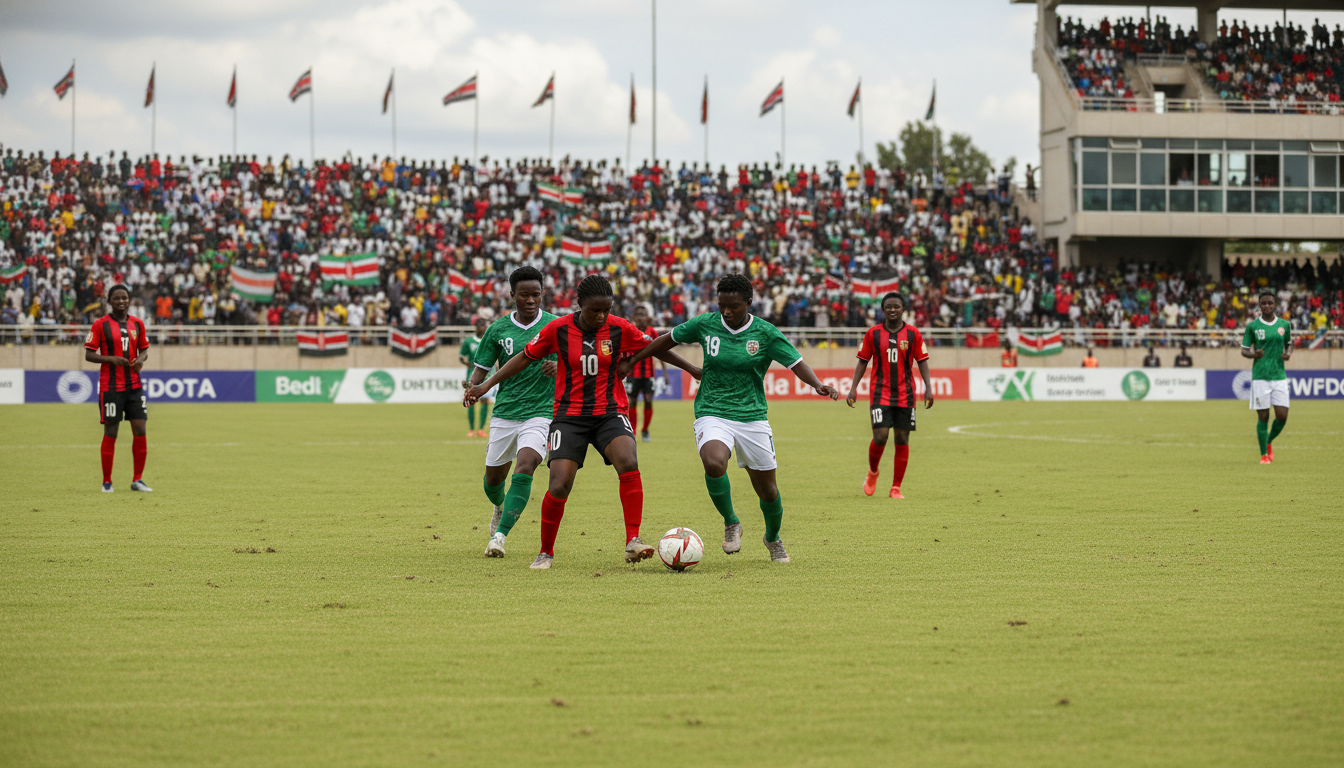
The curtain-raiser will be an East African derby as Uganda host Kenya at FUFA Stadium Kadiba in Kampala on 22 May. The fixture is expected to be tense, with regional pride on the line and both teams determined to secure a positive first-leg result.
The return leg is scheduled at Nyayo National Stadium in Nairobi on 30 May, giving both coaching staffs a tight window to make tactical adjustments. Home advantage in the opening fixture could prove decisive in a contest historically defined by tight margins and physical intensity.
Senegal welcome Cameroon to Dakar’s national stadium
A standout tie of the round sees Senegal host Cameroon at Stade Léopold Sédar Senghor on 22 May, a fixture that pits two talented youth programmes against each other. The Senegalese Young Lionesses will aim to exploit home support in a venue steeped in national football history.
Cameroon will host the return leg at Stade Omnisports Ahmadou Ahidjo in Yaoundé on 30 May, where the hosts will seek to overturn any deficit and press their case for progression. Both nations have produced notable youth talent in recent cycles, making this an important litmus test for player development ahead of the global finals.
Big names face testing trips: Nigeria, Ghana and South Africa among key ties
Nigeria, long the dominant force at U-17 level on the continent, travel to Abidjan to meet Guinea on 23 May at Stade Félix Houphouët-Boigny. The Super Falcons’ youth structure is a frequent presence at world events, and their visitors will hope to spring an upset on Ivorian soil in the first leg.
Ghana will host Liberia in Accra on 23 May, with the return scheduled in Paynesville at the Samuel Kanyon Doe Sports Complex a week later. The Ghanaian side will rely on a deep domestic youth pipeline to press for qualification, while Liberia approaches the tie with the ambition to create a surprise.
Tanzania and South Africa will meet in Zanzibar on 23 May at Amaan Stadium, a fixture that carries significant regional interest. The return will be played in Tshwane at Lucas Moripe Stadium on 31 May, and both sides will need to manage travel and environmental factors as they contest the two legs.
Full second-round schedule and venues
The second round runs over two legs, with first-leg matches concentrated between 22 and 25 May and return fixtures on 29–31 May. Fixtures include Uganda vs Kenya at FUFA Stadium Kadiba in Kampala and Senegal vs Cameroon at Stade Léopold Sédar Senghor in Dakar on 22 May.
On 23 May, Ghana host Liberia at Accra Sports Stadium and Guinea take on Nigeria at Stade Félix Houphouët-Boigny in Abidjan, while Tanzania welcome South Africa at Amaan Stadium in Zanzibar and Zambia meet DR Congo at Levy Mwanawasa Stadium in Ndola. Ethiopia play Burundi in Addis Ababa on 24 May, and Benin host Sierra Leone at Stade de Kegué in Lomé on 25 May.
Return legs are scheduled across the final days of May: Sierra Leone vs Benin in Lomé on 29 May, Kenya vs Uganda at Nyayo National Stadium on 30 May, Burundi vs Ethiopia in Bujumbura on 30 May, Cameroon vs Senegal in Yaoundé on 30 May, Liberia vs Ghana in Paynesville on 30 May, DR Congo vs Zambia in Lubumbashi on 31 May, South Africa vs Tanzania in Tshwane on 31 May, and Nigeria vs Guinea in Ikenne on 31 May.
Qualification pathway and what’s at stake for Morocco 17 October–7 November
Winners of the two-legged ties will move a step closer to the final qualifying rounds and ultimately to places at the FIFA U-17 Women’s World Cup in Morocco between 17 October and 7 November. For many participating nations, progression provides international exposure, competitive experience and a platform to showcase emerging talent on a global stage.
The stakes extend beyond a single tournament: success at U-17 level often signals the strength of national development systems and can accelerate players’ transitions to senior national teams. Federations will judge coaching, scouting and youth policy by results in these ties, and a place at the world finals offers long-term benefits for player pathways and domestic investment.
Tactical considerations and home advantage across diverse venues
Coaches must weigh travel, climate and pitch conditions when preparing squads for two-legged ties that span the continent. Matches at altitude, coastal humidity or in historic stadiums add layers of tactical nuance that can influence selection and game plans.
Home support will be critical in several ties, especially for teams hosting first legs that aim to build a lead. Conversely, visiting outfits will emphasise disciplined defending and set-piece proficiency to secure favorable away goals or draws ahead of second-leg returns.
Youth development, exposure and scouting opportunities
These fixtures are not solely about qualification; they are scouting grounds for clubs and national setups seeking the next generation of players. Performances in the second round will attract attention from domestic and regional scouts, and standout players can raise their profiles ahead of continental youth tournaments.
Federations also use tournament runs to evaluate coaching staff and technical approaches at youth level. The results and individual breakthroughs during the qualifiers will feed into plans for U-20 and senior programmes in the coming years.
Progression and elimination will have differing financial and developmental impacts on federations, with success often prompting increased investment and broader grassroots initiatives. For players, the psychological boost of international competition can be as important as the tactical lessons learned on the pitch.
Fixture scheduling compresses travel and recovery time, which could favor squads with greater depth and logistical support. Teams with established youth infrastructures are likely to manage these demands more effectively, but surprises are common in youth football where single moments and emerging talents can change ties.
National federations and coaching staffs have emphasised preparation and resilience, knowing that two-leg knockout football leaves little margin for error. Clubs and academies will monitor player minutes and management closely to balance competitive exposure and long-term development.
The second-round ties promise a mixture of tight tactical battles, emergent individual talent and strategic home-and-away management as 16 nations pursue the limited qualifying spots for Morocco. The coming fixtures will shape the continental representation at the FIFA U-17 Women’s World Cup and offer a showcase of Africa’s next generation of women’s football talent.