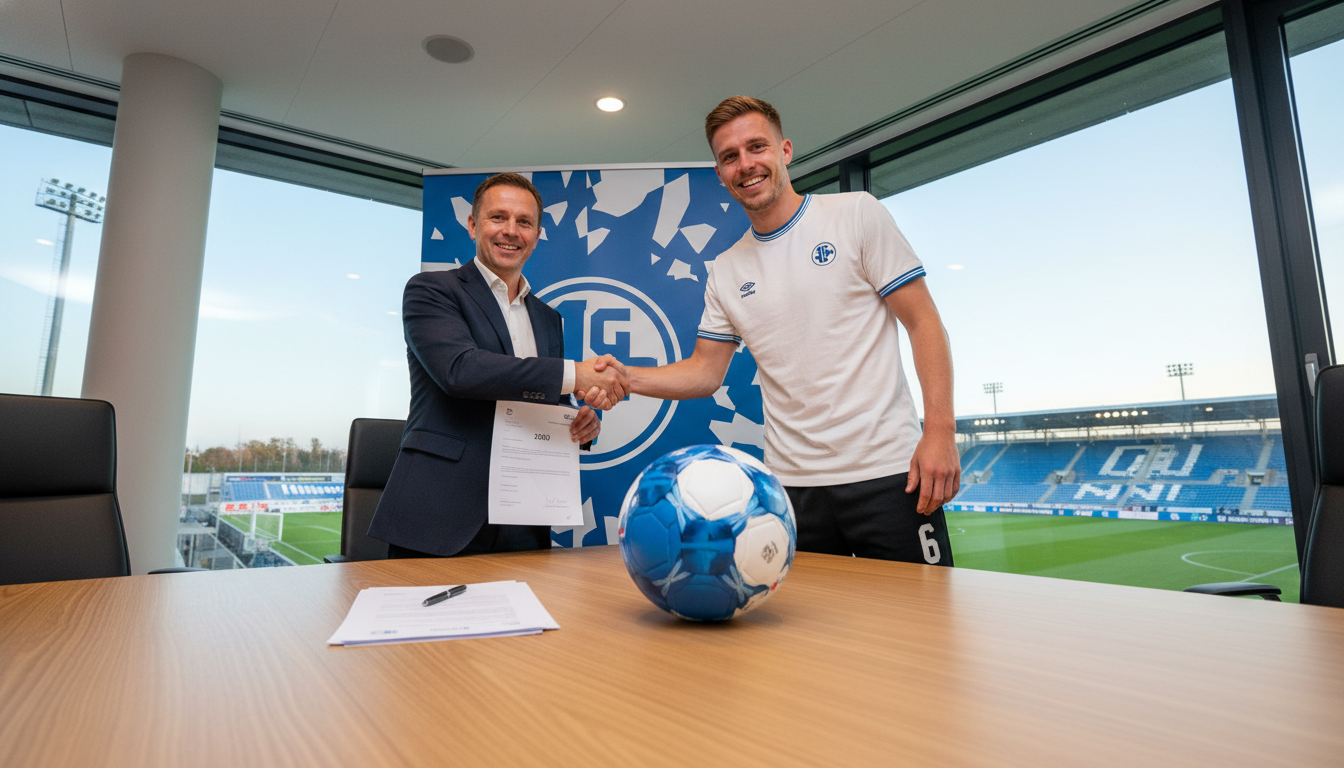
Jens Stage transfer: Hoffenheim agree personal terms with Werder Bremen midfielder
Hoffenheim have reportedly agreed personal terms with Jens Stage ahead of a potential transfer; the club has submitted an €11m plus bonuses bid as talks with Werder Bremen continue.


Jens Stage transfer confirmed as talks progress
Hoffenheim and Jens Stage have reportedly reached an agreement on personal terms for a contract running until 2030, according to German media reports.
The development, first reported on Wednesday, May 20, 2026, signals that the transfer is moving beyond initial enquiries and into the negotiation phase between clubs.
If completed, the move would see the 29-year-old Dane leave Werder Bremen after several seasons as a key first-team player.
Hoffenheim submit €11m plus bonuses bid
Hoffenheim have lodged an initial offer of €11 million plus performance-related bonuses for Stage, seeking to secure the midfielder ahead of the upcoming transfer window.
The structured offer reflects a common approach to deals for established Bundesliga players, combining a guaranteed fee with contingent payments linked to appearances, club performance and potential resale.
Sources indicate that Hoffenheim view the proposal as a starting point and are prepared to increase their bid if Werder hold firm on valuation.
Werder Bremen likely to demand higher fee for key player
Werder Bremen are expected to push for a higher transfer fee given Stage’s status at the club and his recent output.
Stage has been one of Werder’s most important players for several seasons, and his role as a regular starter and occasional goal threat strengthens Bremen’s negotiating position.
Club officials will weigh sporting considerations against the financial return, balancing the need to replace his contributions on the pitch with the chance to capitalize on market interest.
Stage’s 2025/26 campaign underlines his value
Jens Stage finished the 2025/26 Bundesliga season as Werder Bremen’s top scorer, netting 10 goals in 29 appearances, figures that underline his importance to the side.
Beyond his goals, Stage contributed with experience, defensive work in midfield and the versatility to operate in different central roles, providing tactical flexibility for his managers.
That combination of statistical output and positional adaptability has made him an attractive target for clubs seeking to strengthen midfield depth without sacrificing goal contribution.
Practical steps before a transfer can be completed
Even with personal terms agreed, a number of procedural steps remain before the transfer can be finalized between Hoffenheim and Werder.
Both clubs must reach a consensus on the size and structure of the transfer fee, and any agreement will likely be followed by a medical examination and the signing of documentation.
Timing, payment schedule and possible sell-on clauses or add-ons can all influence final consent, with each side aiming to protect short- and long-term interests.
Sporting and financial implications for Hoffenheim and Werder
For Hoffenheim, recruiting Stage would add a player with Bundesliga experience and proven goal threat from midfield, addressing immediate squad needs.
The club’s decision to pursue Stage reflects a strategy to blend established league performers with existing squad talent in order to compete domestically and, potentially, in cup competitions.
Conversely, Werder Bremen face the task of replacing a primary attacking outlet if the deal proceeds, while also benefiting from the financial boost a sale could bring to their summer transfer planning.
Contract length and wage terms agreed upon by the player suggest Hoffenheim see Stage as a multi-year contributor, and the deal structure will influence both clubs’ budgets.
If Werder succeeds in extracting a higher fee, they may reinvest in recruitment to shore up midfield options or address other squad needs exposed during the 2025/26 campaign.
Should negotiations stall, Hoffenheim may have to decide whether to increase their offer or pivot to alternative targets before the market becomes more competitive.
Market context and potential replacements
Stage’s profile—experienced, productive and still in his athletic prime—places him among a cohort of midfielders likely to attract interest across the Bundesliga.
Werder will therefore need contingency plans, including internal promotion or external signings, to ensure that the departure of a key player does not destabilize their squad balance.
Hoffenheim’s willingness to table structured bids indicates they may prefer pragmatic deals that manage upfront costs while retaining upside through bonuses.
Agents, player preference and the mid-season rhythm of clubs’ recruitment all play a role in how transfers of this type conclude.
Players who have agreed personal terms often expedite a transfer once clubs settle financial terms, but negotiations can still be prolonged if either side seeks additional protections or clauses.
Both Hoffenheim and Werder will be aware that public attention around Stage’s status increases leverage for the selling club, while motivating the buying club to finalize terms without overpaying.
Final steps and likely timeframe
Assuming negotiations progress without major setbacks, the remainder of the transaction would typically involve formalizing the fee, conducting a medical and announcing the signing before pre-season preparations intensify.
Given that personal terms are reported to be in place until 2030, Hoffenheim will likely prioritize concluding fee negotiations swiftly to integrate Stage into summer planning.
Should talks extend, both clubs still retain time to reach an acceptable compromise before squads largely reconvene for the new season.
The coming days will be crucial as both sides evaluate the offer and counteroffers, while the player’s readiness to move is already reflected in the reported contract agreement.
Supporters and club observers will closely track developments as the transfer window approaches, with any breakthrough expected to prompt immediate media and official confirmation.
Until an agreement appears on the table that satisfies Werder’s valuation and Hoffenheim’s budget, the move cannot be considered final.
Jens Stage’s potential switch to Hoffenheim represents a significant piece of business in the Bundesliga transfer market, and the outcome will shape both clubs’ midfield plans for the 2026/27 campaign.