Kike Barja: Osasuna must not finish season with five straight defeats, winger says after survival in Madrid
Kike Barja warned that Osasuna cannot close the season with five consecutive losses after an agonising survival at the Coliseum following a 1-0 defeat to Getafe, urging reflection and apologising to supporters.

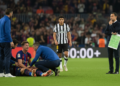
Osasuna achieved LaLiga survival despite falling 1-0 to Getafe at the Coliseum, but the manner of the finish has left players and staff frustrated. Kike Barja addressed the media after the match and made clear that the club’s run of form in the final weeks is unacceptable. He referenced the emotional toll on fans and the responsibility the squad feels for exposing supporters to late-season anxiety. His comments underlined a desire for internal review and a change in approach heading into the off-season.
Barja’s immediate assessment after the Coliseum defeat
Kike Barja described mixed feelings after the result in Madrid, acknowledging relief at remaining in the top flight while condemning the string of losses that preceded the final outcome. He said the group must confront the reality that five defeats in a row is not a way to conclude a campaign and that the team owes supporters an apology. Barja noted he felt the side showed glimpses of the level they want to play at, but lapses at critical moments undermined those efforts.
The winger singled out the defensive fragility that has plagued the closing fixtures, arguing that conceding at the wrong times turned promising performances into nervy evenings. He framed the experience as a learning opportunity, insisting the collective must respect the competition’s demands and avoid complacency. His tone combined personal regret with an insistence that the squad accept responsibility and use the episode to rebuild.
Five straight defeats and the narrow path to safety
Osasuna’s late-season slump — five consecutive defeats to end the campaign — forced a precarious finish despite ultimately securing survival. That run intensified scrutiny on the squad’s consistency and match management during decisive phases of the season. Barja suggested the sequence exposed problems that go beyond individual errors, pointing to preparation, concentration and the cumulative pressure of a long campaign.
The winger referenced historical thresholds that once made survival more predictable but conceded modern realities differ and require constant vigilance. He stressed there is no room for relaxation in LaLiga, where a brief downturn can carry heavy consequences. The club’s leadership and coaching staff now face the task of diagnosing why the form deteriorated when stability was most needed.
Supporters’ role and the Sadar atmosphere
Barja paid particular tribute to the supporters after the final weekend, highlighting the emotional support the team received at El Sadar. He recalled the presence of thousands of fans backing the squad and said it was especially painful to see them suffer through a run of defeats. That connection between players and supporters, he argued, is central to the club’s identity and increases the obligation to perform.
He also noted how the contrast between fan enthusiasm and on-pitch results magnified the disappointment in the dressing room. The forward urged the squad to repay that loyalty by committing to improvements in the coming months. The message was clear: the relationship with the fanbase will be a priority in summer discussions about squad planning and club direction.
Defensive issues and tactical takeaways
Barja identified defensive mistakes as a core reason for dropped points, stressing that the team must prioritize shutting out opponents moving forward. He emphasised that leaving the goal exposed at key moments turned otherwise even games into defeats and that keeping a clean sheet remains a fundamental objective. Tactical adjustments in training, he suggested, will be necessary to restore competitive resilience.
Beyond formations and assignments, Barja pointed to mentality and attention to detail as equally important areas for correction. The winger argued that concentration lapses late in matches and the inability to protect narrow leads are habits that can be remedied with focused work. He framed the off-season as a chance for targeted improvement rather than wholesale panic.
Contract talks deferred as survival took precedence
When asked about his future, Barja confirmed that renewal discussions have been temporarily shelved because staying in the top division became the immediate priority. He explained that contract negotiations were put on hold while the club focused on securing Premier status and resolving the season’s crisis. The player made clear that continuity in LaLiga was the overriding concern and that personal decisions would follow once the sporting situation stabilised.
Club sources echoed the notion that administrative matters would be addressed after a full sporting review, allowing the team to concentrate on performance issues first. Barja’s stance signalled a preference to prioritise collective stability over individual contract timing. That approach may shape the club’s summer calendar as Osasuna balances contractual work with squad reshaping.
Summer priorities and rebuilding for consistency
Looking ahead, Barja called for measured planning in the transfer market and an emphasis on reinforcing areas that undermined results in the run-in. He suggested the club should seek players who can contribute mentally as well as technically, helping to raise standards of consistency across 38 matches. The winger also highlighted the importance of depth, noting that fatigue and injuries play a role in end-of-season form.
Coaching staff will be expected to present a clear plan addressing tactical shortcomings and player development pathways. Barja urged the club to treat the recent difficulties as a warning about the margins in LaLiga and to craft a summer programme that bolsters reliability. That programme, he implied, should balance ambition with realism to avoid a repeat of the late-season slump.
Osasuna’s narrow escape in Madrid has closed one chapter and opened many questions about how the club will respond.
The immediate task is straightforward: conduct a calm, comprehensive review and translate lessons into decisive action so that both players and supporters can approach the next season with renewed confidence.